An outreach session of the Verkhovna Rada’s Temporary Investigative Commission (TIC) on crimes against journalists and other employees of media entities committed by Russian armed groups took place in Kharkiv on 16 October, reports Yulia Napolska, the Institute of Mass Information’s representative in Kharkiv oblast who joined the session.
The discussion focused on Russia’s crimes against reporters and media infrastructure in Kharkiv oblast, investigating those crimes, and prosecuting the perpetrators, with particular attention paid to the working conditions of newsrooms based close to the frontline, such as the safety of journalists, newsrooms’ access to reliable electricity supply, staffing problems, insurance, and mental health support.
READ MORE
- Verkhovna Rada delegation visits IMI’s Mediabaza Kharkiv
- Russia commits 977 crimes against media and journalists in Ukraine since 24 Feb 2022
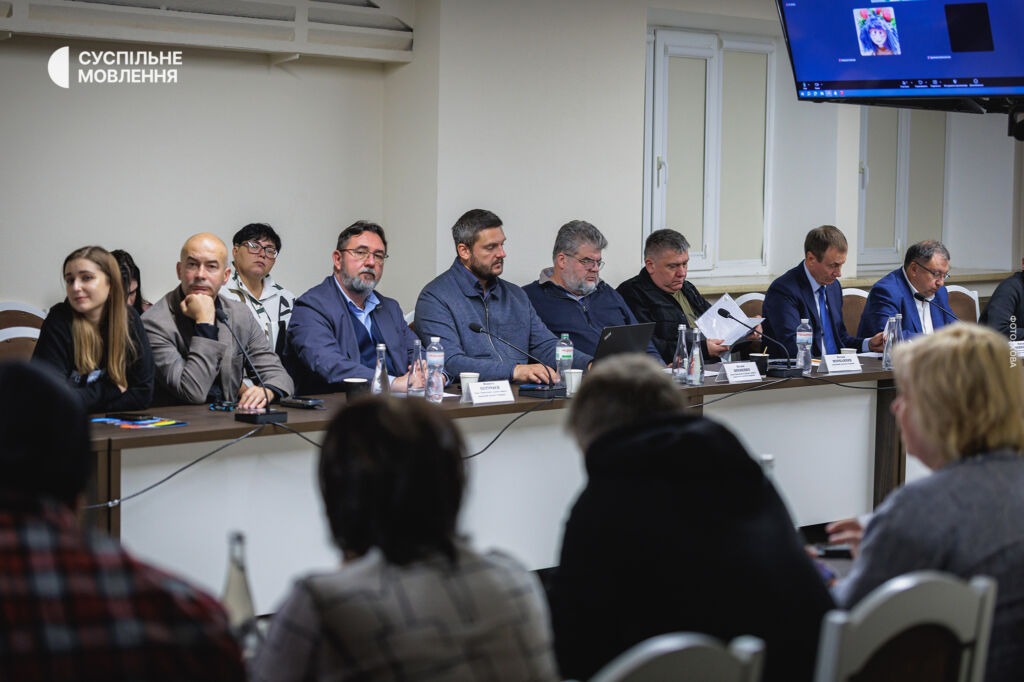
Representatives of regional media shared their own experiences working in wartime and offered practical tips.
The session also covered Suspilne’s work in Kharkiv, the safety of its staff, and the resilience of the broadcaster’s regional network.
TIC Chair Yevhenia Kravchuk, who is also the Deputy Chair of the Verkhovna Rada Committee on Humanitarian and Information Policy, remarked on the difficult working conditions and psychological fatigue Ukrainian journalists have faced during the war. She added that one could find every type of crime that Russia has committed against journalists in Kharkiv oblast.
“A total of 977 war crimes have been committed against media workers since 2022, and not just Ukrainian ones. The Russians don’t check passports. And we can see that these crimes are not only about physical destruction,” Kravchuk remarked. She added that reporting as a profession has changed since the start of the full-scale invasion: Ukrainian journalists work in critical conditions and are already mentally exhausted.
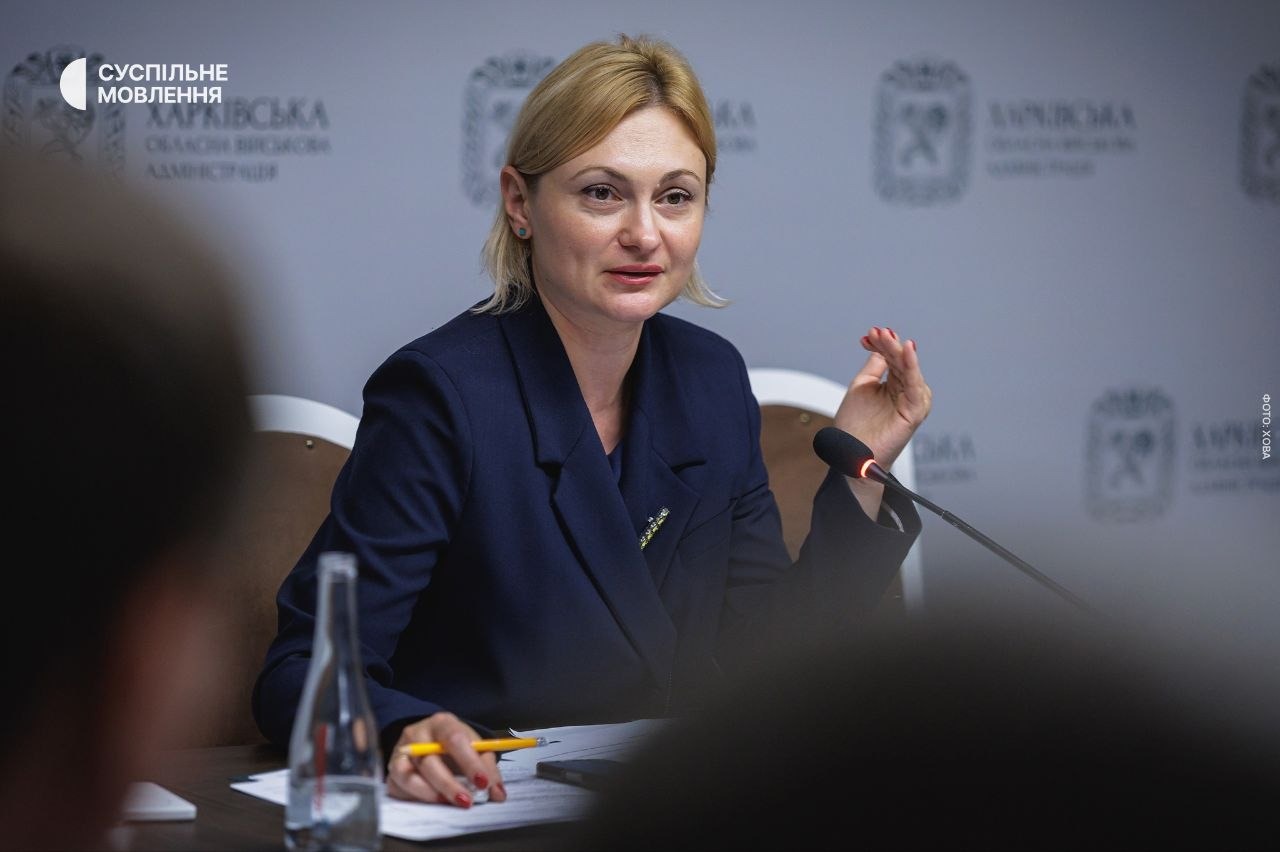
“We understand that the profession of reporter has fundamentally changed between what it used to be before the Russo–Ukrainian war and what it is now, even in frontline-adjacent areas that are not quite on the line of combat. Ukrainian journalists work constantly in very critical conditions, and psychological exhaustion has already settled in,” the TIC Chair said.
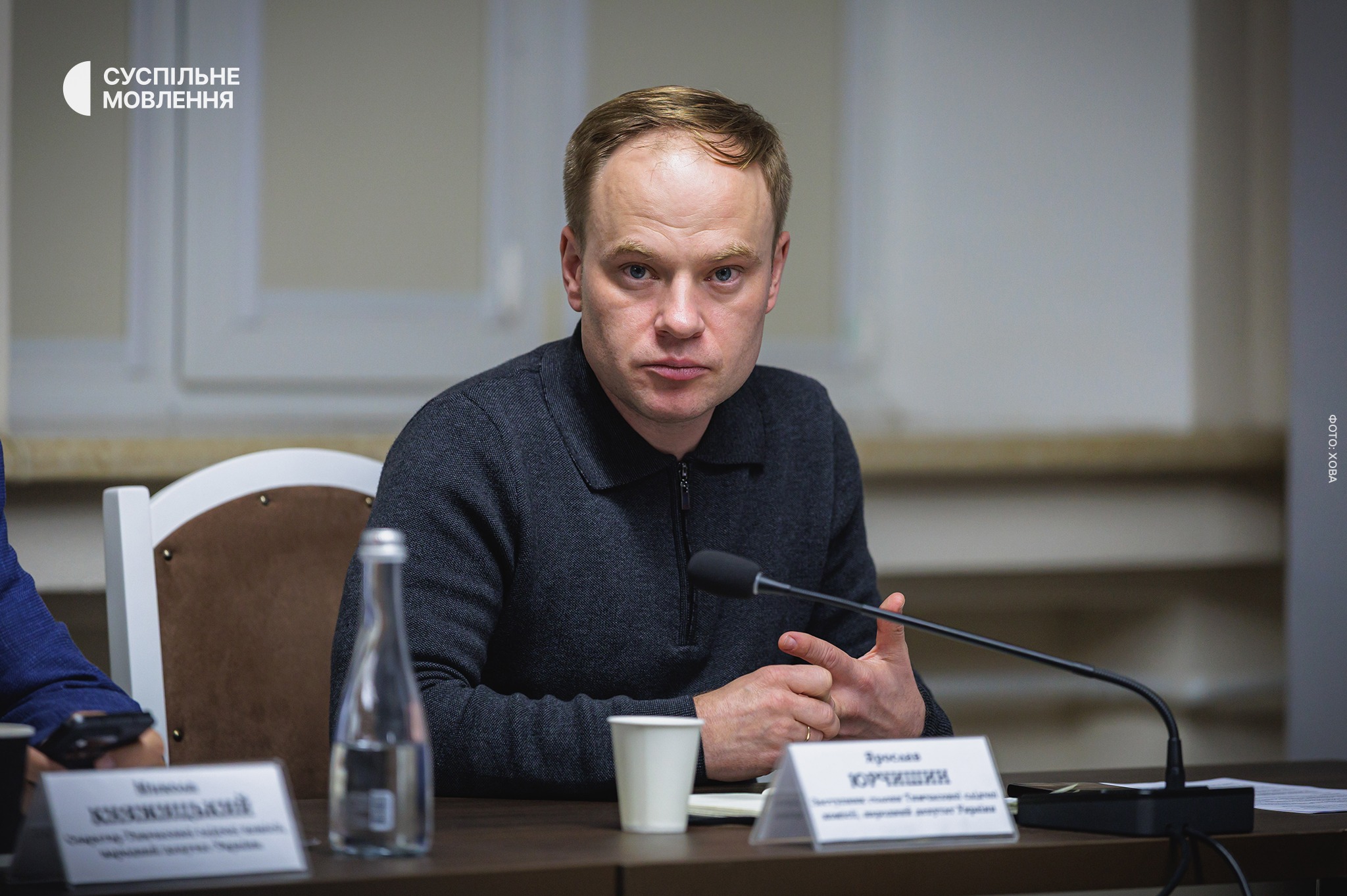
Yaroslav Yurchyshyn, Chair of the Verkhovna Rada Committee on Freedom of Speech, stressed that journalists’ work is important for combating Russian propaganda.
“Many thanks to all those working on the battlefield and keeping frontline communities informed. Because if our media aren’t there, Russian propaganda will certainly move in to do the job,” Yurchyshyn said.
The Institute of Mass Information’s Yulia Napolska remarked that state policy lacked consistent and comprehensive programmes to support journalists.
“Energy efficiency has become a pressing issue for us not only because of the current power outages. Back in 2022, people were living in our Nakypilo office. That was when we realised the building had to be adapted to serve a space where people could both work and live even without access to basic utilities. All our subsequent decisions were based on that experience,” Napolska said.
She stressed that energy efficiency was not limited to buying a few EcoFlow power station. It is, first and foremost, a matter of building infrastructure that would enable reporters to work even when there is no electricity, heating, or water supply.
Napolska said that this was a comprehensive approach that involved understanding how a newsroom would work without light, how it would provide heating, keep a water reserve, maintain communications, and store data. At the same time, one should account for equipment breaking and requiring repair.
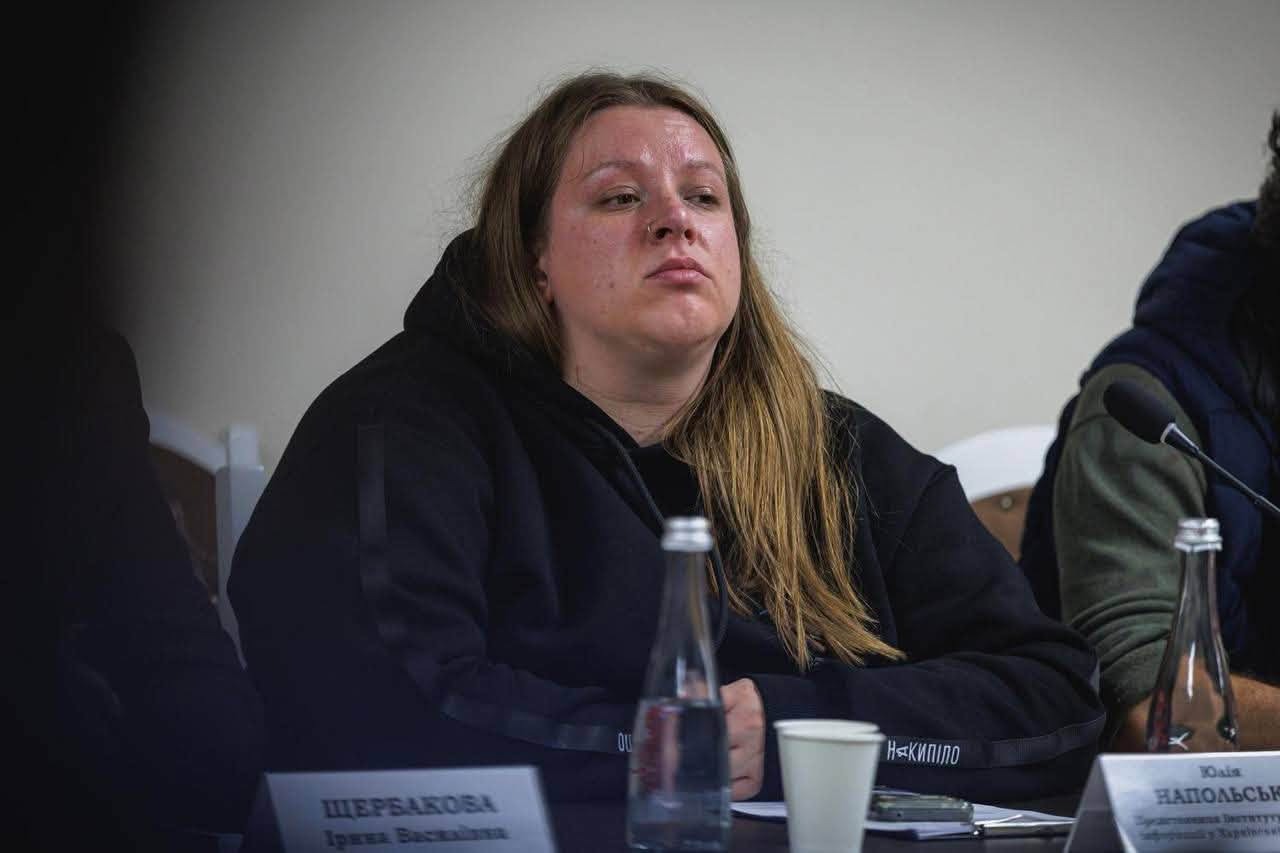
“It is not enough to buy equipment once. If there is no money for its maintenance and repair, in a year or two we could find ourselves without the necessary resources again. That is why support must not only cover the procurement of equipment, but also include funding for its subsequent operation and repair,” she concluded.
Suspilne Kharkiv chief editor Viacheslav Mavrychev said that the reporters at the public broadcaster’s branch had changed their protocols and stepped up staff training because of the threat of FPV drones, including fibre-optic ones, which has spread beyond frontline areas to Kharkiv city and its suburbs.
He said that the newsroom had prepared for the threat spreading in advance, drawing on the experience of Kherson and other frontline areas.
Mavrychev said that all on-the-ground correspondents, camerapeople, and drivers had completed enhanced first aid classes and that most of his team had taken training to rehearse the steps they had to take during an FPV drone strike. In particular, journalists trained to find shelter quickly, evade drones, and carry out safety manoeuvres.

He added that the newsroom was working on introducing the post of safety officer in every on-the-ground crew. This person will be responsible for assessing threats and for reporters’ safety as they carry out their editorial assignments. This is important because media workers cannot always monitor the situation in the sky themselves while filming, and conditions on the ground can change quickly, Mavrychev added.
The session also featured Oleh Syniehubov, Chair of Kharkiv Oblast Military Administration, and representatives of the Kharkiv Oblast National Police HQ, the Kharkiv Oblast Prosecutor’s Office, and the Kharkiv Oblast HQ of the Security Service.
Previously
A delegation from the Verkhovna Rada visited the Institute of Mass Information’s regional hub Mediabaza Kharkiv on 16 October to learn about its work and the support it offers journalists in wartime. The visit took place as part of an outreach session of the Verkhovna Rada’s Temporary Investigative Commission on Russian Crimes against the Media, reports Yulia Napolska, IMI’s representative in Kharkiv oblast.
During the Commission session, Suspilne Kharkiv chief editor Viacheslav Mavrychev said that Russian FPV drones had become a major threat to journalists in Kharkiv oblast, and the danger zone had spread beyond frontline areas to the entire city.