Russian FPV drones have become a major threat to journalists in Kharkiv oblast, and the danger zone has spread beyond frontline areas to the entire city, said Viacheslav Mavrychev, chief editor of Suspilne’s eastern hub and Suspilne Kharkiv, during a session of the Verkhovna Rada’s Temporary Investigative Commission on Russian Crimes against the Media in Kharkiv on 16 October, Suspilne reports.
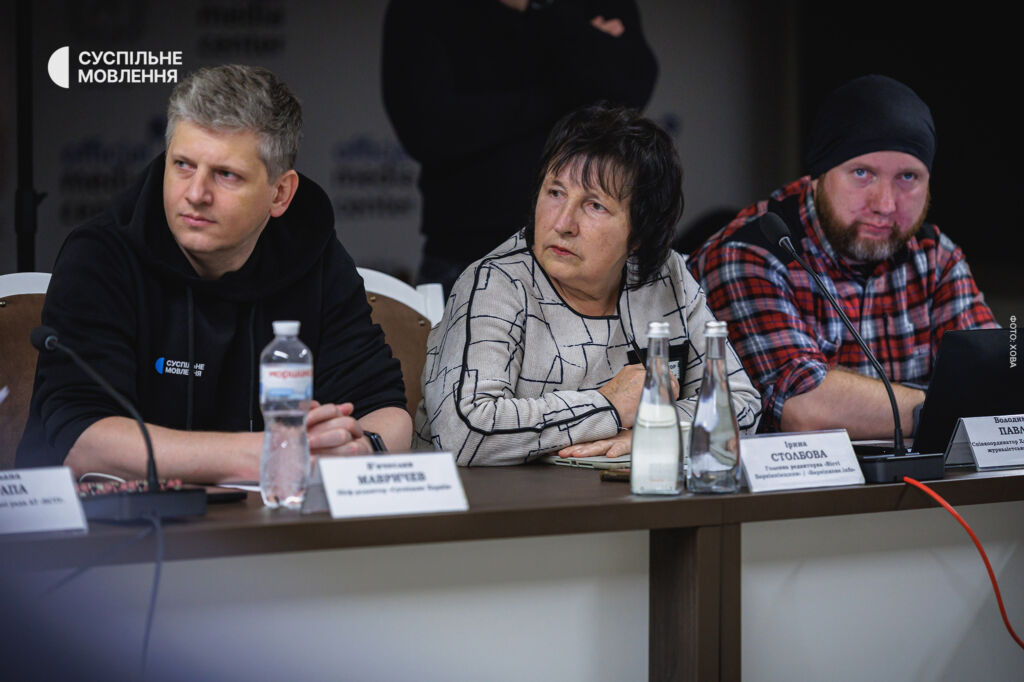
Mavrychev said that his team had anticipated these developments by analysing Kherson’s experience, so they had started preparing in advance.
Over the past six months, all on-the-ground correspondents, camerapeople, and drivers have completed enhanced tactical medicine training, and most of the team has mastered procedures for working under the threat of FPV drone strikes.
READ MORE:
- Russian drones are turning central Kramatorsk, Slovyansk into kill zones, says journalist
- Newspaper office damaged in Russian strike on Izium
The chief editor stressed the danger posed by civilians or bloggers posting photos and footage from strike sites on social media immediately after the strikes. This exposes locations where reporters and emergency services are still working, and creates a risk of double-tap strikes.
“We don’t feel safe, and neither do emergency service workers, because those who share, post, and expose the strike locations while emergency services and lots of people are still there don’t get punished,” Viacheslav Mavrychev said.
A delegation from the Verkhovna Rada visited the Institute of Mass Information’s regional hub Mediabaza Kharkiv on 16 October to learn about its work and the support it offers journalists in wartime. The visit took place as part of an outreach session of the Verkhovna Rada’s Temporary Investigative Commission on Russian Crimes against the Media, reports Yulia Napolska, IMI’s representative in Kharkiv oblast.