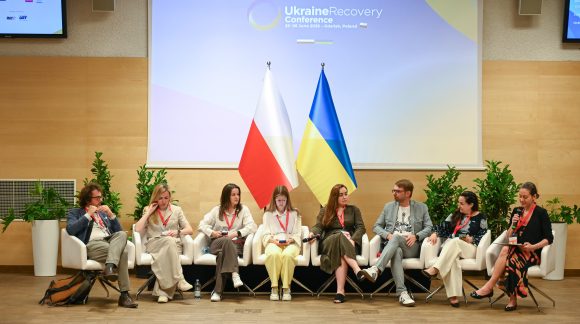

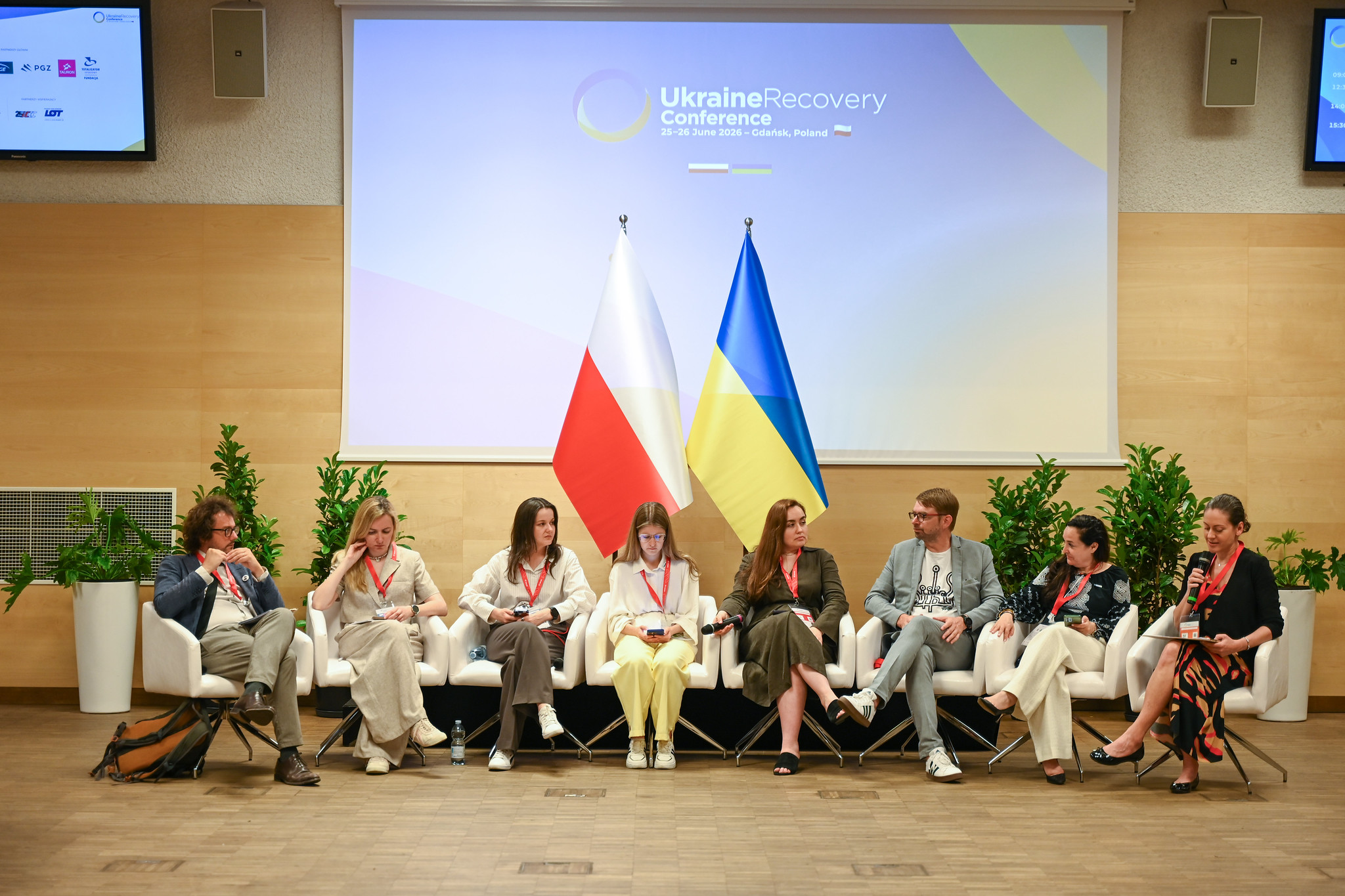
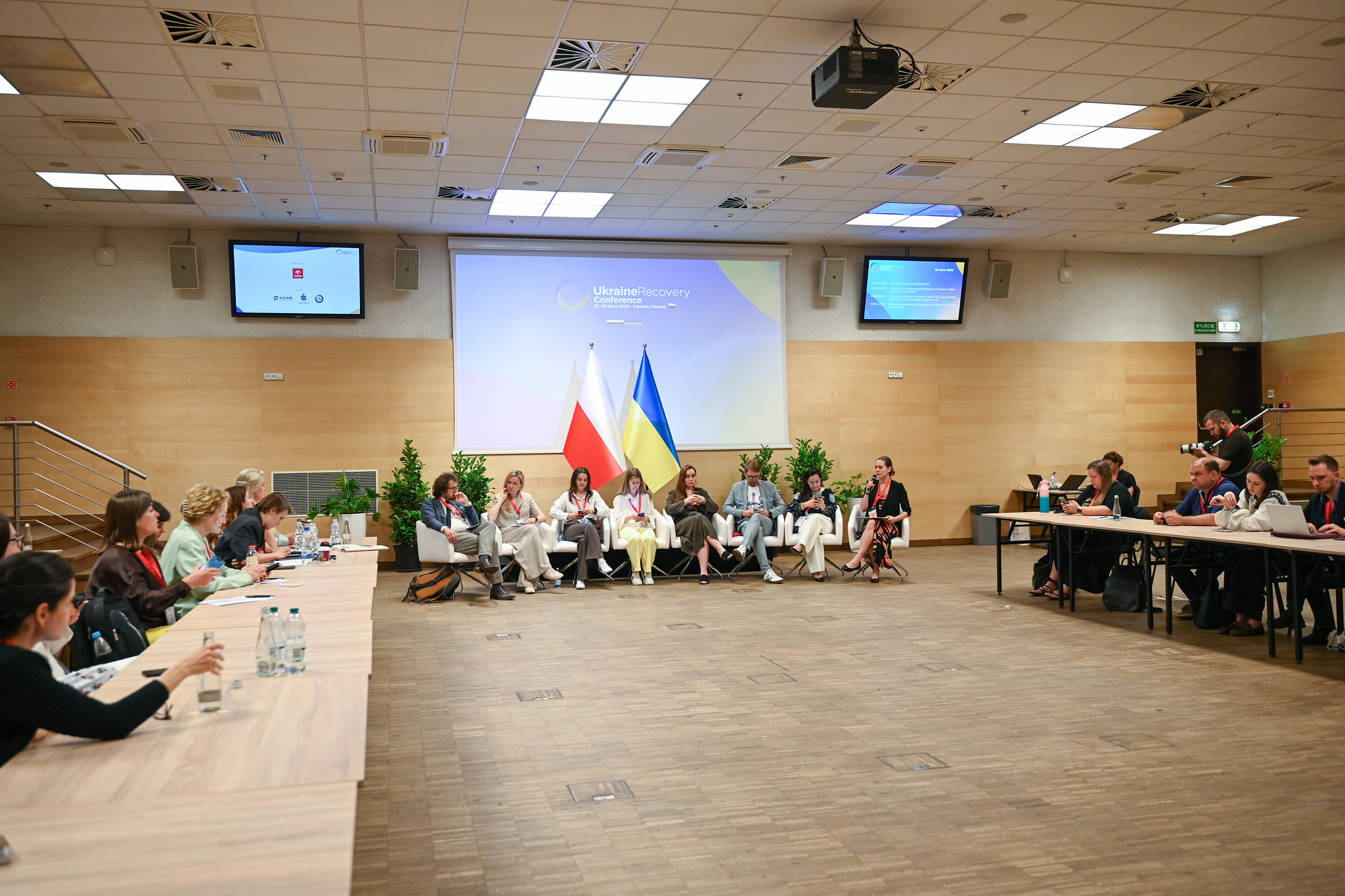
This year’s Ukraine Recovery Conference was the first one to feature media on the agenda, with the panel discussion “Recovery at Risk: Protecting Trust, Media, and Transparency from Russia’s Cognitive War” taking place at the main stage in Gdańsk, Poland. The discussion, however, did not include media professionals, who instead talked about the role of journalism in recovery at the round table discussion “Recovery with Trust. Media, Accountability, and Ukraine’s European Recovery”.
Media are a guarantor of trust in the recovery process
Ukraine’s recovery is not just about the bricks, but about people, values, the media’s voice, and access to information, said Natalia Movshovych, Ukraine’s Deputy Minister of Culture for European Integration.
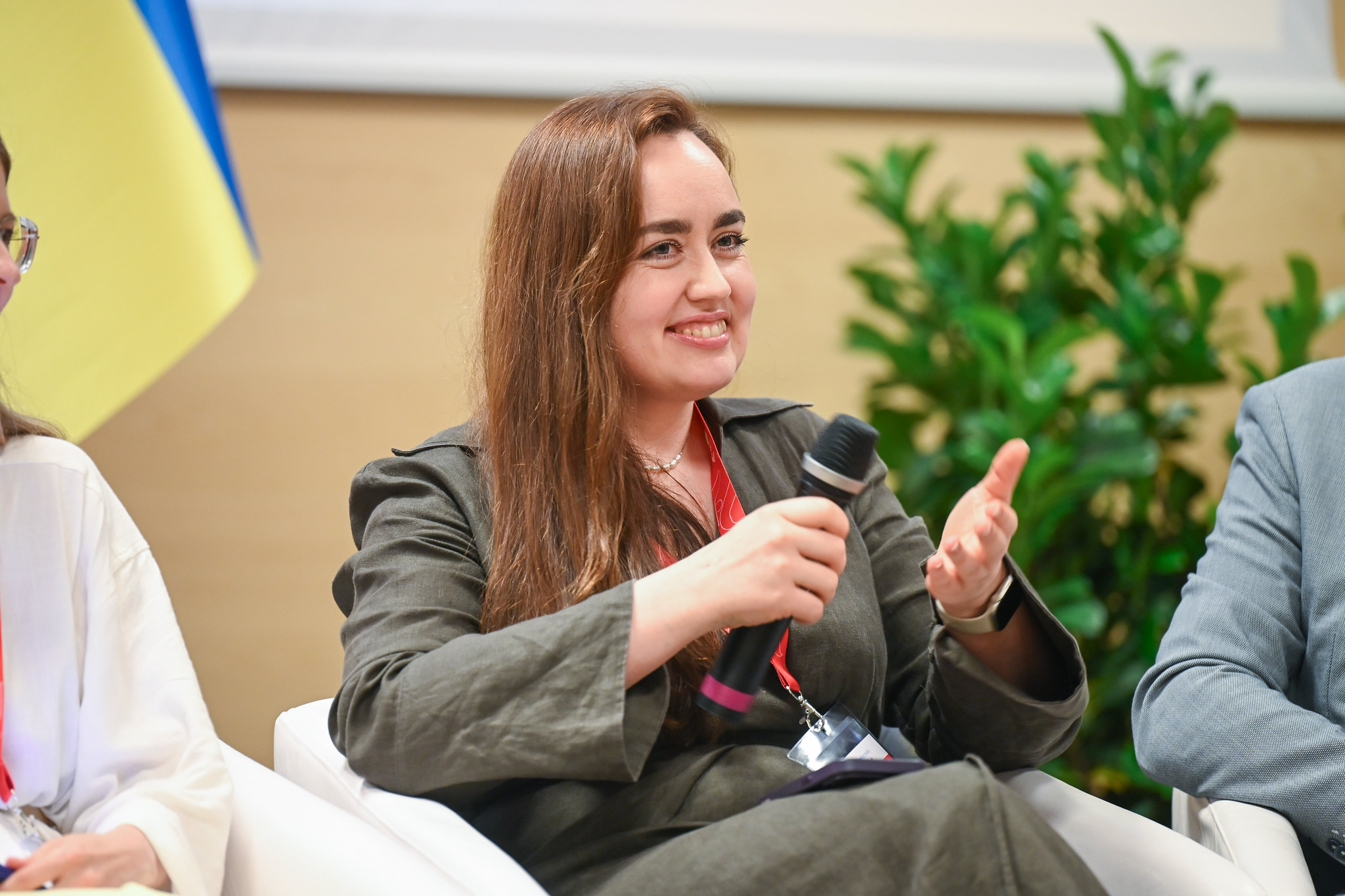
“Buildings also matter, especially cultural heritage, as it represents our memory. But if there are no people, if we cannot tell our narrative to the world, and if even inside Ukraine we are unable to access information, then it does not mean as much, because people need to function in a society where trust — especially in the context of upcoming post-war elections — is essential for ensuring a transparent process. And the media serves as an oversight body that can guarantee that procedures are being followed and that we all see how the process unfolds without manipulations or misinformation,” said Natalia Movshovych.
1% of recovery budget should be allocated for media
A survey by the Institute of Mass Information showed that only 10% of media outlets described their 2025 situation as stable, while most reported changes for the worse and around 6% of publications closed down. 67% of news outlets listed grants as their primary source of income, suggesting that the sector’s foundation is external funding, which is inconsistent and often short-term. Half of journalists reported constant exhaustion. However, 61% said they did not despair and were adapting.
“It is precisely these people and these newsrooms — financially vulnerable, exhausted — that form the infrastructure layer meant to oversee the largest reconstruction in Europe’s history. They are already doing this work. The question is whether we are ready to give them the protection they need to withstand it,” said Hanna Chabarai, chief of communications and deputy director at the Institute of Mass Information.
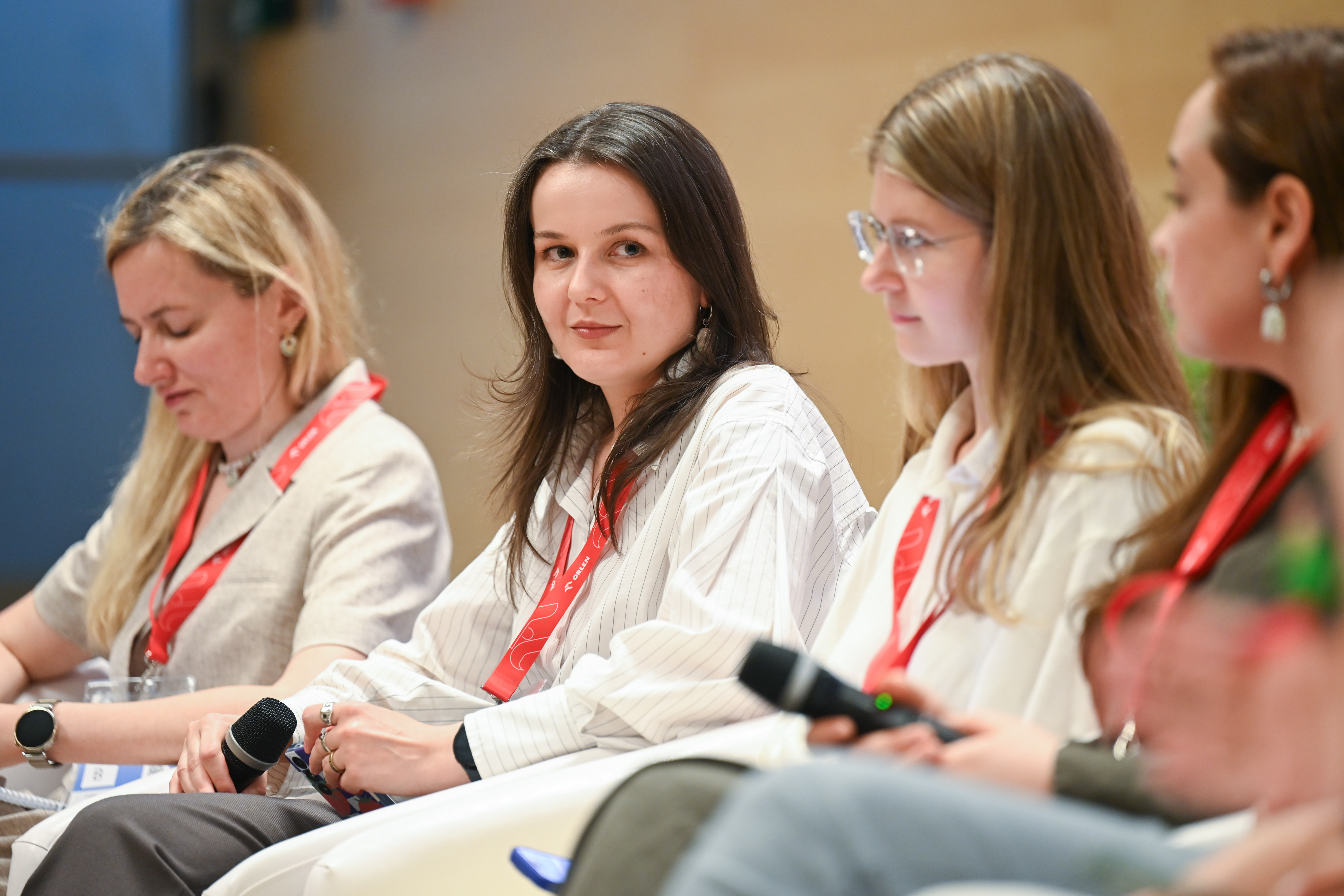
She stressed that Ukraine’s government should make recovery data freely available and guarantee unobstructed access to information.
“We propose launching a regular, structured dialogue involving media organisations, donors and EU institutions. A further task will be to create a transparent and independent media-funding mechanism, modelled on similar mechanisms that exist in the EU,” she added.
IMI also proposes to set aside at least 1% of every sum funding Ukraine’s recovery for the media sector that will carry out independent oversight.
Recovery Window director Anastasia Rudenko supported allocating 1% of the recovery budget for local media carrying out independent oversight over the process.
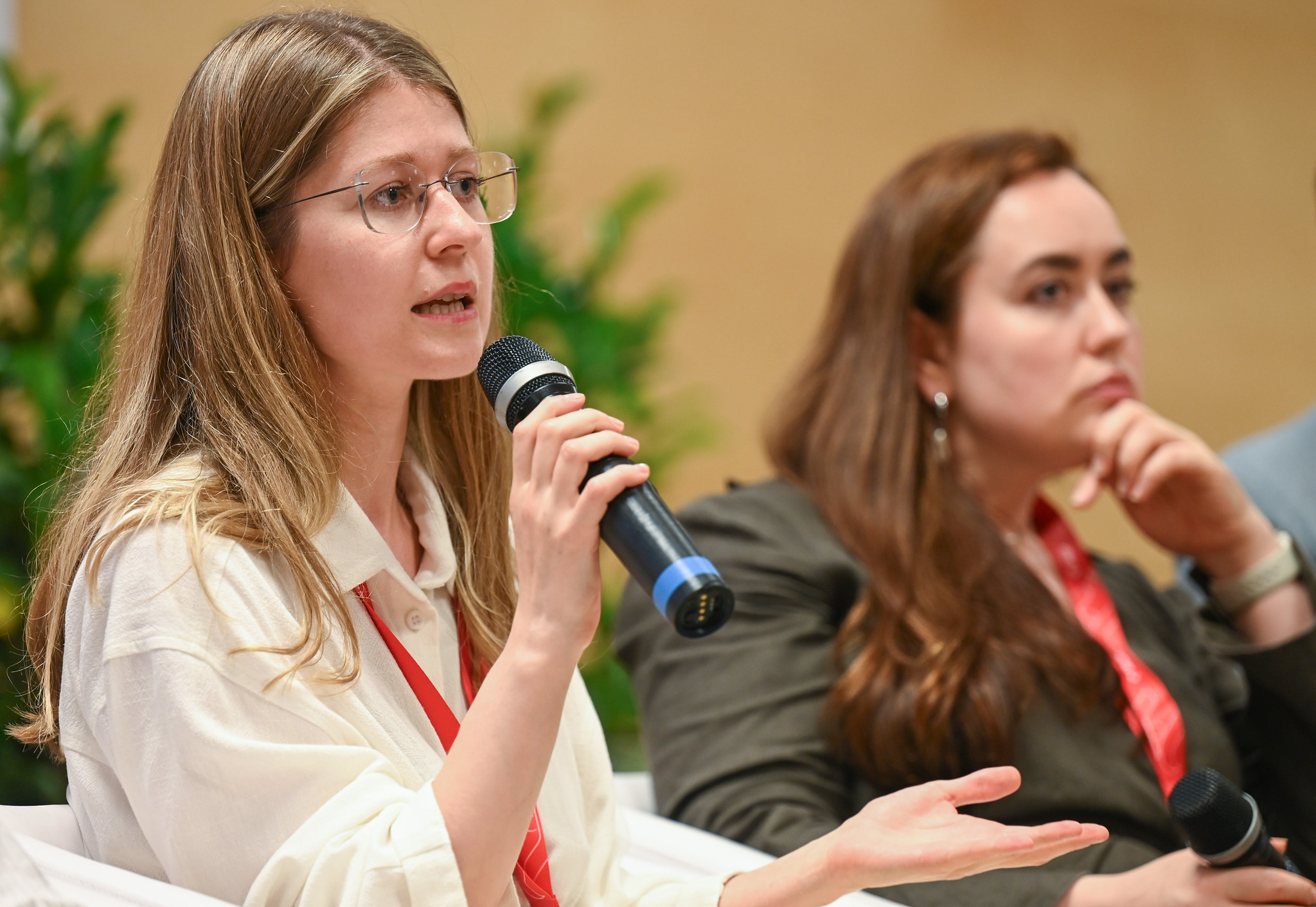
“Independent newsrooms in Ukraine are innovative, impact oriented, they’re ready to learn from each other. But the biggest vulnerability is financial vulnerability. And our newsrooms are operating in a highly difficult economic environment with limited advertising opportunities, limited reader revenue and limited grant opportunities,” Anastasia Rudenko explained.
She pointed out another issue: fewer and fewer donors are willing to fund battlefield reporting.
“And yet these journalists are often the ones who maintain this informational presence in
frontline and near frontline communities. And if these communities disappear from information space, the residents may feel forgotten and abandoned. And this is exactly the environment when Russian propaganda works most effectively. That is why it’s so important to support the infrastructure of the media on the ground,” Rudenko added.
The media are often expected to cover the recovery despite the media being a part of this process, stressed DII Ukraine director Liubov Rakovytsia.
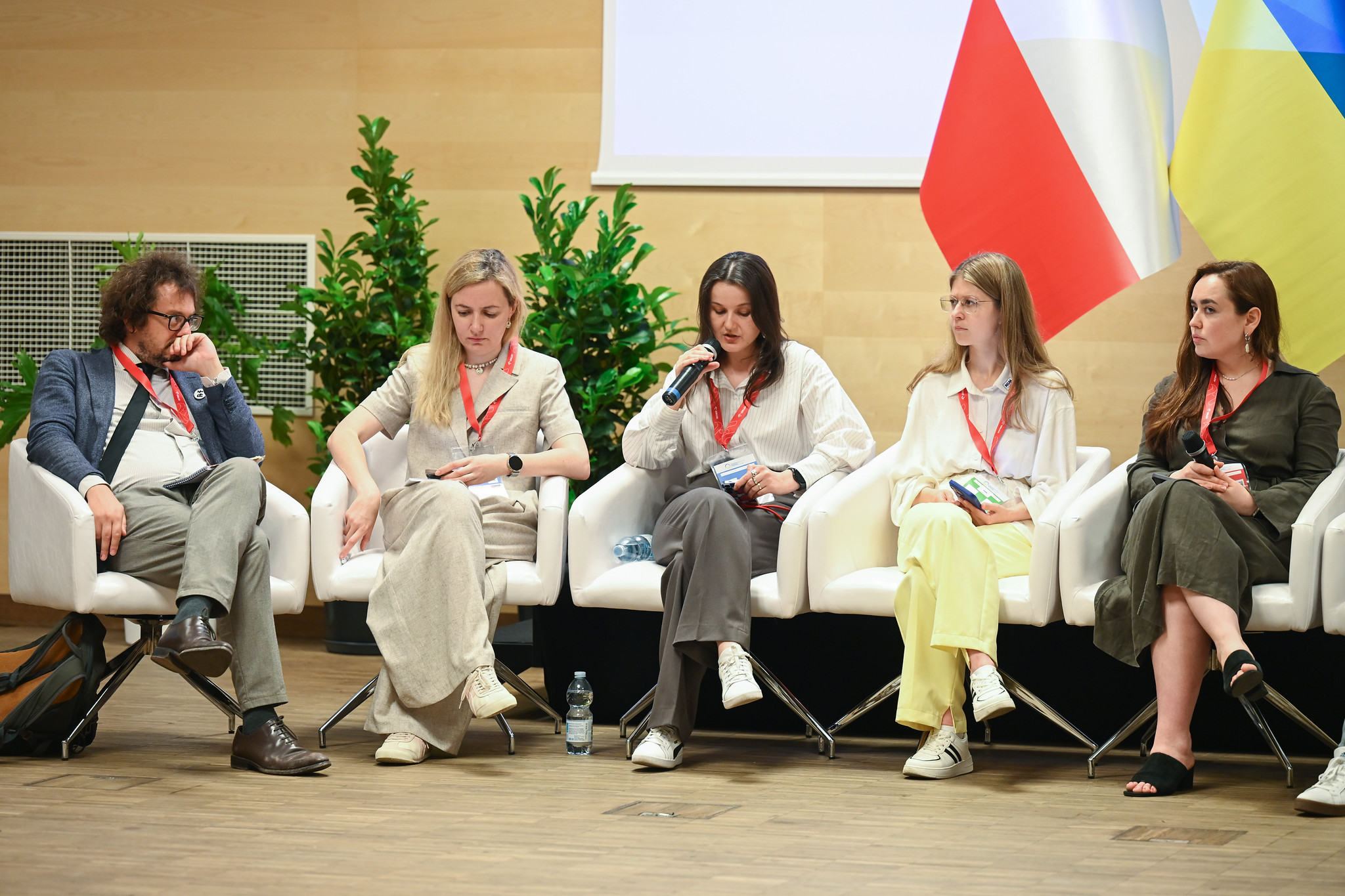
“You know, very often we are asked to cover recovery, but we are also part of. We are also part of what we need to recover. You know, very often Ukrainian media are very expected to explain reconstruction, to watchdog, to monitor different bribes or support fight disinformation or support communities or keep trust alive. But many of this media, many of us, and I also represent one of the regional media, yes, we are exhausted, we are displaced, we are underarmed. Many of us are working very close to the front line in Ukraine. The whole Ukraine is the front line now. And, as you know, the media is not just outside the recovery process. Media is a part of recovery infrastructure. And I think that Ukrainian media should be supported,” Rakovytsia said.
Chiara Dezzi Bardeschi, Head of UNESCO Representation in Ukraine, emphasised that Ukraine has long been assessing the losses suffered by the media sector.
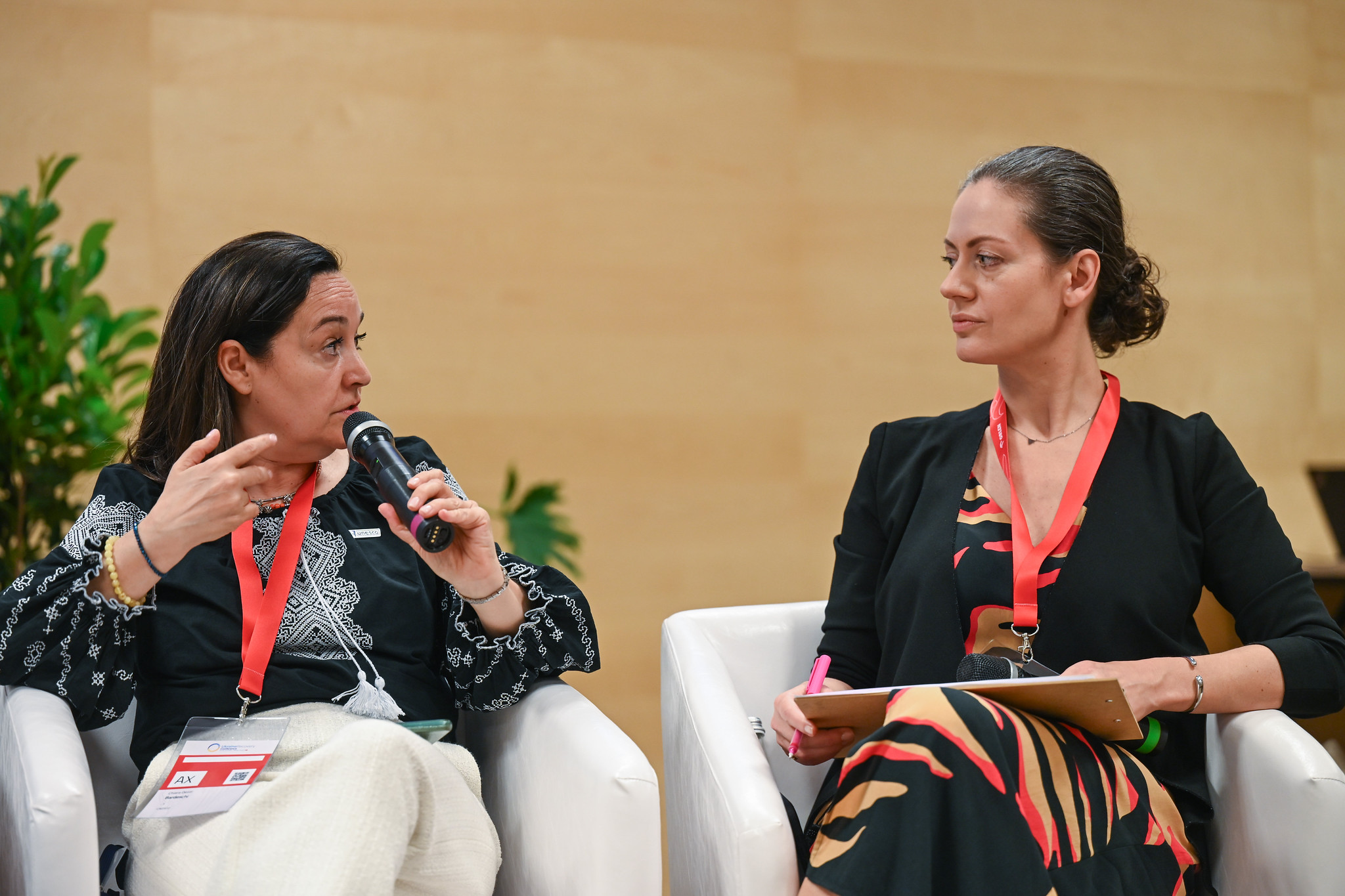
“Ukraine has gone through five cycles of rapid damage and need assessment and is the first country in the world going through this process that has also achieved the introduction of a chapter and a sub chapter on media. And this, again, is not only about infrastructure, but also the people, journalists, and how to rebuild. In this long-term perspective this definitely is showing what we are all here preaching that actually recovery is not just bricks and mortar, but infrastructures. But it’s also people, it’s freedom of expression, it’s safety of information and the flow of information,” the UNESCO representative said.
Journalism is crucial to Ukraine’s national narrative and victory, stressed Thibaut Bruttin, Director General at Reporters Without Borders (RSF).
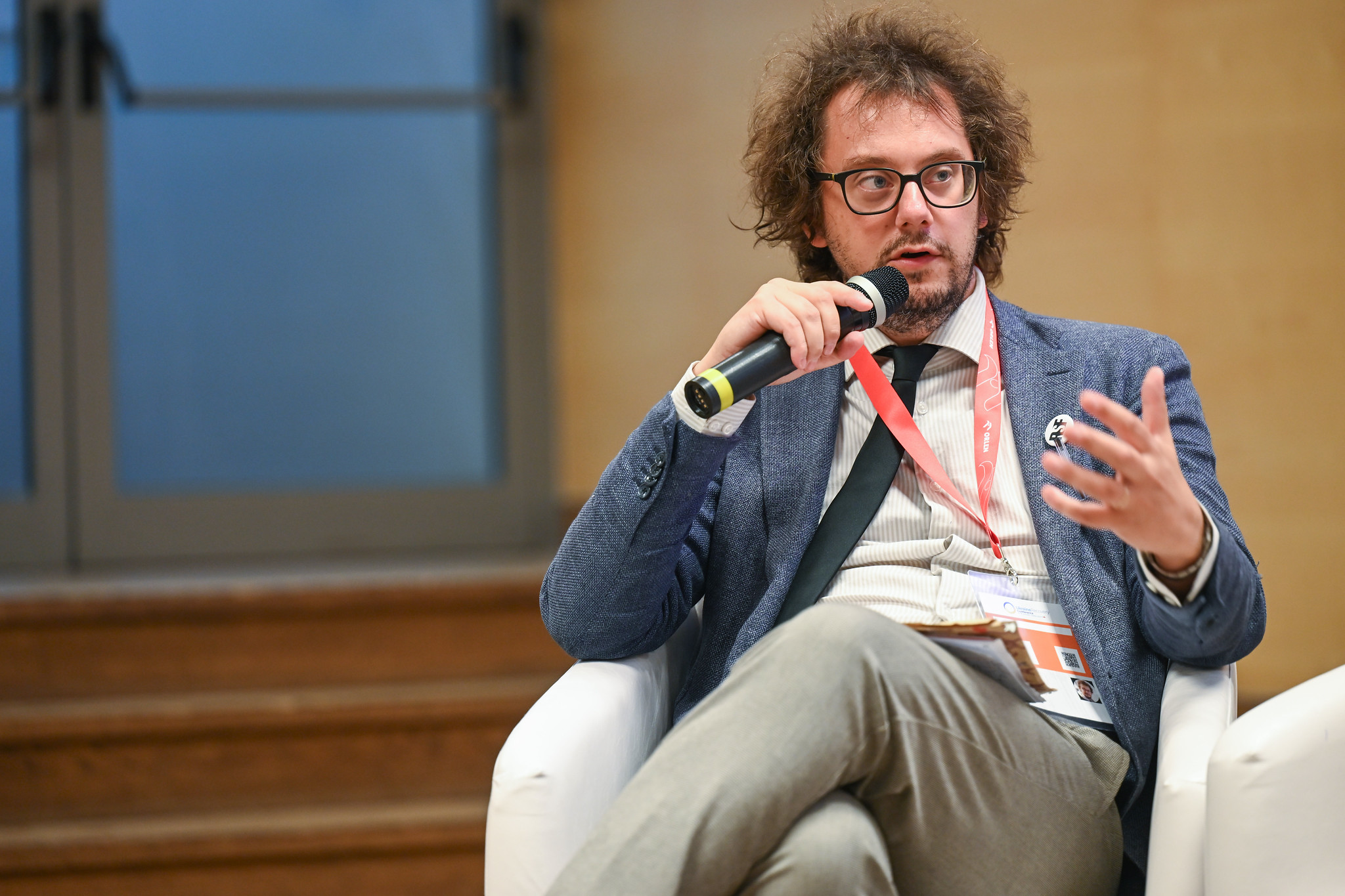
“It [journalism] is also something that is important for the vibrant democracy of Ukraine. And it’s also paramount in terms of information integrity and safety, because we know that there are significant investments made by the Federation of Russia to disrupt what’s going on in Ukraine, but also across Europe and more generally around the world,” he said.
Bruttin added that ensuring the sector’s resilience and reform requires a sustained financial commitment from the international community and the Ukrainian authorities. The International Fund for the Reconstruction of Ukrainian Media (IFRUM) serves both as a tool to address this need and as a joint advocacy platform enabling us to speak with one voice, as demonstrated in Gdańsk, Bruttin explained.
Estonia’s experience: free media and economic growth
Estonia traditionally ranks high in terms of press freedom. Taavi Linnamäe, communications and marketing director for URC 2027, which is set to take place in Tallinn in January, said this was facilitated by two decisions made after the restoration of Estonia’s independence: privatisation open to international investors and respect for media freedom.
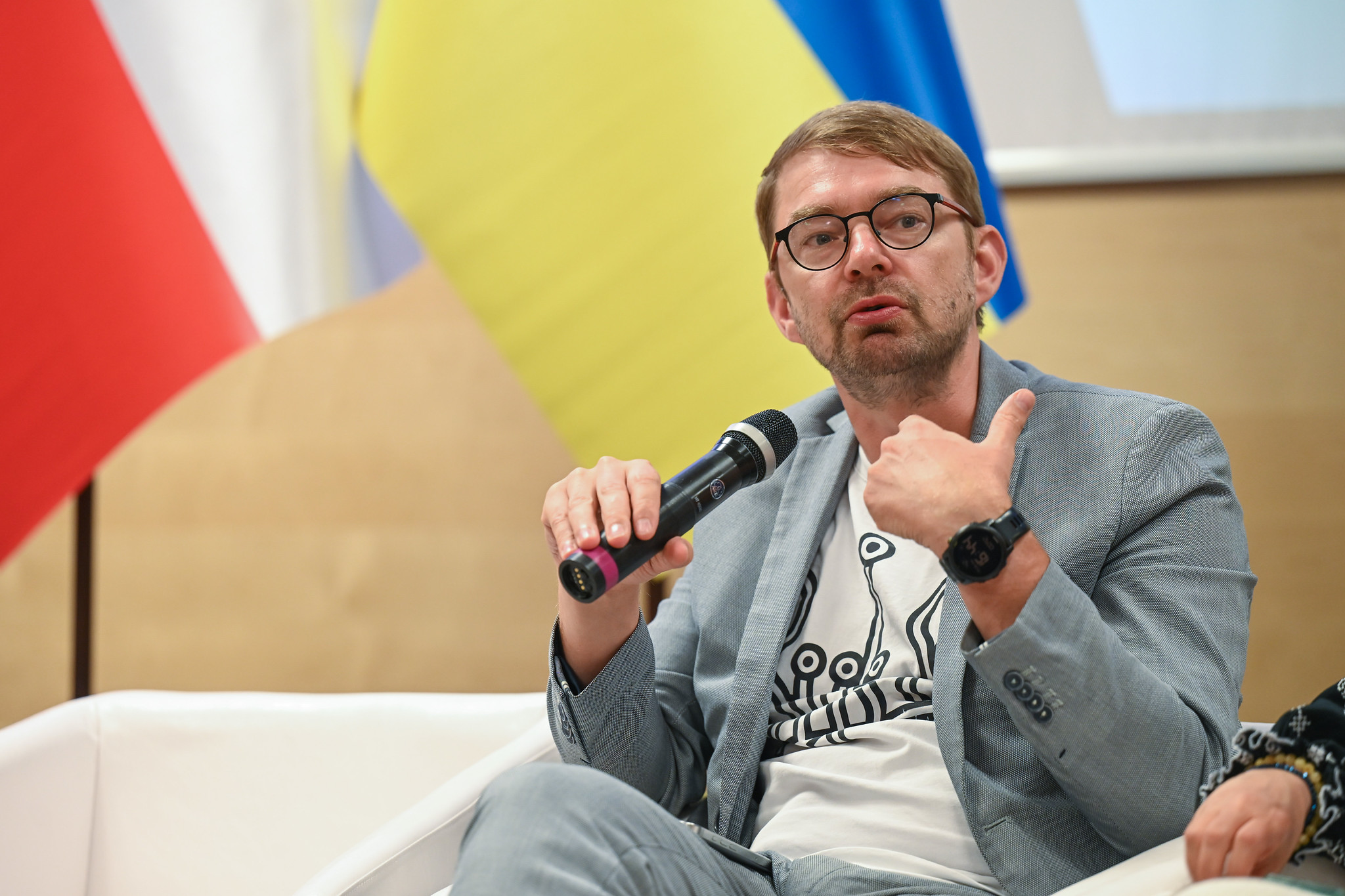
“We had always had several media houses within quite a strong rivalry, but still all were free and strong. And that has helped to turn into the corners of the society, which perhaps wouldn’t be another way. So those two things, I think, have shaped how Estonia has developed in 35 years, and which has led us to the very most free medium, but also to most open economic environment, for example, and many, many other things. So I think the role of the free media in our story cannot be overestimated. It has been vital,” Linnamäe stressed.
On 24 June, the Institute of Mass Information supported the Gdańsk Common Message, a consolidated stance by civil society regarding Ukraine’s recovery, addressing the Ukrainian government, international partners, and all parties involved in recovery efforts. The document contains recommendations for the Ukraine Donor Platform and allows one to track if obligations are translated into concrete action.
Ukraine Recovery Conference (URC) 2026 took place in Gdańsk, Poland, on 25–26 June. It unites government officials, international organisations, financial institutions, businesses, and civil society around coordinating international support for Ukraine’s recovery, attracting investments, and discussing key vectors of post-war recovery and development in the country.
Russia targeting the media in Ukraine
According to the Institute of Mass Information, Russia has committed at least 950 crimes against journalists and the media in Ukraine since the start of the full-scale invasion.
- At least 131 media professionals have been killed by Russian forces since 2022, with 15 dying while reporting and 14 as civilian casualties.
- At least 337 media outlets have gone out of business or had to pause operations due to Russia’s aggression or its consequences.
- Russia has attacked Ukrainian media offices at least 85 times, some repeatedly. No fewer than 78 news outlets have been affected by the attacks.
- At least 26 Ukrainian media workers remain unlawfully imprisoned by Russia; some have been jailed for 10 years.
The Institute of Mass Information (IMI) is a civil society organization specializing in the media, operating since 1996. IMI defends the rights of journalists, studies the media landscape and reports on media-related events, fights propaganda and disinformation, and provides media workers with safety equipment for trips to combat areas (since the start of the Russo–Ukrainian war in 2014).
IMI carries out the only monitoring study of freedom of speech in Ukraine, keeps a list of transparent and responsible online media outlets, and tracks Russia’s media crimes in the war on Ukraine. IMI has representatives in 20 oblasts of Ukraine and runs a network of Media Hubs that provide journalists with unfailing support. IMI’s partners include Reporters Without Borders (RSF); the organization is also a member of the International Freedom of Expression Exchange (IFEX).