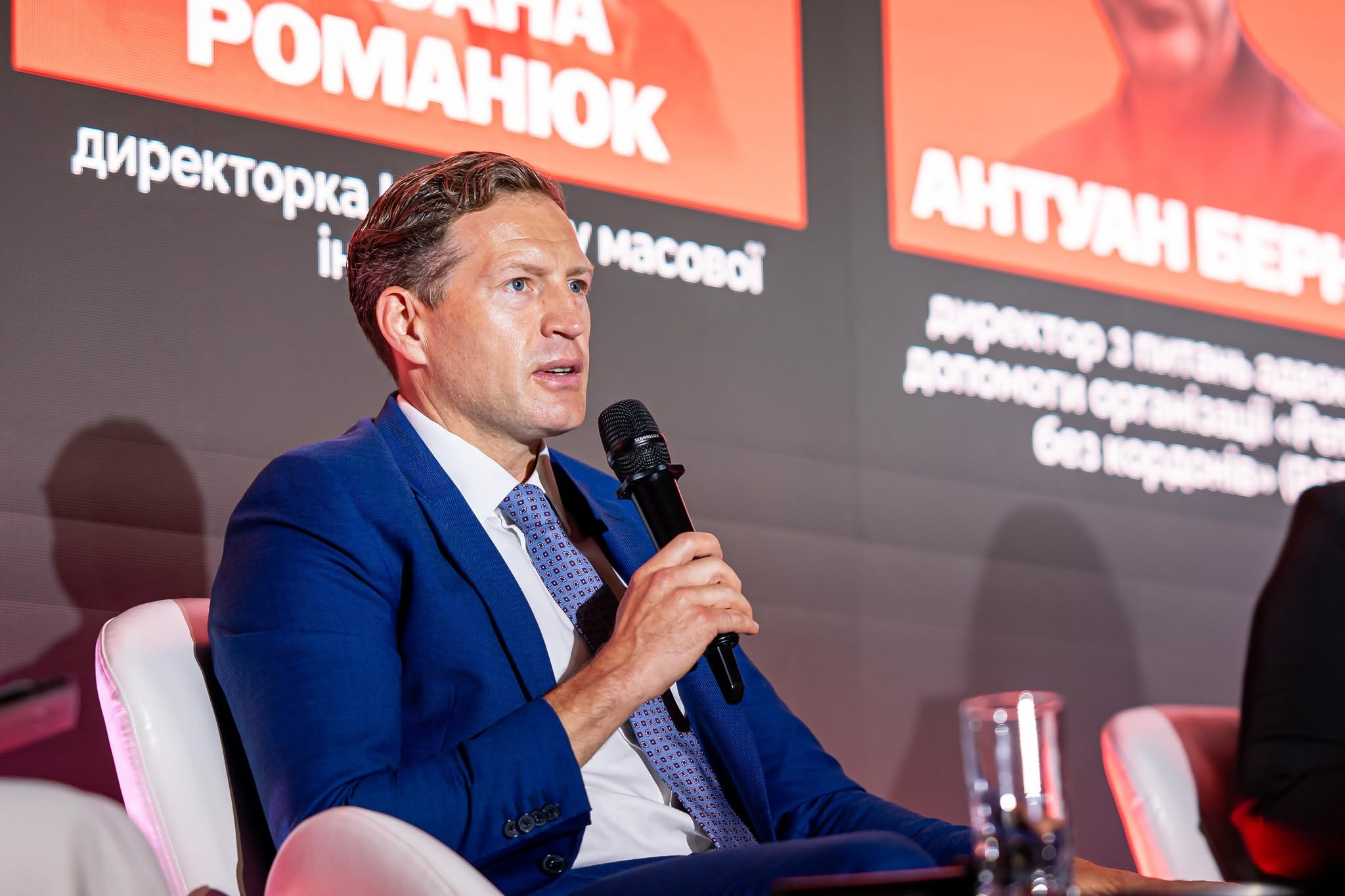
Ukraine’s EU integration does not begin and end with aligning legislation with European Union standards. Genuine freedom of expression, independence of the media, and their capacity to hold those in power to account are equally important. Local and regional media will play a particular role in this process, as well as in Ukraine’s future recovery, said Gediminas Navickas, Deputy Head of the EU Delegation to Ukraine, during the discussion “European Leadership in Supporting Democracy in Ukraine” at the Donbas Media Forum in Kyiv.
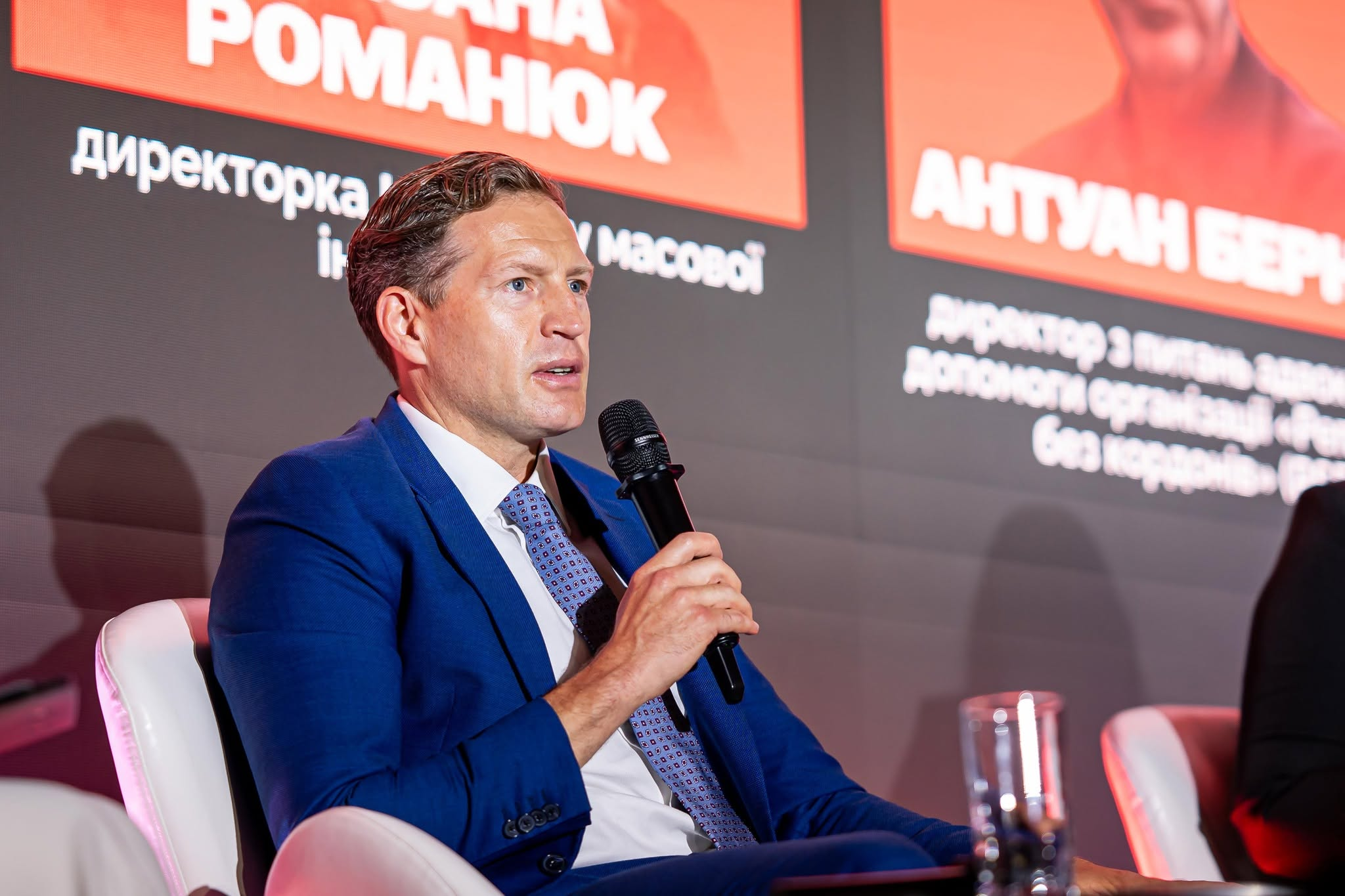
Navickas said that adapting Ukrainian law to European legislation, including introducing the European Media Freedom Act (EMFA), was an important part of Ukraine’s EU accession talks. However, legislative changes alone are not enough to ensure freedom of expression.
“When we talk about Ukraine’s integration into the European Union, the first part of this process is bringing legislation into alignment: multiple laws need to be passed and the related reforms carried out. The European Media Freedom Act is, of course, very important. But what matters to us, and what cannot be described as legislative procedures alone, is genuine freedom of expression and the level of media independence that we expect to see in a candidate country,” Navickas stressed.
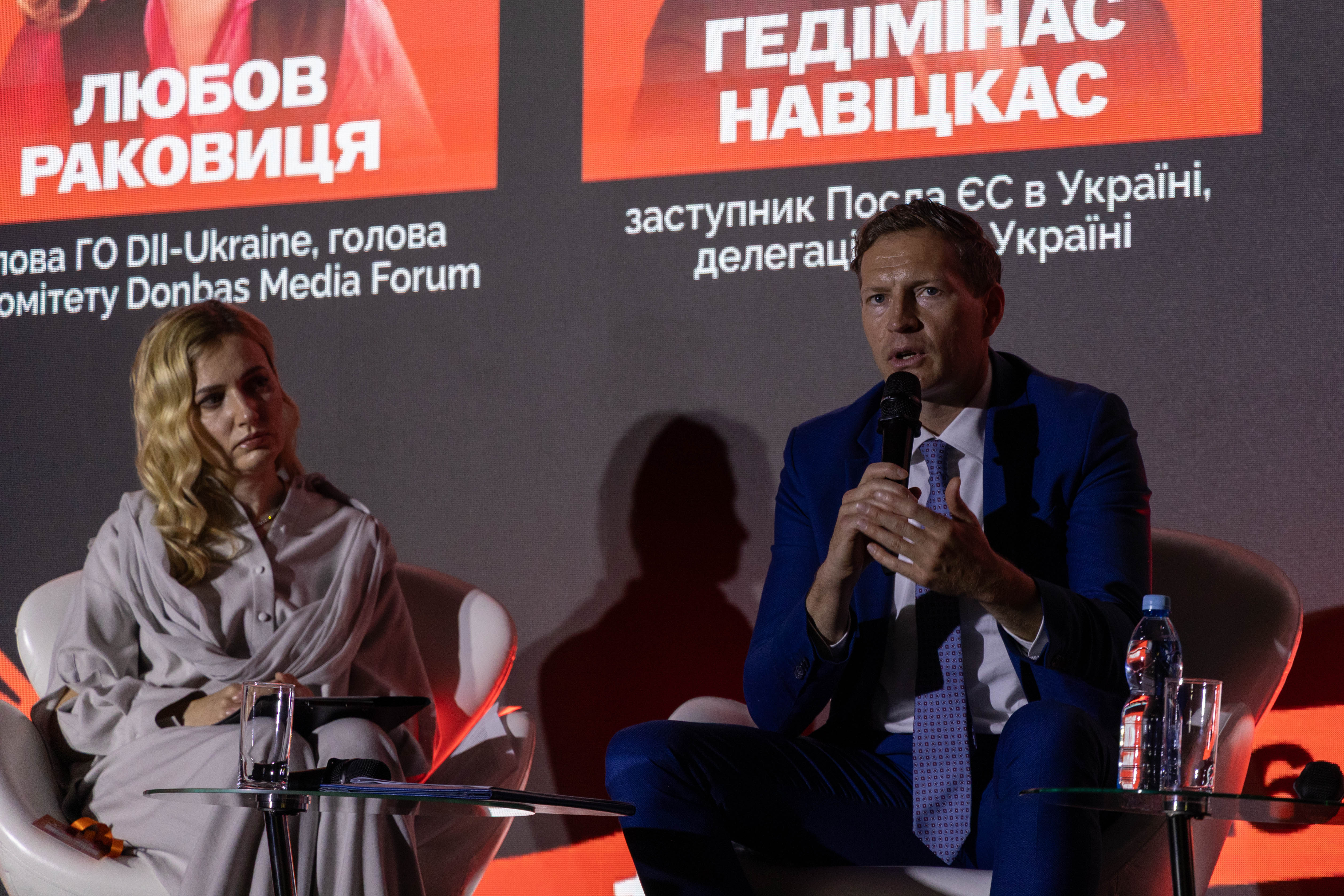
He praised the work of Ukrainian journalists who continue to investigate matters of public importance, report facts, and scrutinise the work of state institutions even in the midst of a full-scale war.
“The way Ukrainian media report news every day, uncover facts, and ensure the accountability of institutions is a systemic guarantee on Ukraine’s path to the European Union,” the EU representative remarked.
Navickas said that ensuring the involvement of independent media in Ukraine’s recovery and reconstruction as one of the main challenges that lie ahead. In his view, regional journalism begs particular attention, since a significant share of the rebuilding efforts will take place at the local level.
“In my opinion, a key challenge in Ukraine’s EU accession process will be the question of what role the media, especially local and regional ones, will play in recovery and reconstruction. As we rebuild Ukraine, it is extremely important that the independent voice of the media is heard in the regions where recovery is taking place, ensuring accountability,” he stressed.
The Deputy EU Ambassador also pointed out the importance of a strong public broadcaster. He believes that the independence and institutional capacity of public broadcasting likewise cannot be secured merely by formally passing laws. It must be guaranteed that the public broadcaster has all the proper powers to carry out its function.
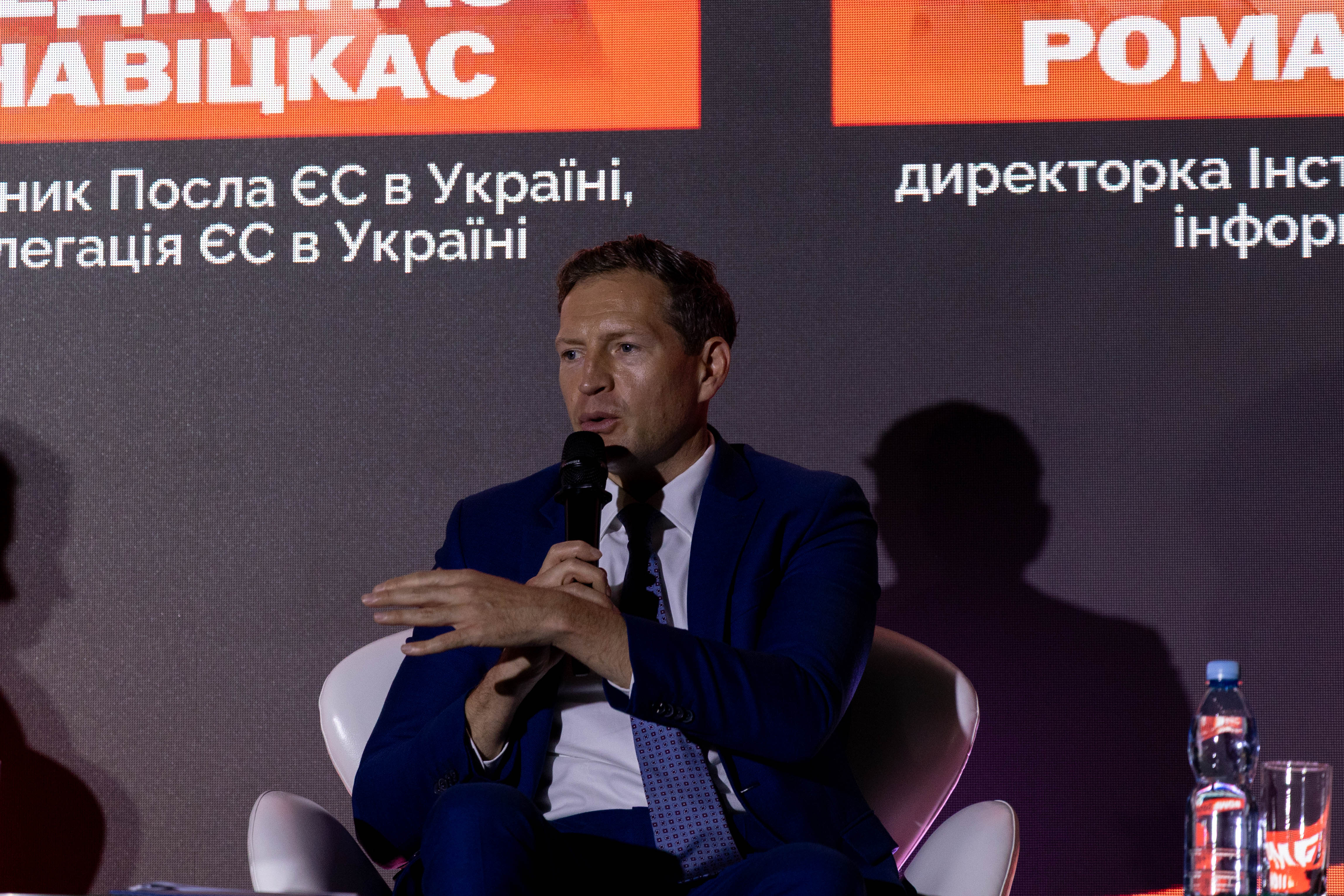
Responding to a question about the criteria for genuine progress in Ukraine’s media freedom, Navickas listed several key indicators: equal access to information for journalists, transparency of media ownership and funding, and effective investigation of crimes against journalists.
“It is very important that all journalists from all news outlets have the same rights of access to the places where decisions are discussed and made. Access is crucial. The second key element is transparency. We must know who owns the media, who stands behind them, and where advertising money goes,” he remarked.
The EU representative named overcoming impunity for crimes against journalists as another matter of principle, saying that the European Union monitored both violations linked to Russia’s aggression and other forms of pressure Ukrainian journalists face, including the investigations into such incidents.
He also emphasised the importance of passing anti-SLAPP laws, which should boost the legal protection of reporters and media outlets.
“We must ensure that Ukrainian media and journalists have a safe space to work, to carry out investigations, and to keep society informed,” Navickas said.
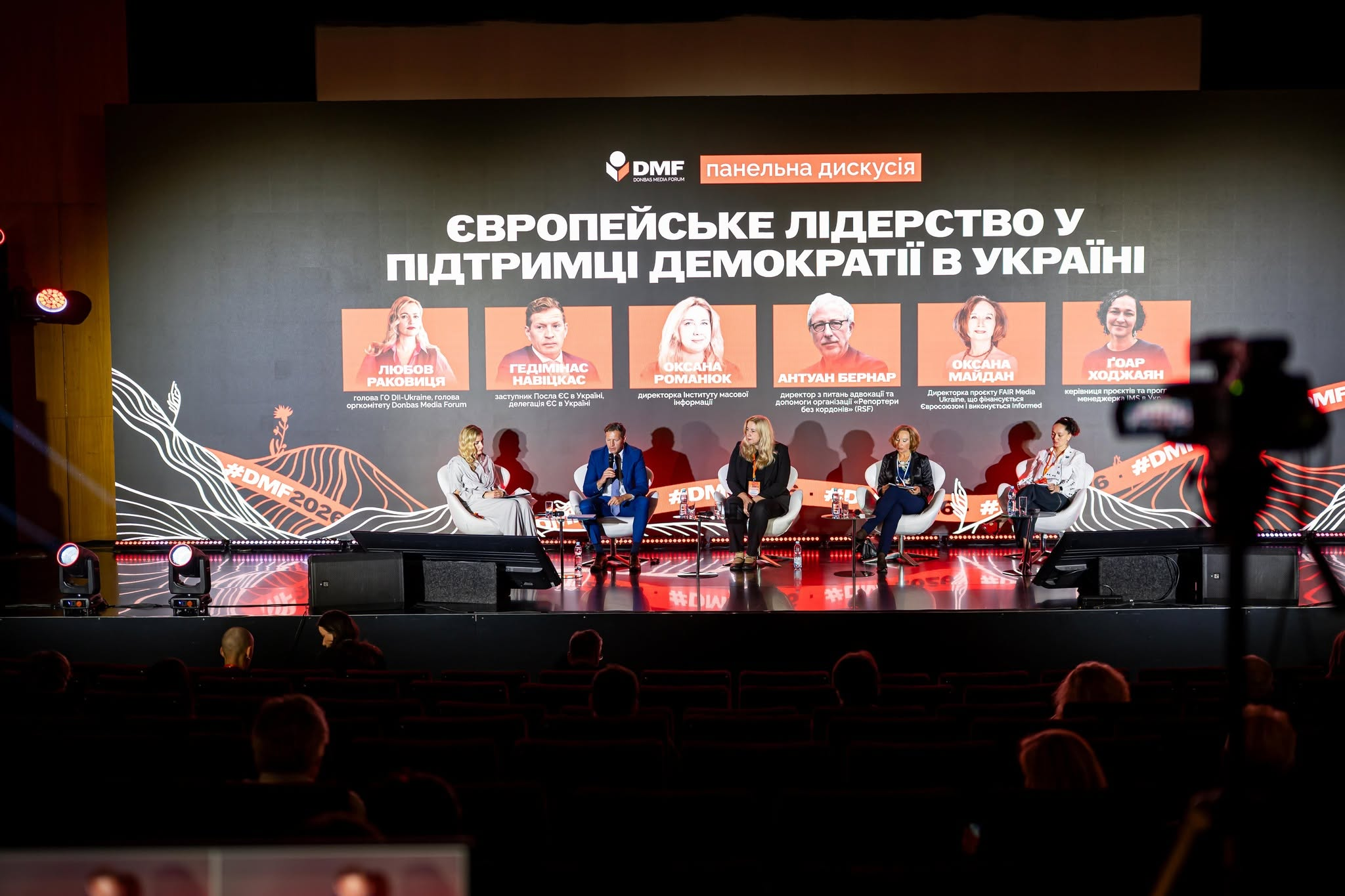
The Deputy Head of the EU Delegation commended Ukraine’s progress in the media freedom area, but stressed that reforms must continue and that international partners must respond publicly to violations of journalists’ rights.
“We are very glad to see that Ukraine shows annual progress in media freedom. But that doesn’t mean we can stop. Every time we see a violation of press freedom, international partners and institutions must respond publicly and ensure that Ukrainian media can continue to work freely,” Navickas concluded.
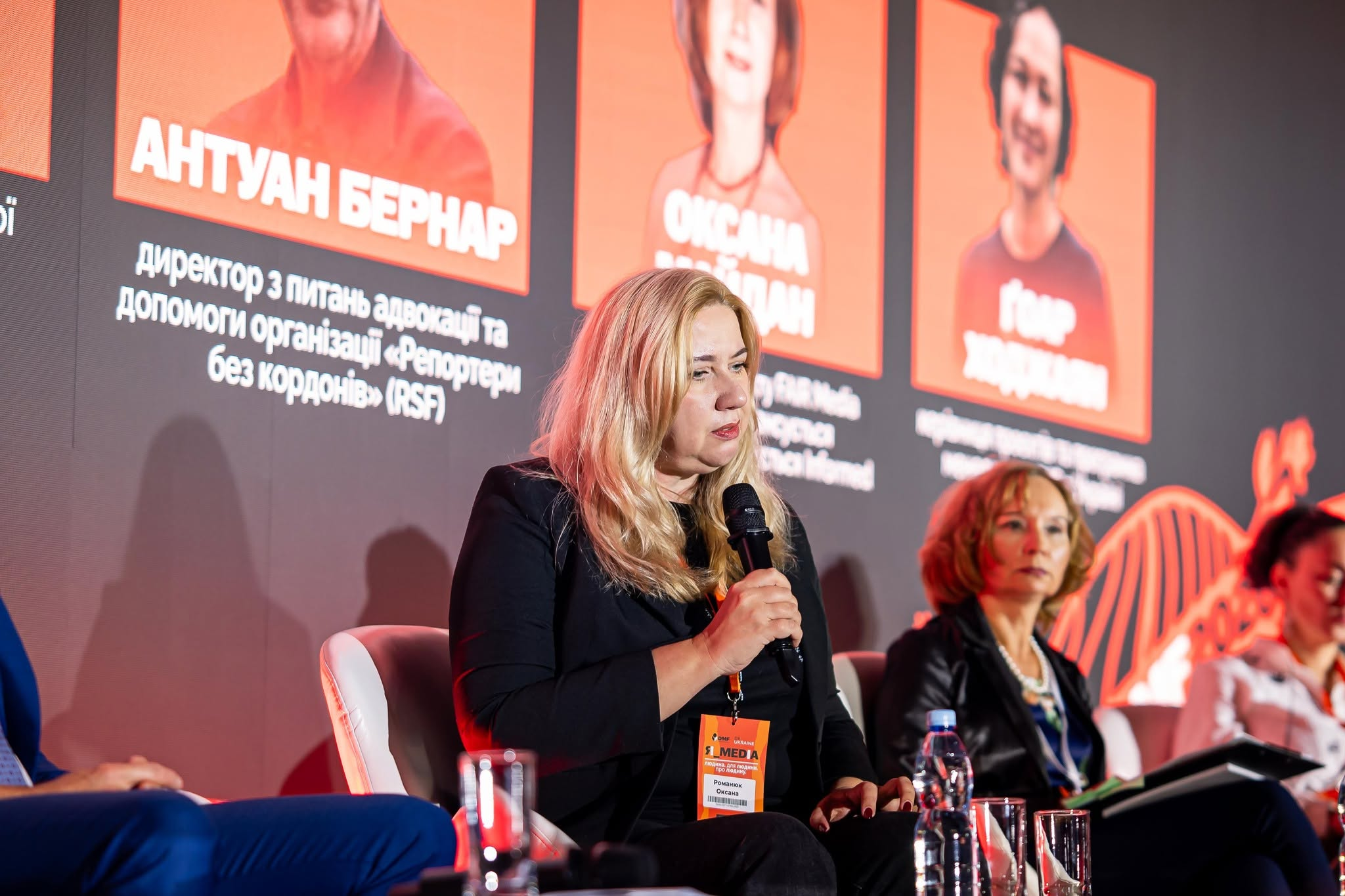
During the same discussion, Institute of Mass Information director Oksana Romaniuk said that support for independent media should become an integral part of international aid and of Ukraine’s recovery policy, rather than being limited to short-term grant programmes. To that end, each major international aid package should include at least 0.2–0.5% of support for independent journalism and civil society.