

The Ukrainian prisoners of war suffer brutal systematic torture at the hands of the Russian forces, including electric shocks, positional torture, and weekly abuse during the so-called “bathhouse day”, says Vilne Radio journalist, Mariupol Territorial Defense fighter, and Russian prison survivor Oleksandr Hudilin, who went through eight prisons in Russia and described in detail the torture methods employed in the Kamyshyn PTDC (Volgograd region, Russia).
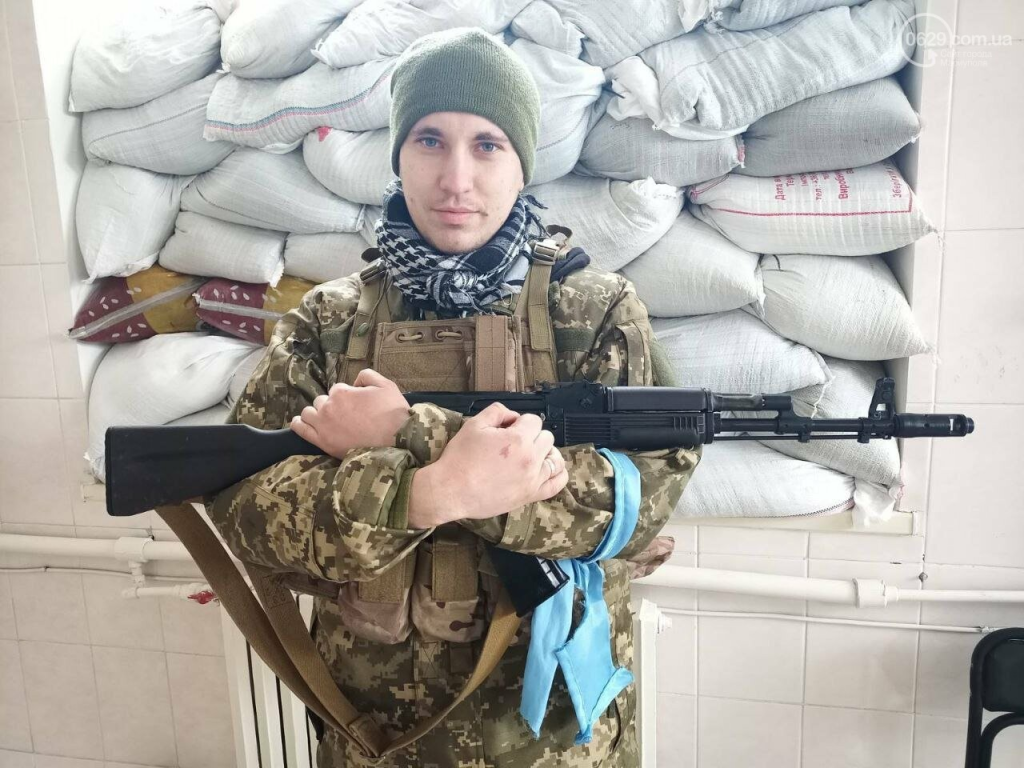
Hudilin says that every Russian penal institution where he was taken would welcome Ukrainian inmates with a so-called “priyomka” (lit. reception), which always came with brutal violence, and the paperwork processing was only a formal pretext for abuse.
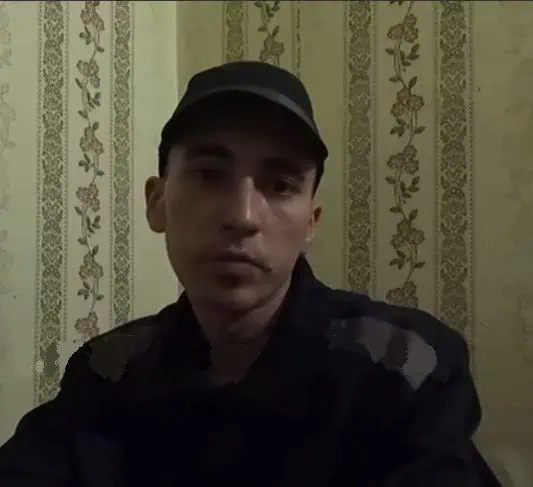
“In fact, this process always involves torture. They put you in the prison uniform, and then you lie on the floor and cannot get up as they’re beating you. This way they show you that in this new place you are simply no one and have to obey, or else you will just be crushed. […] When it was our turn, I first got to learn the hard way how electric shockers work,” says Oleksandr.
He remarks that the anticipation of torture would add to the psychological pressure: prisoners would sit blindfolded in a corridor for hours, listening to the screams of those being abused nearby.
Oleksandr Hudilin described in detail the torture methods used daily by the Kamyshyn PTDC administration:
- While in the cells, the inmates were forced to remain on the upper bunk beds with their feet down. Being in such a position for a long time would cause their limbs to swell terribly, resulting in fevers, high temperature, and fainting. They were only allowed to come down briefly to eat.
- The prisoners were forced to do 700 squats three times a day in the summer heat while wearing two sets of clothes at the same time.
- The weekly visits to the bathhouse was turned into another form of torture. During this process, the Ukrainians were beaten most brutally: the attacks were not an interrogation tactic or aimed to obtain information, but were carried out purely for the sake of torture and physical humiliation.
After Kamyshyn, Oleksandr was moved to the occupied region of Donetsk oblast: first to a colony in Horlivka, where he spent a year and a half, and later to Kirovske (now Khrestivka). He says that creative work helped him survive and stay sane amid constant violence and uncertainty: he would secretly write poems on wallpaper scraps or toilet paper with a pencil he managed to get from other inmates.
As IMI reported, Oleksandr Hudilin came back from Russian prison on 30 December 2024.