

Sumy-based journalist Anna Klochko tells European readers about Russia’s war against Ukraine through personal stories about civilians, aiming to help her audience “try on” her heroes’ experiences, Klochko told Trybuna.
Anna works with the German newspaper TAZ and ONE, the official publication of the papal humanitarian organisation CNEWA.
In her reporting, the journalist says, she deliberately avoids sensitive or graphic images: both as a matter of ethical principle and in line with European newsrooms’ requirements.
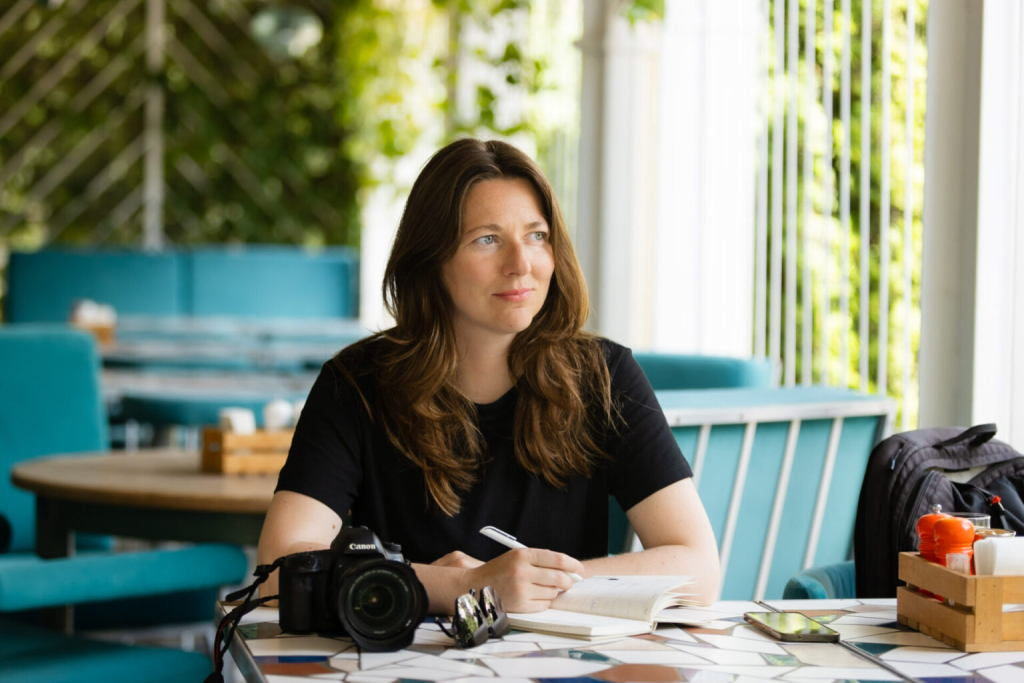
Instead, she focuses on the everyday life of Sumy civilians: the farmers working in the border-adjacent area, the children studying in bomb shelters, and damage to civilian infrastructure caused by guided aerial bomb (KAB) strikes and Shahed-type attack drones.
“The large-scale things don’t get to them anymore. Abroad, everyone is a bit done with news about the war and Ukraine. So I try to write, photograph, and film in a way that lets the reader put themselves in a specific person’s shoes. If this happened to Ukrainian children, it could have happened to theirs too,” Anna Klochko says.
The journalist works in a multimedia format: she writes the texts, takes the photos and films the videos, and translates the material into English and German.
Klochko says that when communicating with people outside Ukraine it is important to abstain from aggression when faced with their lack of awareness or stereotypes about the war and refugees. Instead, she encourages responding with coherent, calm explanations and sharing material by vetted media outlets in English.
The journalist added that combating Russian propaganda abroad requires a long-term strategy, since a foreign audience’s perceptions can not be changed quickly.
Earlier, Suspilne Sumy spoke about the biggest challenges they faced while filming “Palm Sunday: Chronicle of a Crime”, a documentary about a Russian strike on the city.