
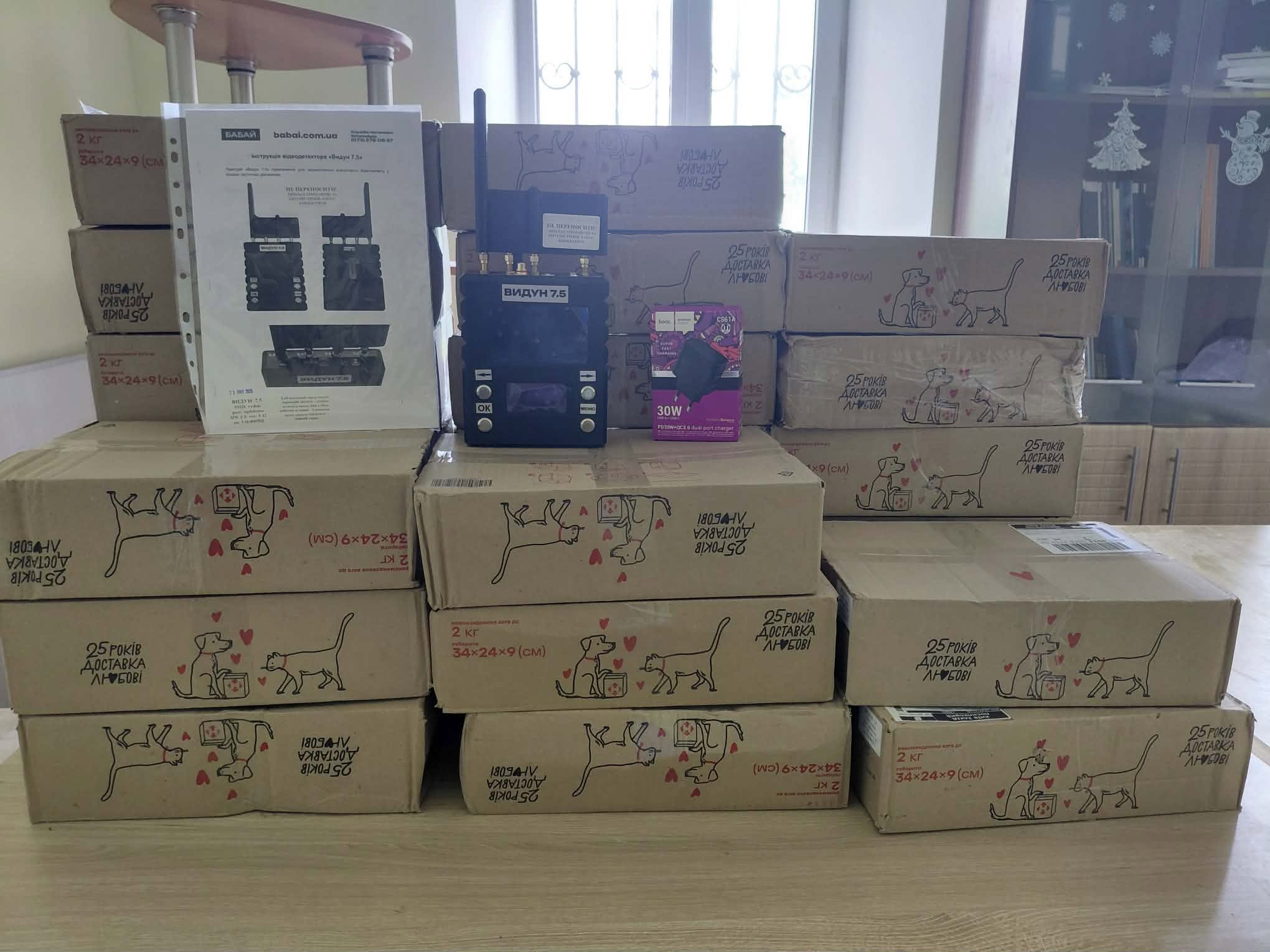
The Institute of Mass Information (IMI) has purchased 27 drone detectors for reporters through donations raised during the No News is Bad News campaign initiated by the Kyiv Independent.
The devices have already been manufactured, delivered to Kyiv, and mailed out to IMI’s regional Mediabaza hubs. The drone detectors will be available in the following oblasts: Chernihiv, Poltava, Sumy, Kharkiv, Dnipropetrovsk, Donetsk, Zaporizhzhia, Mykolaiv, Kherson, and Odesa. One detector will be added to IMI’s Safety Library in Kyiv.
In addition, a member of the Kyiv Independent community donated one more drone detector directly, a Chuika, to journalists, bringing the total number to 28; it is already available for use at Mediabaza Kharkiv.
Kyiv Independent and IMI launched the No News is Bad News campaign ahead of World Press Freedom Day. The news outlet developed a merchandise collection of the same name, featuring a T-shirt and a notebook, with proceeds from sales between 21 April and 5 May going towards purchasing drone detectors for battlefield reporters.
Kyiv Independent raised $9,182 from merchandise sales over that period and upwards of $13,000 more was donated directly to KI. IMI added a further $776 received from donors, bringing the overall sum raised during the campaign to over $23,000.
“In the age of drones, the few seconds a detector gives you in frontline regions often make all the difference. We’re incredibly grateful to everyone who bought a T-shirt or a notebook, or simply made a donation. Thanks to you, hundreds of newsrooms will be able to send their reporters out on assignment a little better protected. This has once again shown that society realises: protecting journalists is crucial to having a truthful picture of the war. But what is most valuable about this is the mutual support and solidarity within the media community, and this isn’t the first time Kyiv Independent has taken the lead on initiatives like this,” commented Institute of Mass Information Director Oksana Romaniuk.
“For us, success is about responsibility and community. We understand perfectly well that however successful we might be as one team, without the work of our colleagues our mission will remain an unattainable dream, so today we’re simply happy that we managed to come together to make our community stronger. And this definitely won’t be the last time, since helping our colleagues is part of our strategy,” said Kyiv Independent CEO Daryna Shevchenko.
Which drone detectors will reporters get
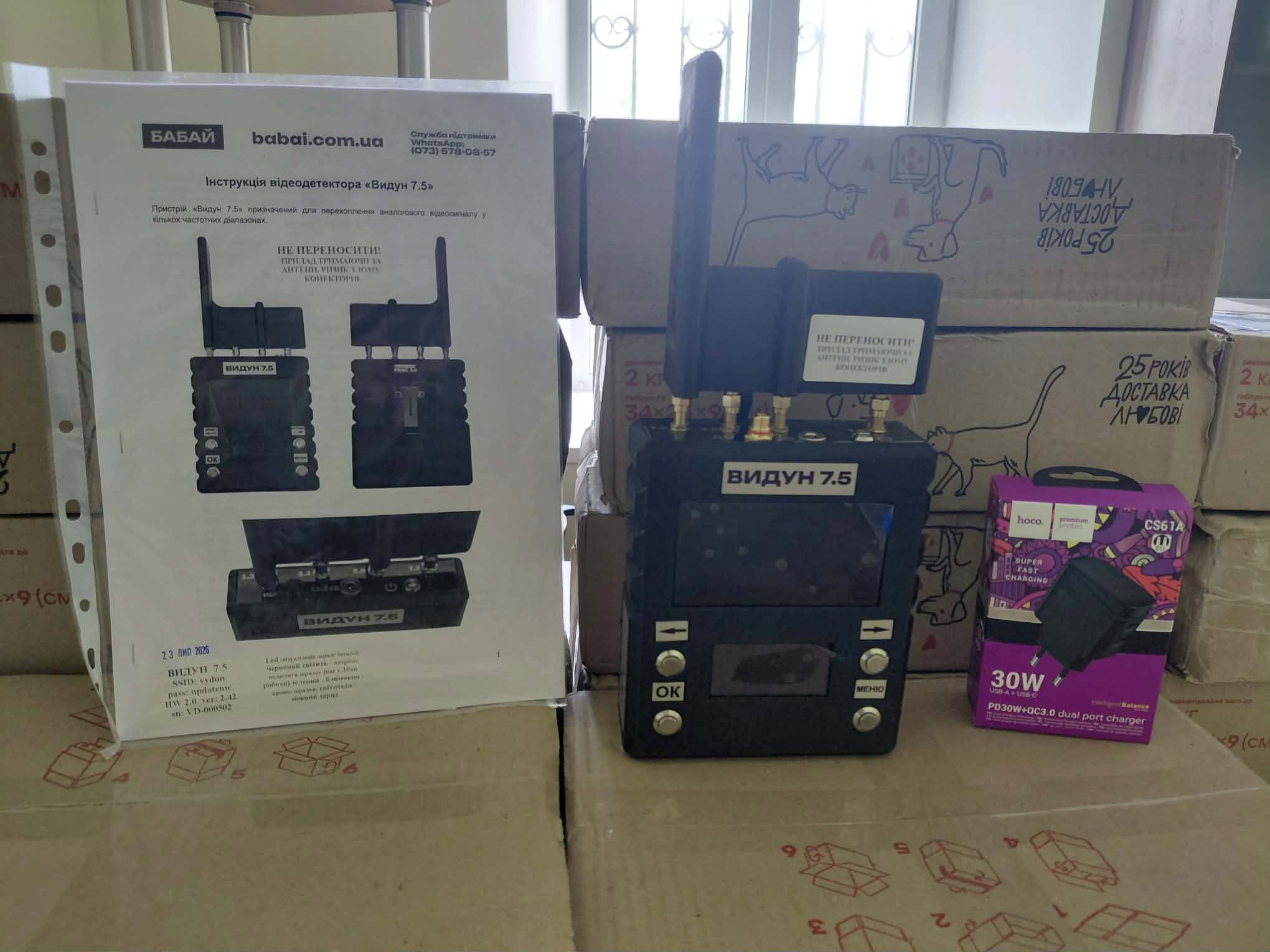
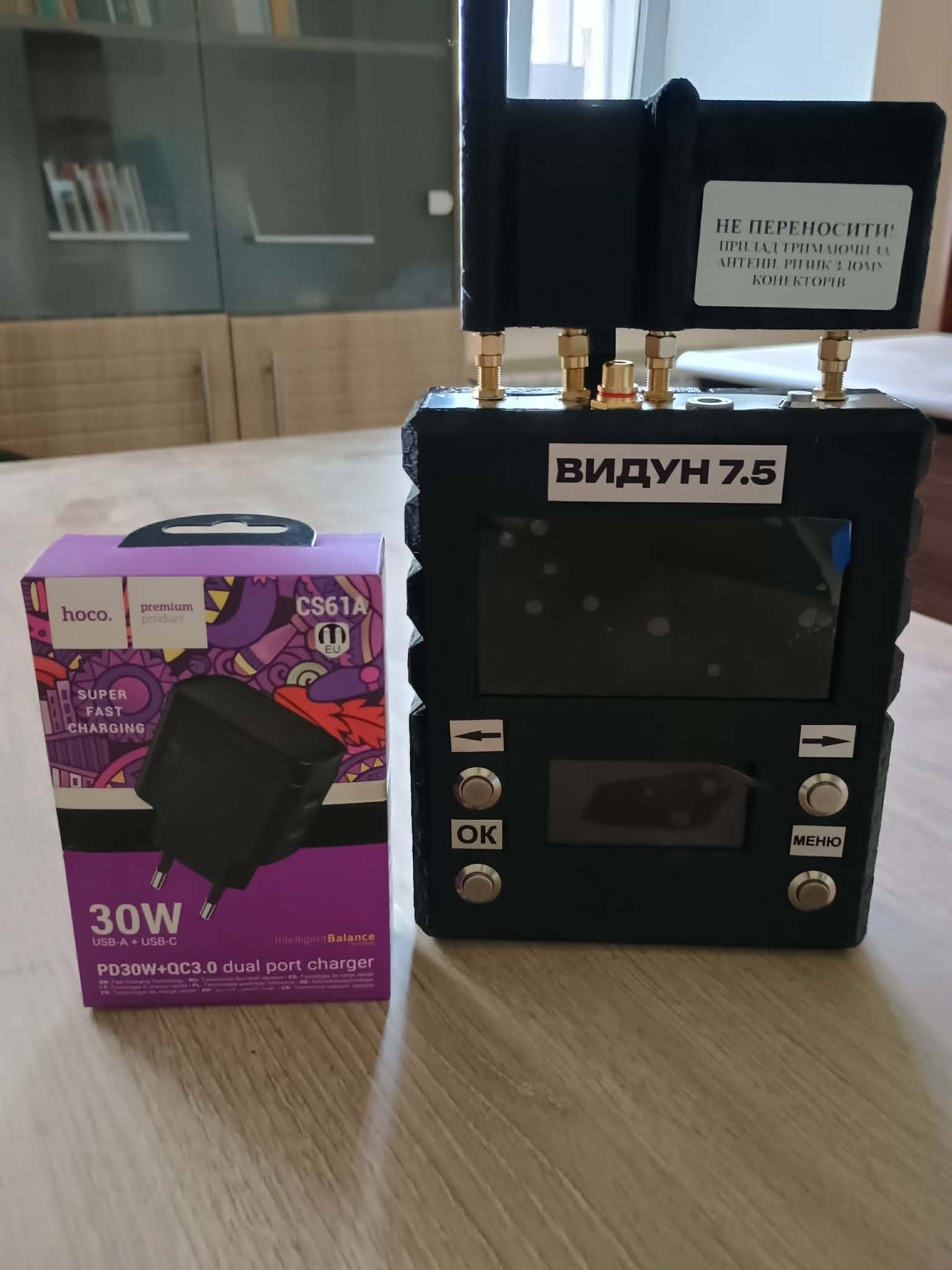
IMI experts analysed the drone detector market and selected the model that was state-of-the-art at the time of ordering — the Vydun (lit. “seer”) 7.5.
According to the manufacturer, the Vydun 7.5 is an updated four-band FPV drone detector with parallel scanning across all bands:
- it intercepts video at 910–2200, 2200–4040, 4867–6100, and 6000–7500 MHz;
- detects aerial targets at 360°;
- has an effect range of up to 4,000 m;
- full scan cycle speed of 3 to 20 seconds;
- a built-in 10,000 mAh (7.4 V) battery provides five to seven hours of continuous use.
Protective gear for media professionals
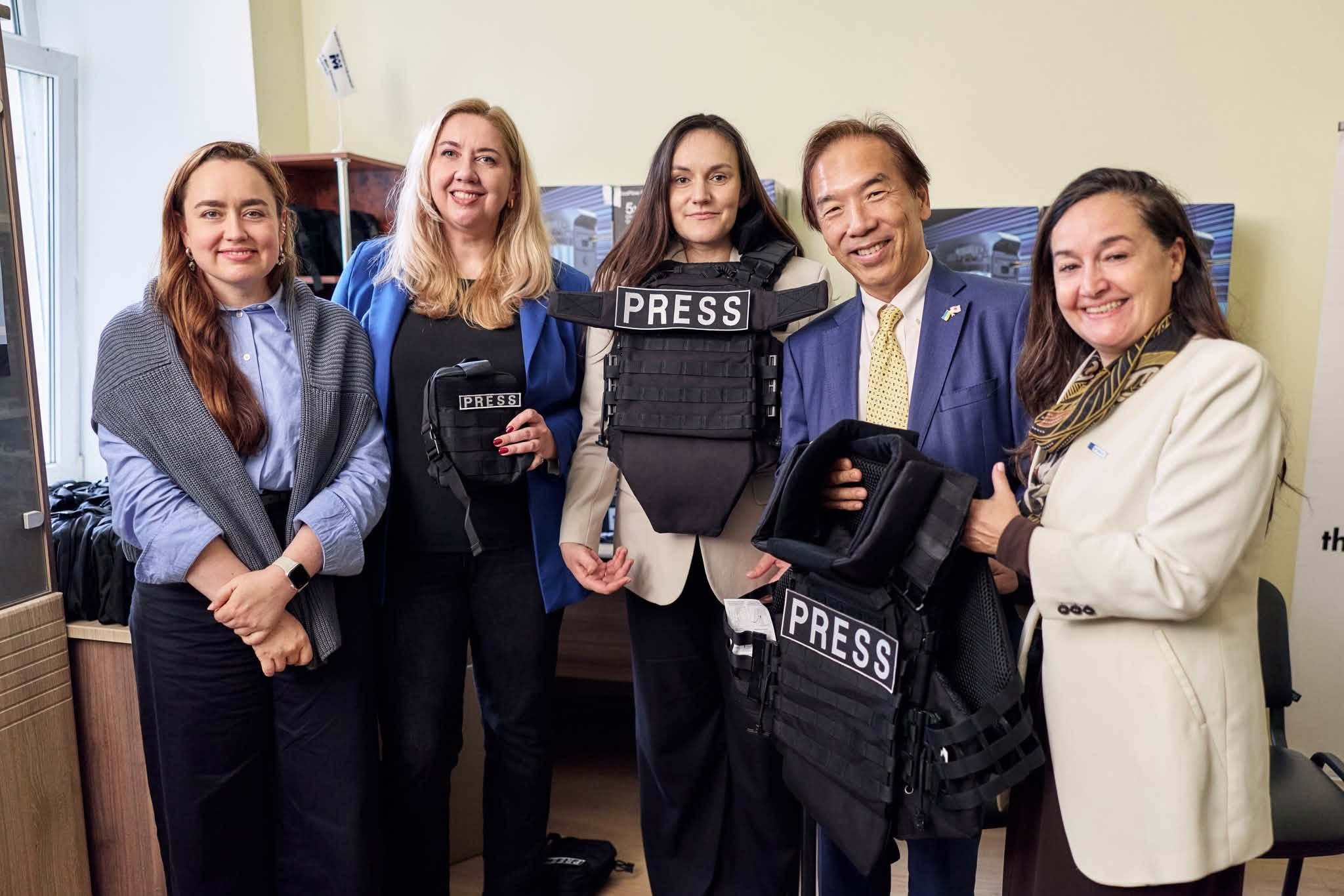
Reproters planning a trip to the combat zone can lease equipment free of charge at IMI’s Kyiv office or a regional Mediabaza by filling out the online form. IMI offers bulletproof vests, helmets, first aid kits, drone detectors, and other necessary gear.
Media professionals have used IMI’s equipment over 12 thousand times since 2014.
Russia attacks journalists
Russia has committed 966 crimes against journalists and the media in Ukraine since the start of the full-scale invasion, according to IMI. IMI has also pointed out that while artillery posed the biggest threat to journalists in 2022, in 2025–2026 UAVs (FPV drones, Lancet and Molniya type drones, etc.) have become the dominant risk factor. In the fourth year of the full-scale invasion, IMI recorded the deaths of three media professionals while reporting, all three being killed in drone strikes.
IMI has also insisted that wearing PRESS labels in areas with ongoing FPV drone warfare does not protect journalists but may increase the likelihood of them being targeted.
The Institute of Mass Information (IMI) is a civil society organization specializing in the media, operating since 1996. IMI defends the rights of journalists, studies the media landscape and reports on media-related events, fights propaganda and disinformation, and provides media workers with safety equipment for trips to combat areas (since the start of the Russo–Ukrainian war in 2014).
IMI carries out the only monitoring study of freedom of speech in Ukraine, keeps a list of transparent and responsible online media outlets, and tracks Russia’s media crimes in the war on Ukraine. IMI has representatives in 20 oblasts of Ukraine and runs a network of Media Hubs that provide journalists with unfailing support. IMI’s partners include Reporters Without Borders (RSF); the organization is also a member of the International Freedom of Expression Exchange (IFEX).