
Ukraine’s independent media outlets need investments in safety and resilience to survive the war marathon. The most urgent needs include means of protection from Russian drones while reporters are working near the front lines, said Iryna Zemlyana, a media expert at the Institute of Mass Information, at the OSCE event “Journalists’ Safety in Times of Conflict: Defending the Independence and Supporting the Recovery of Ukrainian Media” on 20 October in Vienna, Austria.
Safety and financial support are key priorities for protecting the independence of Ukrainian media outlets, Iryna Zemlyana stressed.
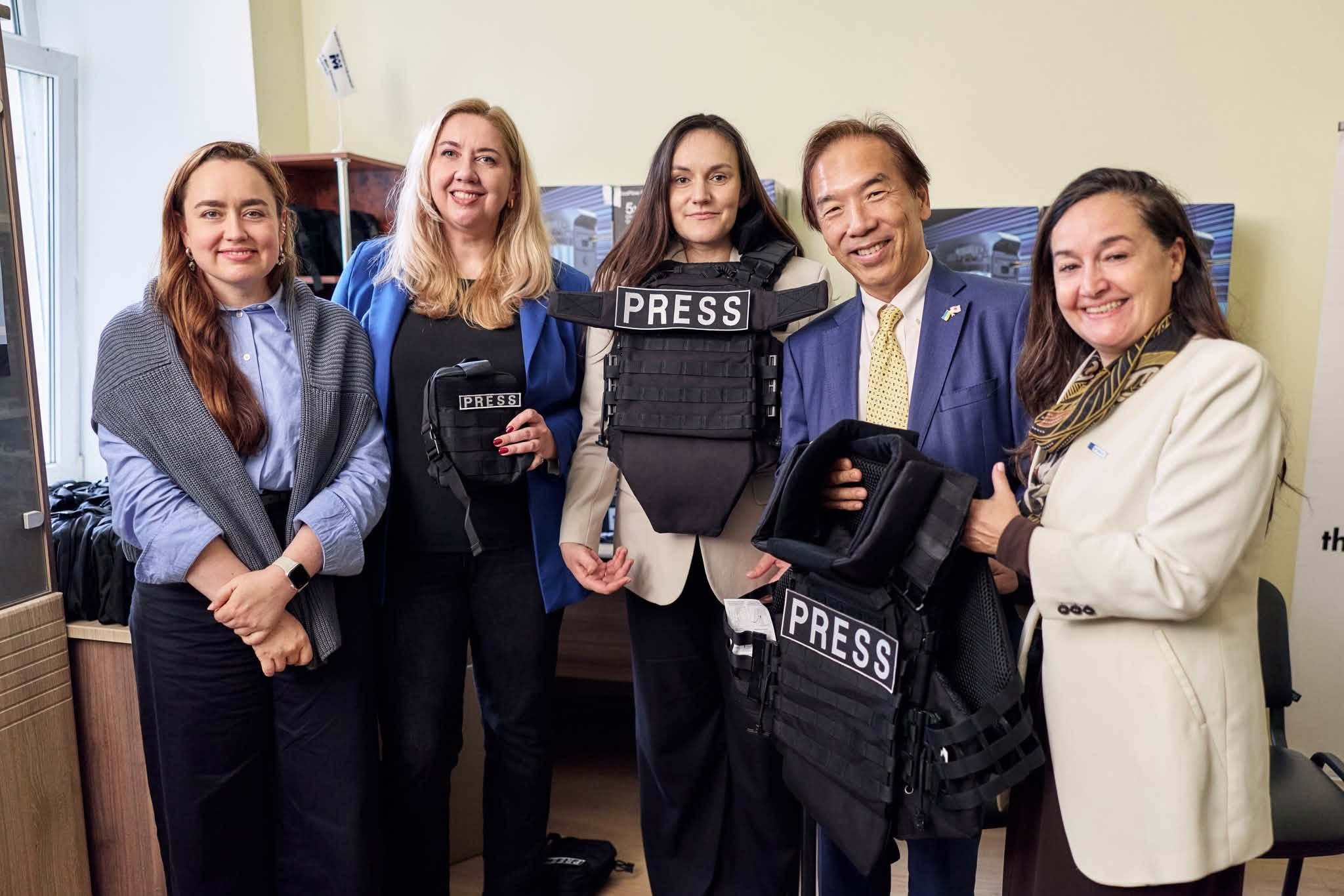
“Safety comes first: the physical, digital, and mental health protection of journalists needs more investment. For example, Ukrainian journalists (working in combat areas, — Ed.) need means of defense against Russian drones, but currently no donor allows us to purchase them. Regardless of the fact that these are not military goods, as everyone believes, but protective gear, same as a bulletproof vest,” the IMI media expert added.
Ukrainian media needs institutional support to ensure stable operation of the surviving media outlets through grants and modernization funding, Iryna Zemlyana added.
She said that sustainable financial models should be developed to help reduce media outlets’ dependence on short-term grants. According to the IMI expert, there is also a need to expand European and multilateral financial support to compensate for the US funding cuts.
Mental exhaustion, lack of rest and constant stress experienced by Ukrainian media workers are among the main threats to freedom of speech, Iryna Zemlyana added. 79% of journalists face these challenges, according to a 2024 IMI survey.
“In addition to the physical risks, we are dealing with a deep mental exhaustion that threatens the sustainability of journalism itself. And yet, despite these challenges, Ukrainian journalists continue their mission. They work during blackouts and missile strikes, support the work of media outlets with generators and power banks, and report from the front lines with courage and dignity. But heroism is not enough. We must build resilience, safety, and sustainability for the future of Ukrainian media,” said Iryna Zemlyana.
Yaroslav Yurchyshyn, the chairman of the Verkhovna Rada Committee on Freedom of Speech, called for increased accountability for Russia’s crimes against journalists.
“We need to work with you to improve the legal protection of journalists through international humanitarian law. Russia cannot kill journalists, capture them, torture them and not be held accountable. We must change this together,” said Yaroslav Yurchyshyn.
In addition to murdering journalists, assassination attempts and forced disappearances of media workers, Russia shuts down Ukrainian broadcasting and replaces it with propaganda, intimidates journalists and targets Ukrainian media in cyber attacks, said Svitlana Ostapa, the head of the Suspilne Supervisory Board.
The discussion was also attended by OSCE Support Programme for Ukraine representative Natalia Stupnytska, Suspilne’s chief of international cooperation Valeria Bezpala, and Andrea Cascone, the Permanent Representative of Italy to the OSCE, who moderated the event.
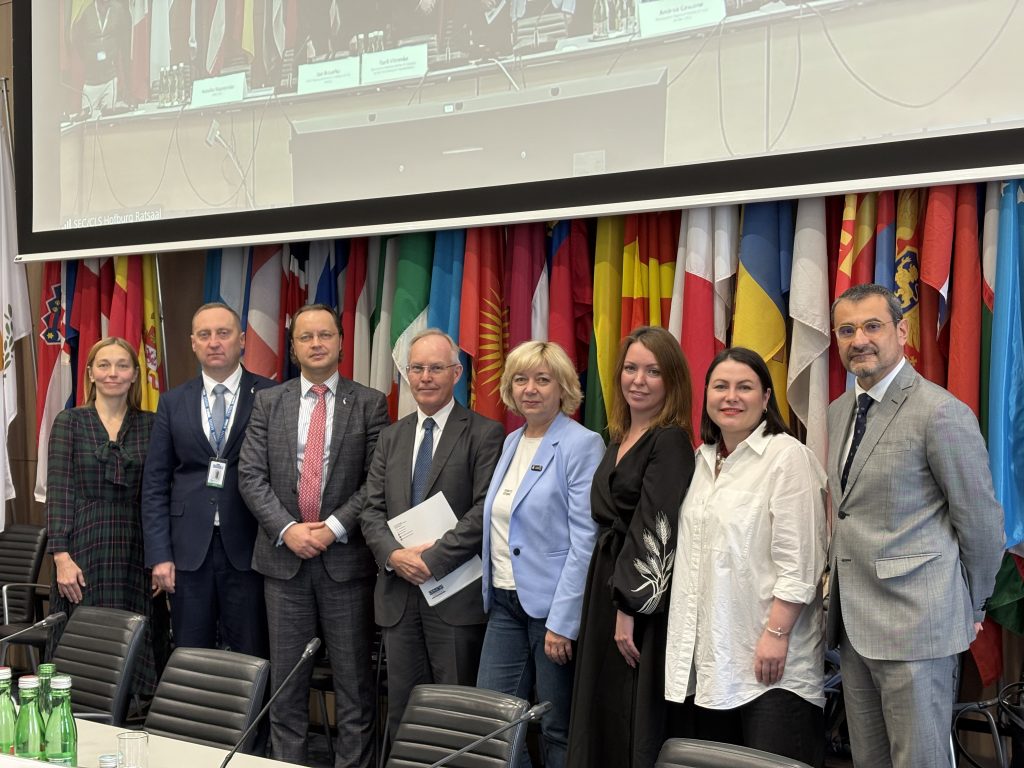
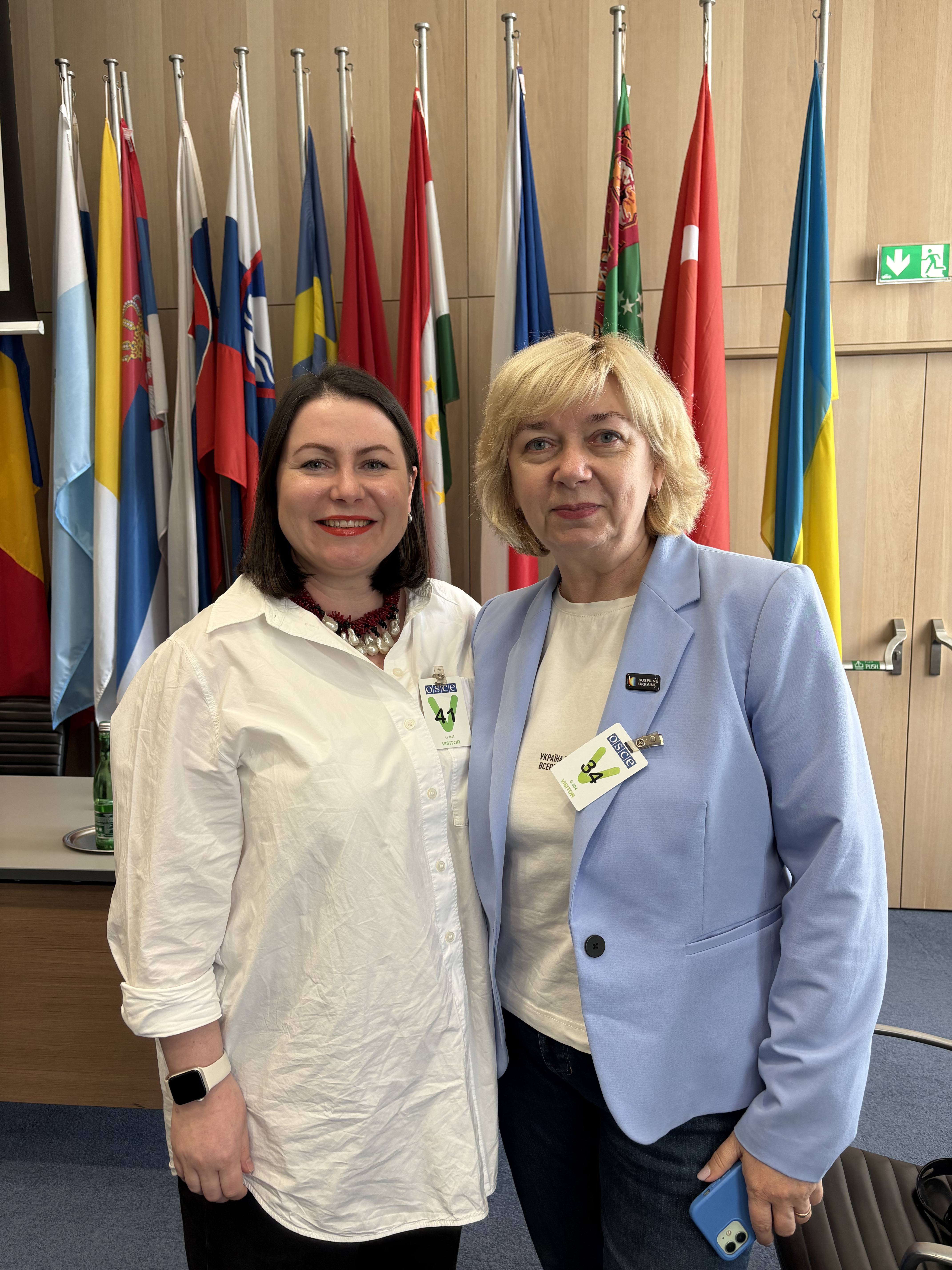
Iryna Zemlyana at the OSCE event “Journalists’ Safety in Times of Conflict: Defending the Independence and Supporting the Recovery of Ukrainian Media” in Vienna. Photo provided by Iryna Zemlyana
According to the Institute of Mass Information, Russia committed 848 crimes against journalists and media in Ukraine in the three years and seven months of the full-scale war. On 3 October 2025, French journalist and photographer Antoni Lallican was killed and his colleague, Ukrainian journalist and photographer Heorhiy Ivanchenko, was wounded in a targeted FPV drone strike in Ukraine. Ivanchenko had his leg amputated and needs long-term rehabilitation.
At least 26 Ukrainian civilians working in media are in Russian detention today, according to the Institute of Mass Information.