

Freelance journalist and war correspondent Oleksandr Kachura, who works with international media and previously worked with Suspilne Donbas, had to leave Kramatorsk for Kyiv because of the deteriorating safety situation.
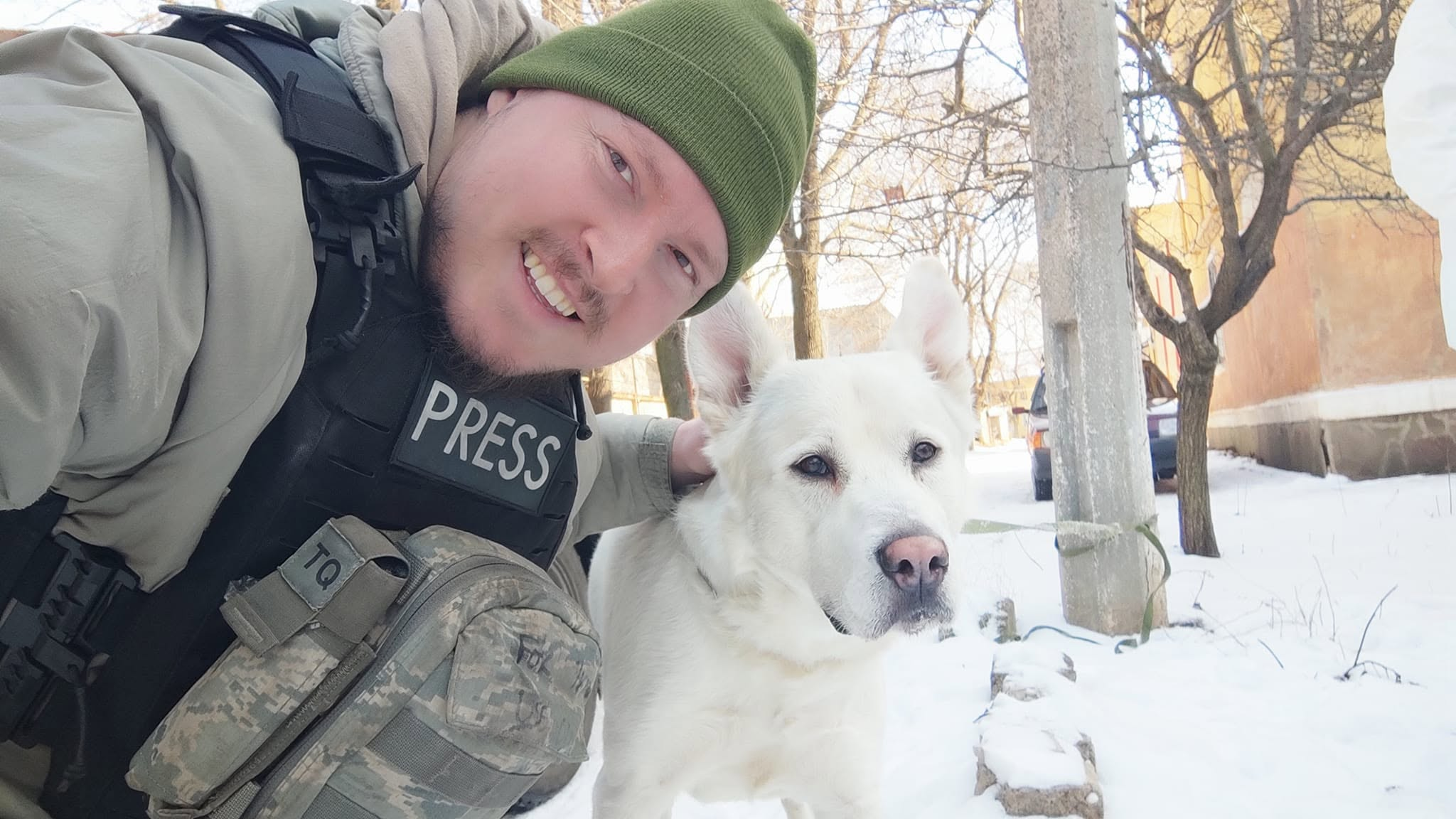
In an interview with Institute of Mass Information’s Valentyna Troyan, he spoke about the humanitarian collapse in the city, some locals’ hostile attitude towards the media, changes in Russian propaganda methods, and Western newsrooms’ loss of interest in the war in Donetsk oblast.
“With no gas or water, life became near unbearable”: leaving Kramatorsk
Oleksandr Kachura was born in Donetsk. He had lived in Druzhkivka since 2015 and until moving to Kramatorsk, where he had a flat, in 2025. In 2026, the perpetual shelling pushed him to relocate to Kyiv. The journalist managed to leave a few days before the gas supply in Kramatorsk was cut off.
Kachura says that Russian forces are targeting critical infrastructure as they previously did in Druzhkivka. A gas main there was struck around New Year. Gas workers, with help from soldiers, managed to repair the pipe by March, but the gas supply had to be halted later nevertheless.
“It’s very, very hard when guided aerial bombs are dropping all day, then the connectivity is poor, when there’s no electricity, no water. Water supply was one of the things that drives you crazy the most. Because you can replenish electricity: go to some Invincibility Point, charge a power bank or a power station. But hauling water in bottles or buckets under drone fire is just unreal. And when the gas ran out too, life became near unbearable,” Oleksandr shares.
READ MORE
The journalist observed that most services in the city have been scaled back. Nova Post’s cargo branches operate only in Sloviansk, while Ukrposhta has shut down some offices and cut their working hours, e.g. onlys serving customers outside curfew hours, from 11am to 3pm.
Kachura remarks that such conditions effectively push people to move out of the city, yet in his view the state does not offer displaced people adequate options for long-term resettlement. Shelters are a temporary solution, and the people who remain in the city are mostly the elderly and socially vulnerable people who have nowhere to go.
Working under “swarms” of drones, aggression from locals
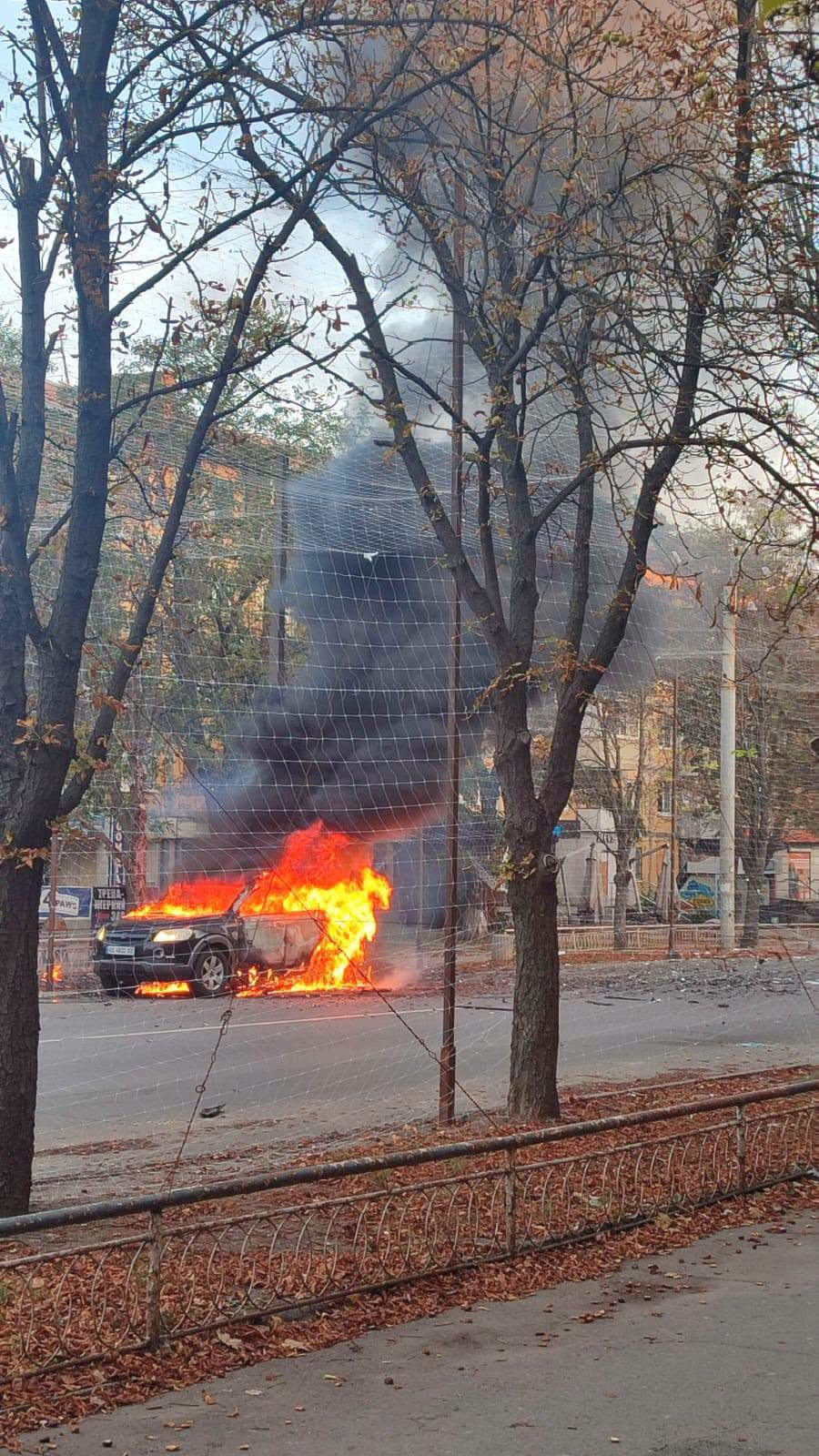
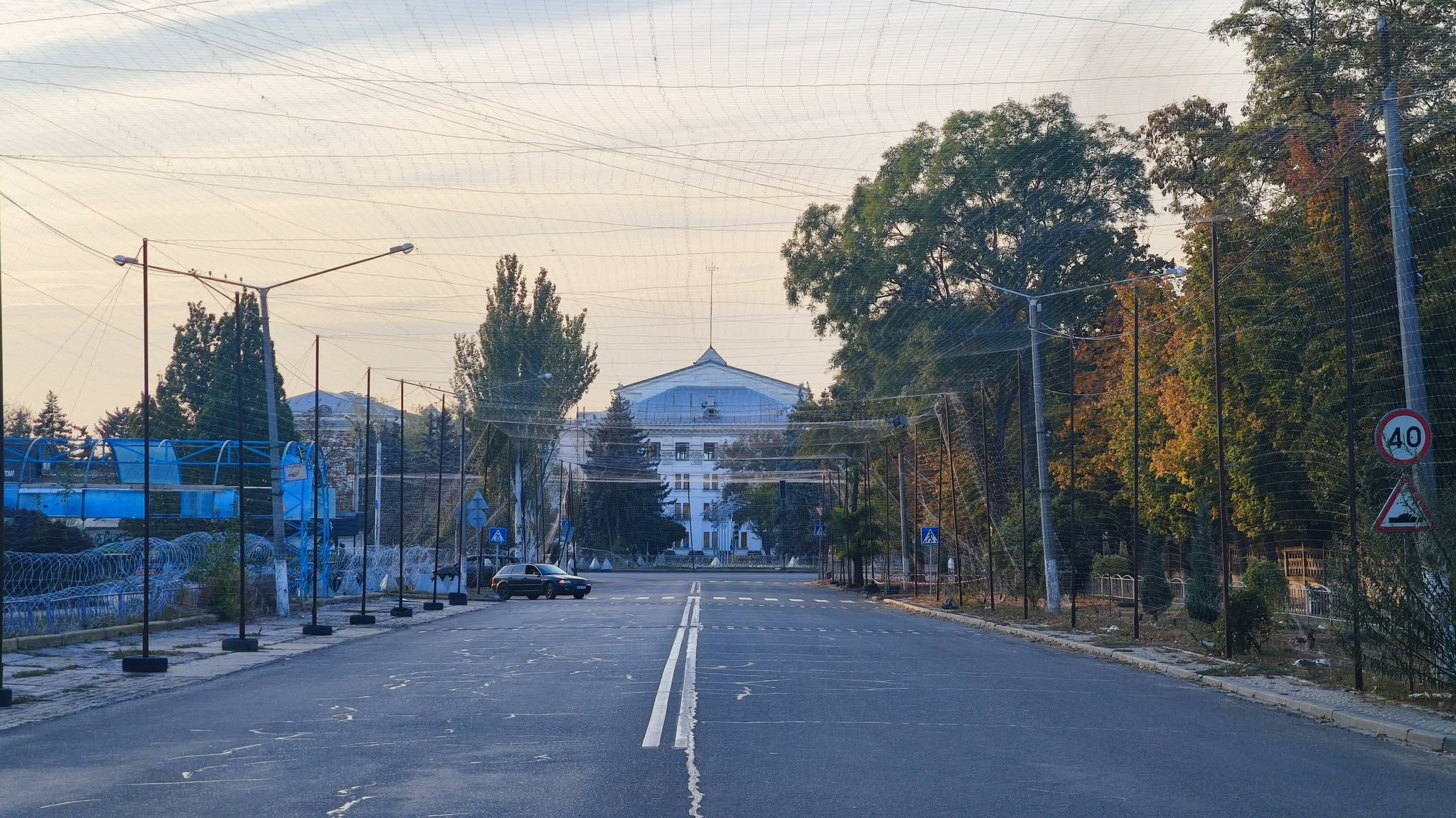
In recent weeks, working in frontline cities has become extremely dangerous because of the large number of drones flying around. Oleksandr Kachura compared the drones to bees and recalled seeing burned civilian cars every day, one of which was destroyed in central Kramatorsk, right across the street from his house.
Besides the physical danger, journalists face aggression from some locals who have been influenced by Russian fake news. Oleksandr recalled an incident on Pivdenna Street, where he was filming the aftermath of a strike near a dormitory.
“Two women lunged at me. They mistook me for my colleague Serhiy Horbatenko (former Donbas.Realii correspondent — ed.) and started shouting: ‘Horbatyi helps the Russians, it’s all because of you!’ I said: ‘What makes you think I’m Horbatenko? I’m not wearing glasses, I’m Kachura.’ And they replied: ‘You’re all Russia’s helpers anyway,’” the journalist recounted.
Kachura said that many people in Donetsk oblast still believe conspiracy myths that shelling strikes begin the moment TV camera is switched on, or that Ukrainian artillery opens fire just for the purpose of getting good footage for Western outlets.
At the same time, even residents who are loyal to Ukraine or neutral refuse to give comments on camera. People fear that, if the city is occupied, Russian intelligence will use these videos against them.
The journalist added that people with pro-Russian views likewise refuse to talk to Ukrainian and European journalists, including media workers from the Baltics, accusing them of lying.
Western coverage of Donetsk hostilities wanes
Oleksandr Kachura notes a significant drop in foreign newsrooms’ interest in Donetsk news. Western film crews have been coming to eastern Ukraine far less often.
The journalist believes that the reasons may include budget cuts, the audience’s fatigue with the war, and a shift in editorial focus: instead of combat, the media now lean towards covering political processes and diplomatic negotiations.
“Right now Western media are requesting interviews with Ukrainian officials and diplomats about potential peace talks and future agreements. It’s no longer about the war, but about diplomacy and what peace will look like on paper. Although we all understand that signing anything with Russia is pointless: they won’t honour any agreements,” the journalist remarked.
Kachura is critical of the national telethon as well, calling it a failure of the state’s information policy.
Russian propaganda uses phishing, account hacks
Analysing the media landscape in Donetsk oblast, the journalist remarked that Russian intelligence services have changed their tactics on social media and messaging apps. Instead of crude propaganda, they are making mass use of phishing and cyber scams.
Users are added to dubious group chats, and fake links to apply for UN payments or humanitarian aid are sent to real group chats. Most often it is the elderly who respond to such messages.
After victims click on the fake links, the hackers can access their accounts, steal money from their bank cards, and use the hijacked pages to post pro-Russian comments and spam in Ukrainian channels.
People living in the occupied Donbas focus on their own problems
Oleksandr continues to monitor the situation in the temporarily occupied territories: his home city Donetsk, Snizhne, as well as Crimea, Zaporizhzhia oblast, and Kherson oblast. He says that people living in the occupied parts of Donetsk oblast show little interest in the fate of Kramatorsk or Sloviansk, despite Russian propaganda’s claims that they are “one region.”
“Having lived without a normal water supply for more than three years, the people in Donetsk are hardly concerned with the problems in Druzhkivka, Sviatohirsk, or Dobropillia. They are surviving in the same harsh conditions, it’s just that the front line is closer in some places and further away in others,” Oleksandr Kachura summed up.
In September 2026, a Russian drone attacked a vehicle used by two foreign journalists, Spanish photographer Diego Herrera and Swedish journalist and writer Mustafa Can, in Sloviansk (Donetsk oblast).