

In the frontline cities of Sloviansk and Kramatorsk (Donetsk oblast), the greatest danger faced by media professionals is Russian drones that purposefully hunt down people and vehicles, Yan Dobronosov, a photographer and videographer with Telegraf who recently worked in these cities, told the Institute of Mass Information.
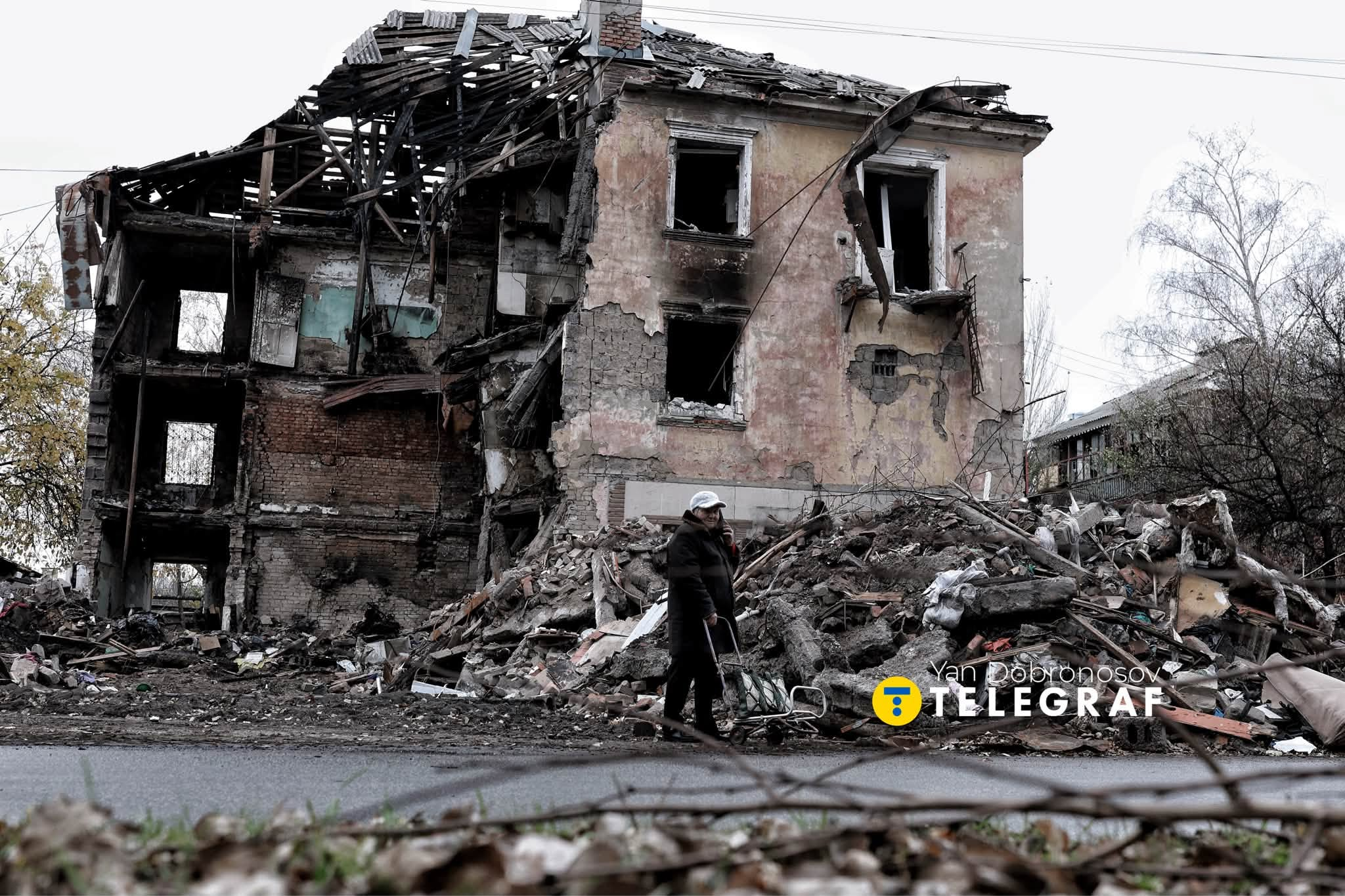
Dobronosov said he often worked without body armour or a helmet and gave up “PRESS” badges long ago. However, intense shelling and the threat of shrapnel injury has made protective equipment a necessity.
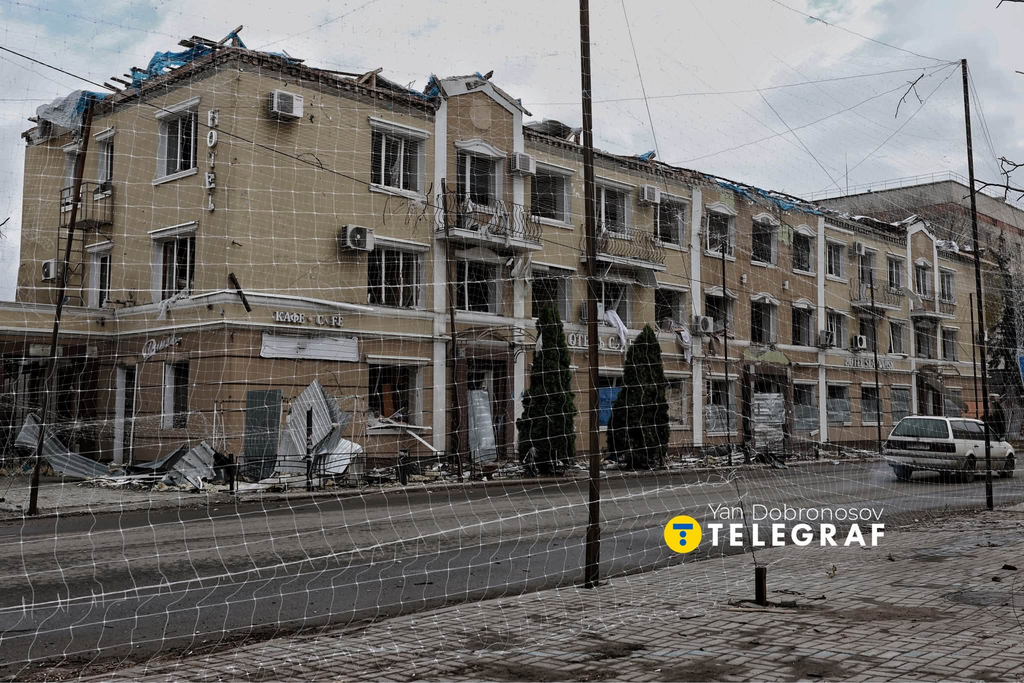
The photographer remarked that the widespread use of drones in modern warfare meant wearing conspicuous gear added to the risk, noting that Russian drones reacted instantly to anything resembling armour.
“In modern war, things have changed a bit. A drone flies by, and it sees a person wearing body armour and a helmet… I mean that it’s not always necessary at all. And as for all those ‘PRESS’ things, I hid them away long ago,” he explained.
READ MORE:
The photographer travels around the frontline area by bus and in passing cars, so carrying heavy equipment is not always convenient.
He usually leaves his body armour and helmet at his Kramatorsk “headquarters”, a flat where his relatives used to live and where he himself spent time as a child.
Dobronosov said that he hopes each time that the building is still there and that the equipment he left there is still in place.
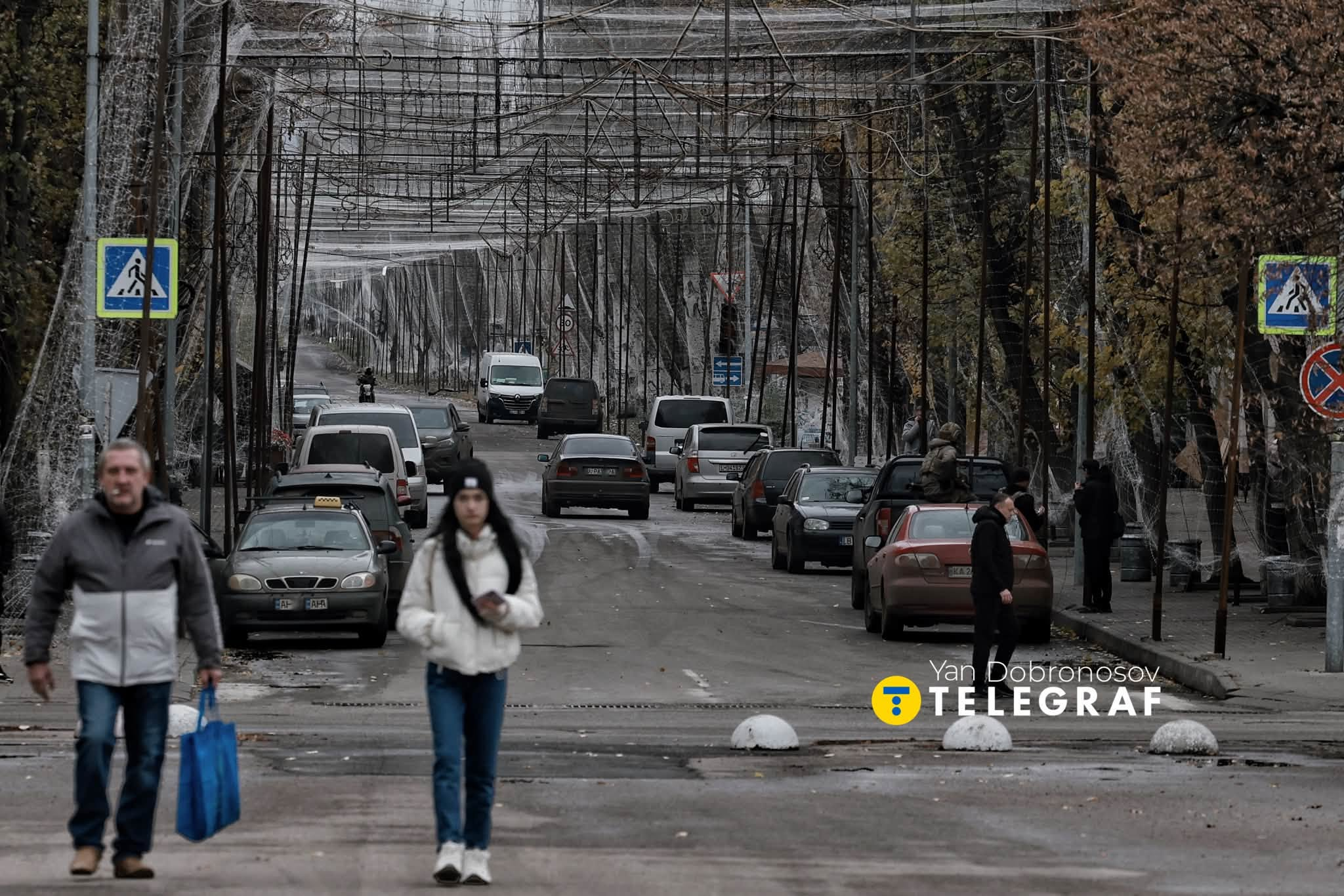
The photographer also spoke about a change in the mood among locals, saying that whereas earlier some people would flat-out refuse to leave, on his latest trip he met no one who planned to stay.
“When you talk to people, I’ll tell you, the mood is that anyone I spoke to wants to leave already. That is, while a month or two ago I would speak to people and some would say, ‘I don’t plan to leave,’ now I noticed that I didn’t meet a single person who wasn’t planning to leave,” Yan Dobronosov remarked.
The journalist said that moving around Kramatorsk and Sloviansk was extremely risky now. There are many freshly damaged cars along the roads, the result of drones hunting vehicles down.
Furthermore, power shortages force people to charge their gadgets at surviving spots equipped with generators, and the influence of Russian propaganda along with the recent corruption scandals has prompted some locals to blame the Ukrainian authorities for everything.
In September 2026, a Russian drone attacked a vehicle used by two foreign journalists, Spanish photographer Diego Herrera and Swedish journalist and writer Mustafa Can, in Sloviansk (Donetsk oblast).
