

Maia Holub, journalist and Institute of Mass Information’s regional representative in Volyn oblast, spoke to IMI reporter Valentyna Troyan about her first-ever experience of evacuating from the Kyiv–Kovel train following Russian air strikes early on 13 September.
The journalist was taking the train No. 097K from Kyiv to Lutsk and woke up at around 5am on Sunday to the sound of gunfire and explosions. Shortly after, passengers were told to leave the train and take cover in a bomb shelter at the Zdolbuniv station (Rivne oblast).
“Today I woke up on the train to the sound of gunfire and explosions all around me. I don’t usually fall asleep on trains, but this time I had. It was dark outside and there were explosions, and then silence. My geolocation wasn’t working, and my signal and internet kept dying too. It took me a moment to figure out which town the train had stopped in. I had a small backpack with me, with a power bank, a torch, a thin laptop, water, a tourniquet, and bandages — I had everything I needed for the trip,” Maia Holub recounted.
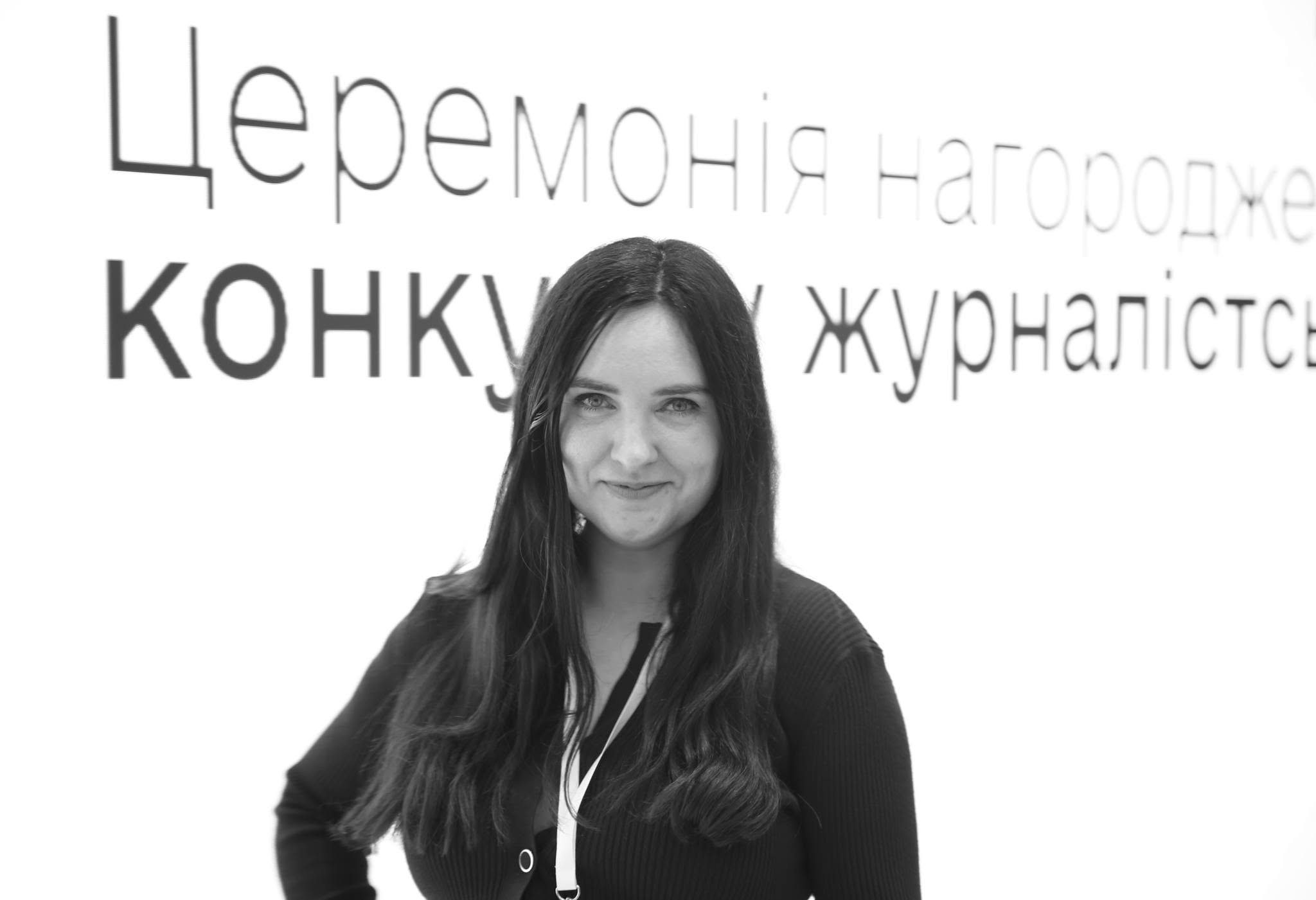
Maia said that as soon as the conductor announced the evacuation, she grabbed her backpack and a blanket and ran quickly to the shelter. It was dark all around, and at first she couldn’t make out where she and the other passengers were.
“I’d thought in advance about what clothes to bring so that I could get off the train quickly if needed and not freeze overnight. I was wearing a warm top, a vest, a jacket, I had trainers on, and most importantly, I wasn’t carrying a suitcase. I only took the essentials with me,” the journalist said.
She noted how important it was to stay composed and not panic in such a situation. A passenger sharing her compartment became very anxious after hearing the gunfire and explosions.
“My compartment neighbour panicked and opened the compartment door to look out the windows before the evacuation had even been announced. I told her it would be better not to open the door right now, and she started shouting back at me. After that, I decided not to say anything more to her, since I could see she was stressed. I thought about how easily something could come flying in through a window or an open train door, remembering the previous day’s news about the shelling strike at a passenger train in Lutsk. But I was trying not to dwell on that, or on any other bad things that could happen. Because in situations like that, things can always get worse. But the situation was already not okay, so I just watched and waited to see what would happen next,” the journalist said.
She added that the conductor had told passengers to leave their belongings on the train, since she was going to lock the carriage.
“But my backpack was small, so I took it with me, especially since my tourniquet was in it. I’ve taken first aid classes and I know what to do if anything happens,” Maia Holub said.
According to the journalist, the conductor insisted passengers not take their blankets with them, since they might be left behind in the bomb shelter. But some people did anyway. The journalist took hers too, sat on it in the shelter, and brought it back to the train once the all-clear sounded.
“For some reason I didn’t feel afraid as it was happening. In situations like that, your brain thinks fast, and it’s important to stay focused rather than let your attention scatter. In the shelter, we could hear explosions and gunfire above, on and off, for a while” the journalist said.
She recalled that the panicking passenger had run off the train with nothing at all. After the all-clear, back on the train, she said it would have been better to bring her personal belongings after all, since some passengers went on to order taxis and made their own way home.
“But because of this, the conductor said back on the train that not all passengers had made it back to their seats, and others didn’t know whether someone had failed to exit the shelter in time to get back to the train, or whether people had taken a taxi or a car to wherever they needed to go,” she added.
The journalist had bought her ticket for the train in advance, as it was a planned trip to Kyiv. She had considered returning the ticket for this train, since the day before, on 12 September, a drone had targeted a passenger train in Lutsk.
The train Maia Holub was travelling on was due to arrive in Lutsk at 6:47am. However, it arrived late, after nine in the morning. The journalist stressed that the blame for this lies solely with the Russian army. In Lutsk, the conductor helped passengers get off the train and was friendly throughout.
“I wrote a Facebook post about this because in situations like this it’s important to listen to yourself, to your intuition. It’s important to have the essentials on you, because you never know how long you’ll be sitting in a shelter or whether you’ll manage to get there in time,” she said.