

Kharkiv journalists and media professionals have proven that their work is not limited to newsrooms or studios. They enlisted and are now carrying out assignments in the army using their knowledge and experience in journalism. Nakypilo spoke with three of their colleagues from Kharkiv about how journalism influenced their experience in the army, what has changed in their perception of the war, and whether they plan to go back to reporting.
Anton Kolinko: “I would like to go back to journalism very much”
Luk journalist Anton Kolinko enlisted in October 2024, becoming a soldier in the Khartia Brigade. He says that the decision was not so much a choice as an awareness of inevitability. Anton admits that he had a conscroption backpack packed in advance, because he realised that he would be drafted sooner or later.
“I never actually arrived at the conclusion that I wanted to enlist. It was rather me understanding the inevitability of it: we are fighting a full-scale war, I am draft-eligible, I have constitutional obligations,” he explains.
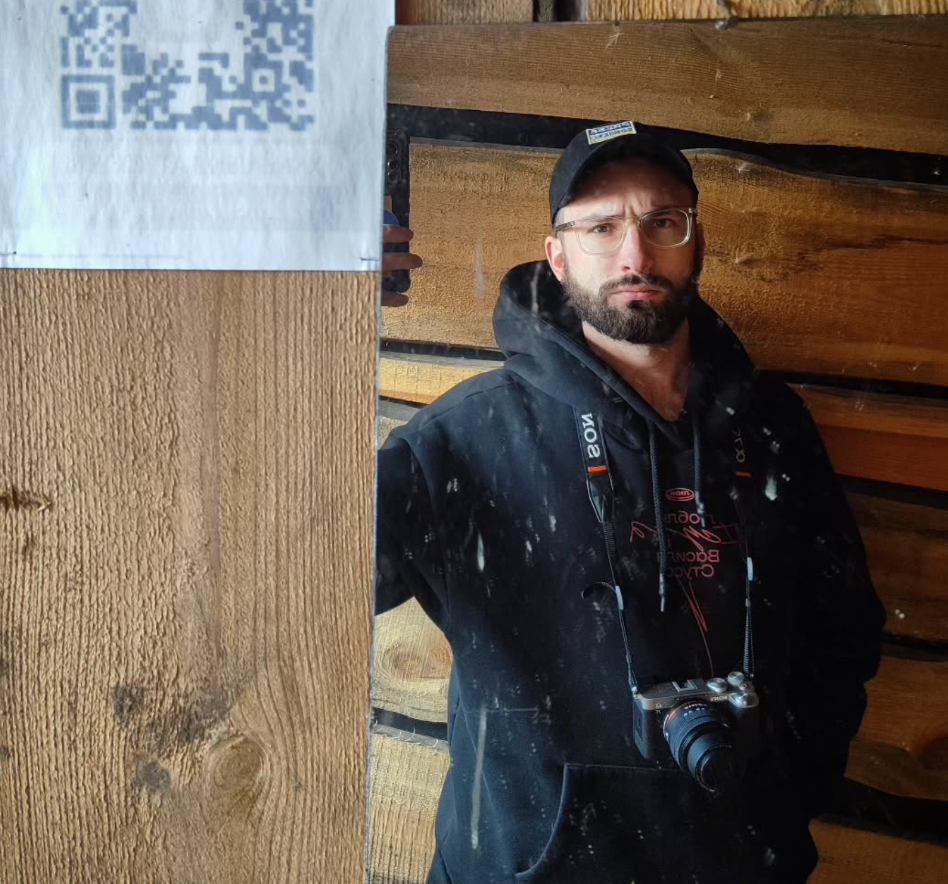
He says serving in the army soon relieved him of some illusions. He got a better understanding of who exactly the army is comprised of and how it works, but he admits: “Of course, there were some illusions that were shattered very quickly.”
Despite everything, Anton dreams of resuming his work as a journalist after Ukraine’s victory.
“I went a long way to becoming a journalist. I have had burnout from working in online marketing for 10 years, but I would like to go back to journalism,” he says.
Kolinko adds that serving even changes your style of talking to people:
“In the army you burn out emotionally very quickly. It’s hard, even if you’re a rear ‘rat’ like me and you work in the headquarters. You become more cynical, ruder, and the way you talk to your loved ones changes.”
He notes that his attitude towards the news has changed as well. Now he only reads war analytics and resources like DeepState.
“I’m a little annoyed by the news noise, more so than when I was a civilian. When I see that some bloggers or news agencies are hyping up topics where it’s not necessary, it makes me feel outright contempt,” he says.
Dmytro Kuzubov: “I don’t see myself anywhere but in journalism”
Dmytro Kuzubov, formerly Luk chief editor and a freelance journalist, now serves in Khartia Brigade. He admits that he thought himself completely unprepared for the army but decided to enlist when the opportunity arose to work in the media sector.
“I always believed that there was no person more unprepared for the army and service than me. It turned out that all this was not easy, but possible. I chose Khartia. This was prompted by good reviews, acquaintances who were already serving in the brigade by that time, and them offering a media-related position,” he says.
Before enlisting, Kuzubov completed two months of basic training and a young fighter course. This, he says, helped him better understand his comrades and speak “the same language” as them. “It was difficult at times, but otherwise I would not have been able to communicate with my comrades,” the journalist says.
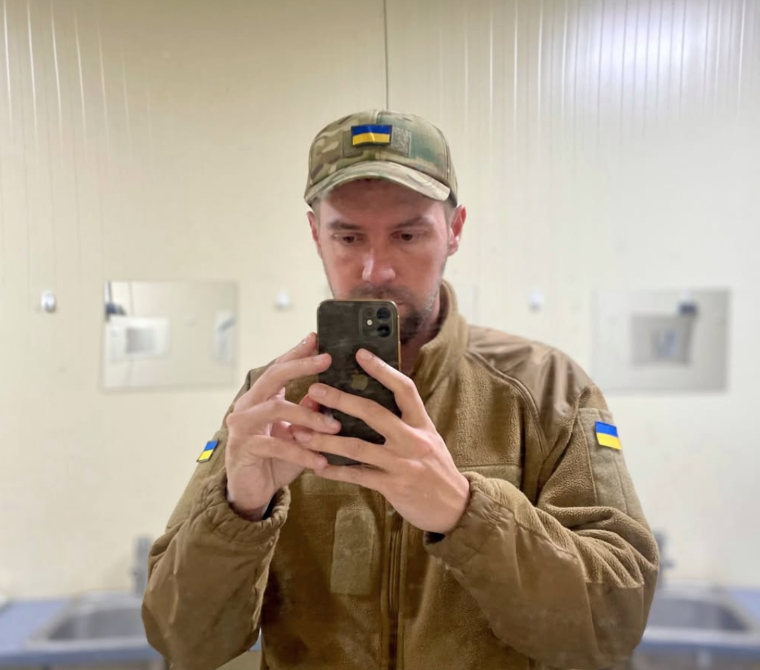
In the army, he writes for the media, communicates with journalists, and collects an archive.
“My experience as a journalist has definitely come in handy. I already had editors’ contacts and experience working with them, so I can communicate with them on topics and news stories about our unit,” says Kuzubov.
He compares this work to that of a fixer.
“You are like an outside observer: you arrange the logistics, monitor timing and safety. And for the first time you realise that safety is more important than creativity.”
He mentions working with The New York Times‘ David Guttenfelder.
“Him and I visited an American volunteer from our brigade for two days in a row. David took a lot of pictures, carefully shooting every step. In Ukrainian media, you can not work on one news story for so long,” shares Kuzubov.
The service, he says, has changed his perception of war.
“A year ago I was doing a news story about Khartia, and now I have become part of the brigade. It changes the perspective: you delve into the processes, you see them from the inside. But now you are a servicemember, so not everything can be disclosed,” the media worker notes.
Returning to journalism is a non-question to him.
“I definitely plan to. Moreover, I don’t see myself in any other field. Even if the war ends, I will hardly be able write about anything other than it,” he says.
Kyrylo Lukash: “I never left the profession”
Kyrylo Lukash is a culture manager, journalist, actor, and host at the radio station Nakypilo. In 2025, he joined the National Guard, where he works as a communications manager for the Culture Forces.
He says that he has not actually left the profession, as his curreny work is directly related to media and communications.
“Journalistic experience helps directly, as we cover events in the army and develop communication campaigns for the defense forces,” Lukash explains.
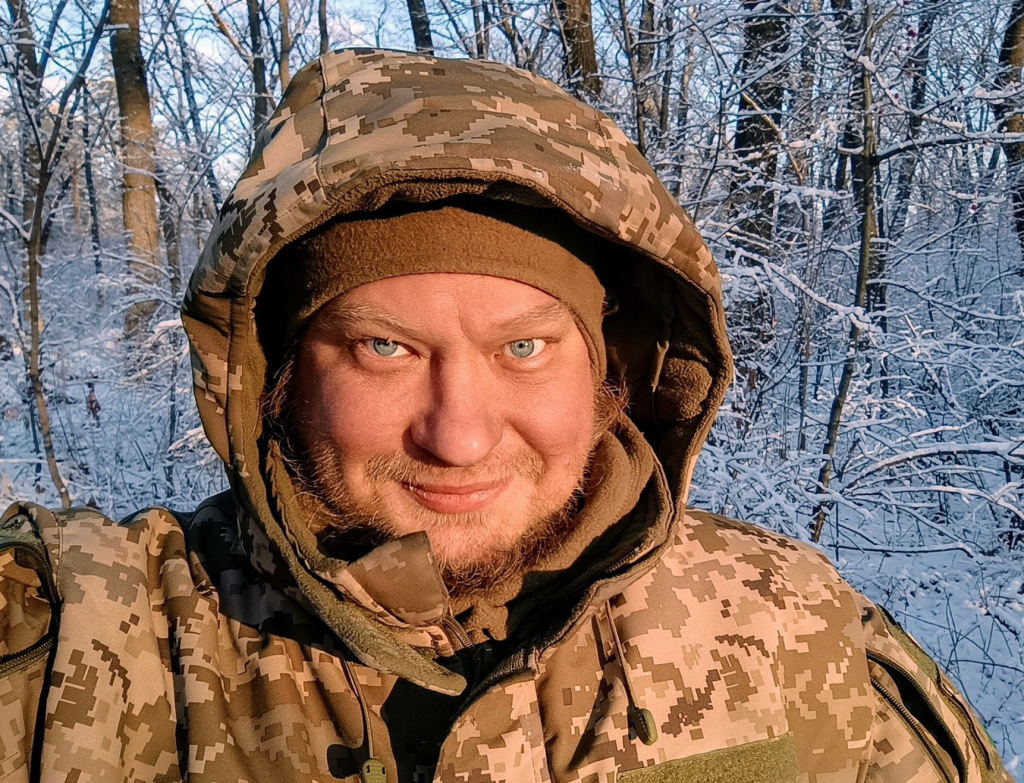
According to him, the army is in dire need of professional communicators:
“In the army, the unobvious is absolute: the realisation that there is a great lack of communicators, journalists, professionals who would deal with press offices even at the level of brigades,” said Kyrylo Lukash.
He is convinced that it is important to convey to society not only the heroism, but also the routine of war.
“War from within the army is actually routine. The realisation that it is routine, not a never-ending heroic deed, but daily work. 90% of war is exactly that,” he says.
Despite the change in circumstances, he does not feel that he has left journalism.
“I never left the profession, by and large. What changed was just the overall tone and topics of my work. I really miss the radio broadcasts and podcasts. But this experience in the army will influence my approach to work. It will help me speak louder about the shaping of a military culture and the militarization of society,” Kyrylo concluded.