French photographer and journalist Patrick Wack visited the Tuzly Lagoons National Nature Park in Odesa oblast in September 2026 to gather material on the impact the war has had on dolphins, birds, and the Black Sea ecosystem, biologist and the park’s chief researcher Ivan Rusiev reported to the Institute of Mass Information’s regional representative in Odesa oblast.
“Patrick had read about the war’s impact on dolphins in Western media and it sparked his interest in the subject. He found my contact details and got in touch with me. He took pictures of birds and the carcasses of dead dolphins,” Rusiev said.
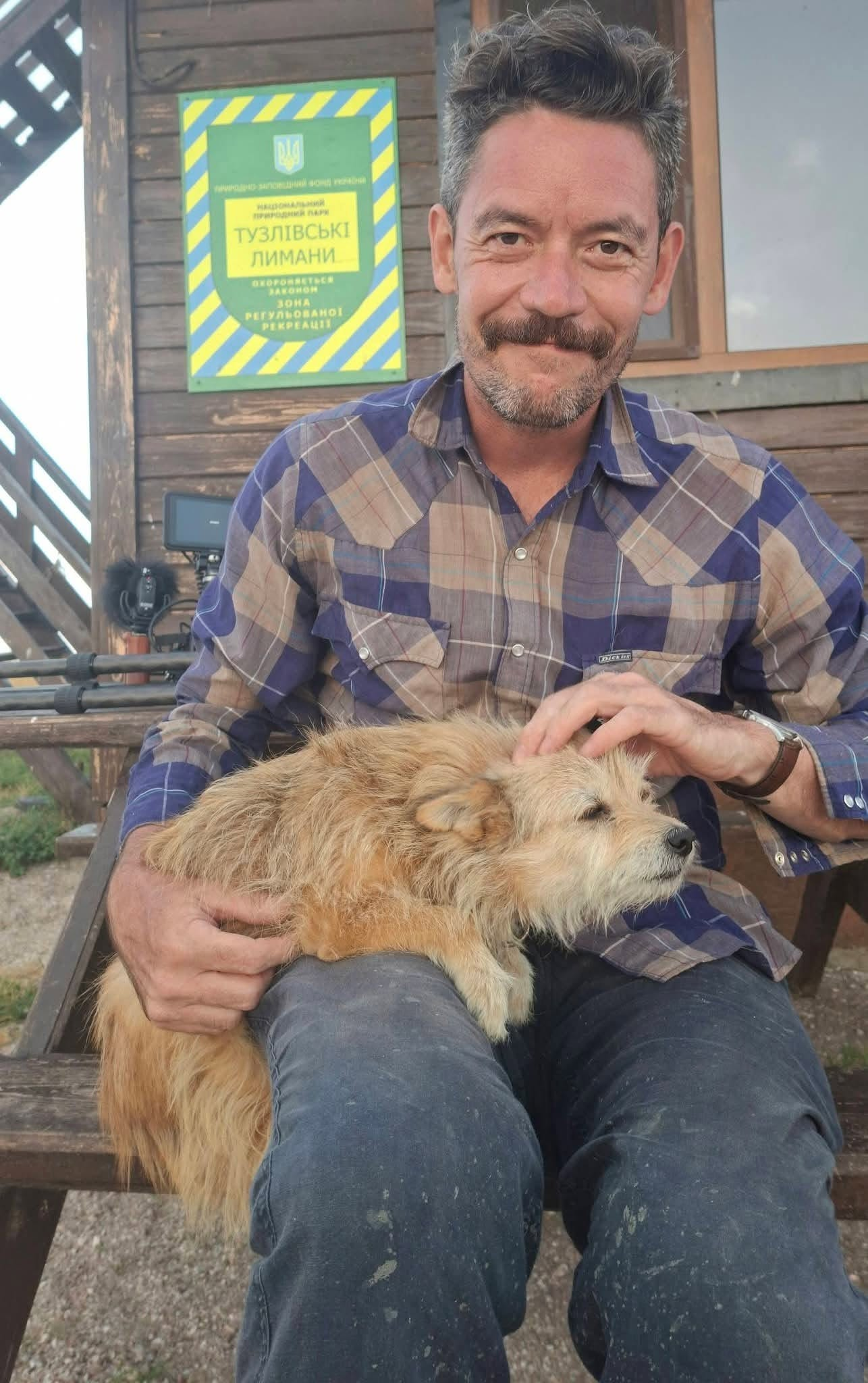
During the visit, the photographer learned about the impact Russia’s aggression has had on Black Sea cetaceans, flamingos, and other wildlife, Ivan Rusiev reported in a Facebook post.
Wack was also given information about the pollution of the Black Sea with fuel oil, petroleum, and vegetable oil, and how it affected seahorses, molluscs, birds, and cetaceans. Rusiev said that the vegetable oil that had previously leaked from storage tanks at the Chornomorsk port has resurfaced in isolated pools on the park’s sandy spit.
The ournalist’s work also involved searching for and photographing the carcasses of dead dolphins and birds. Wack observed the capture and ringing of migrating birds.
“I believe we’re getting information about Russia’s crimes across to people abroad,” Ivan Rusiev told IMI.
READ MORE
Patrick Wack is a French documentary photographer and journalist who has, since 2019, been working on the project Azov Horizons, documenting the Sea of Azov coastline before and after the start of the full-scale Russian invasion. In 2025, the project was featured in the official programme of the Rencontres d’Arles international photography festival and released as a book.
In December 2025, Suspilne Kherson presented the environmental investigation “Kherson. Breathe Slowly”.