Having a clear view of your motive, not being a burden to the soldiers, and not risking other people’s lives for a scoop. These are just a few points that media workers should remember while reporting from the front line, Inter TV correspondent Stas Kukharchuk said during a class organised by the Institute of Mass Information’s regional hub Mediabaza Cherkasy.
The class also discussed how to prepare for trips to the combat zone, interact with the army, and what usually remains off-camera.
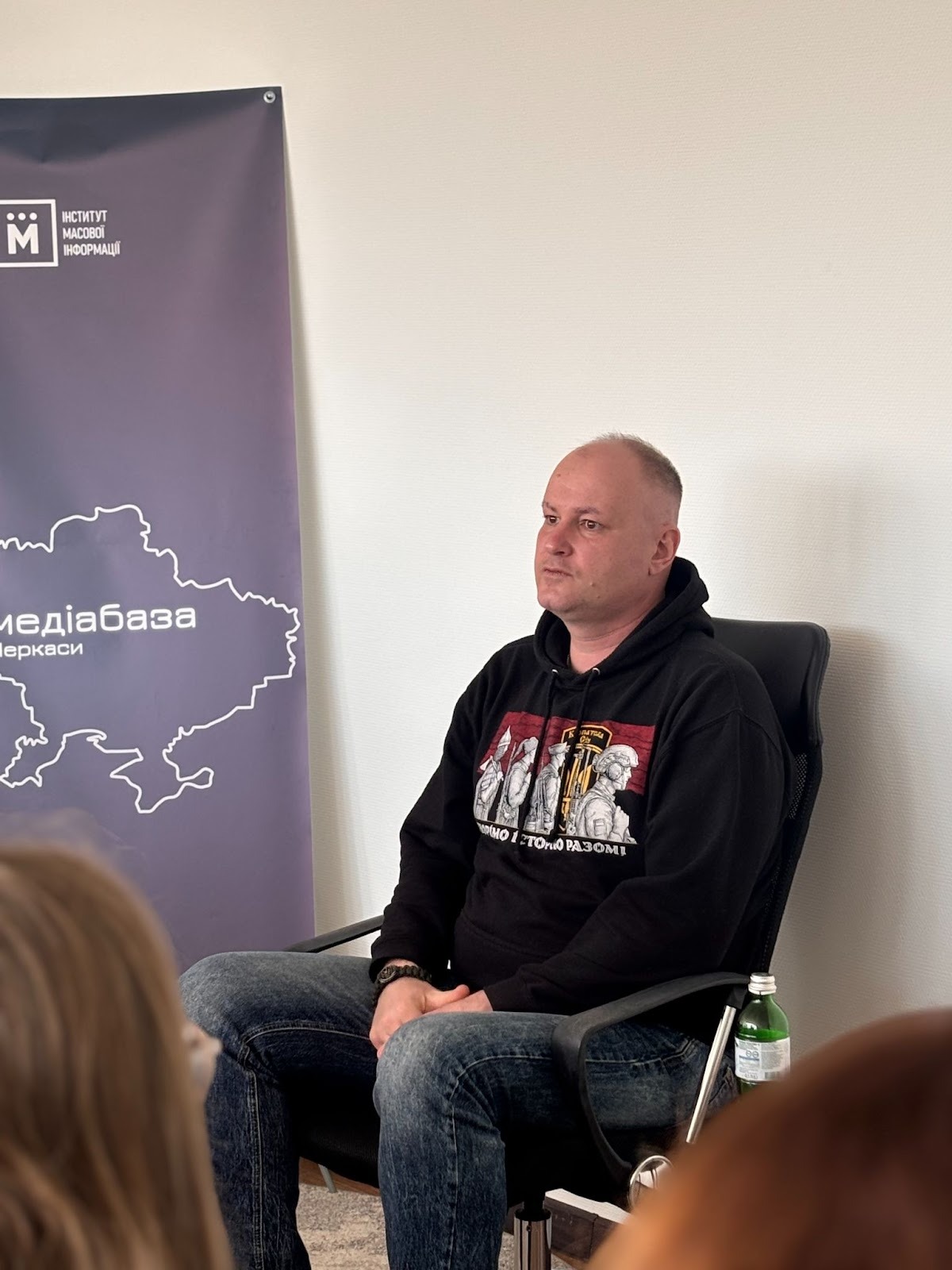
Inter TV correspondent Stas Kukharchuk. Photo by Anastasia Neboha
The very first thing a media professional should do before heading to the front line is to answer the key question for themselves: why are they doing this, the speaker said.
“If you just want to be popular, it may not be worth it. Because this job is about something else: showing the truth and helping your country,” said Stas Kukharchuk.
Meeting with the war correspondent in Mediabaza Cherkasy. Photo by Anastasia Neboha
Preparing for the trip
Stas Kukharchuk listed the following practical steps one should take to access the frontline:
- getting accredited and passing basic training, including first aid;
- taking on an editorial assignment;
- obtaining safety equipment;
- establishing contact with the soldiers and press officers.
Kukharchuk stressed that the last point is an important one. After all, you can not work on the frontline without approval from the military. And communication usually takes place through press officers or unit commanders.
“Without approval, you won’t be going anywhere. But after that, everything depends on trust,” Stas Kukharchuk said. “Until they know you and understand what kind of person you are, they won’t trust you. It’s a process: first getting to know one another, then developing trust, and only then the real work begins,” the media professional explained.
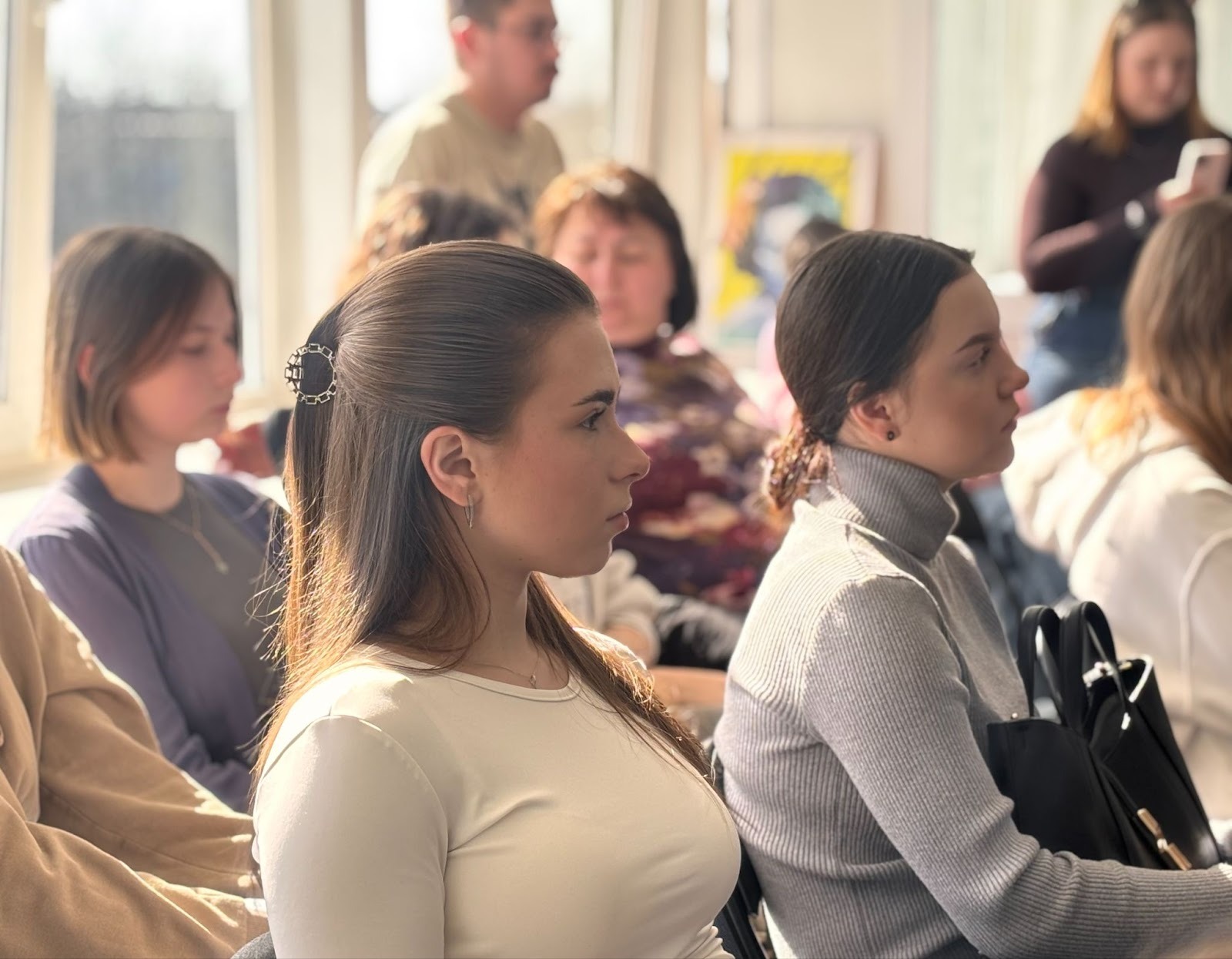
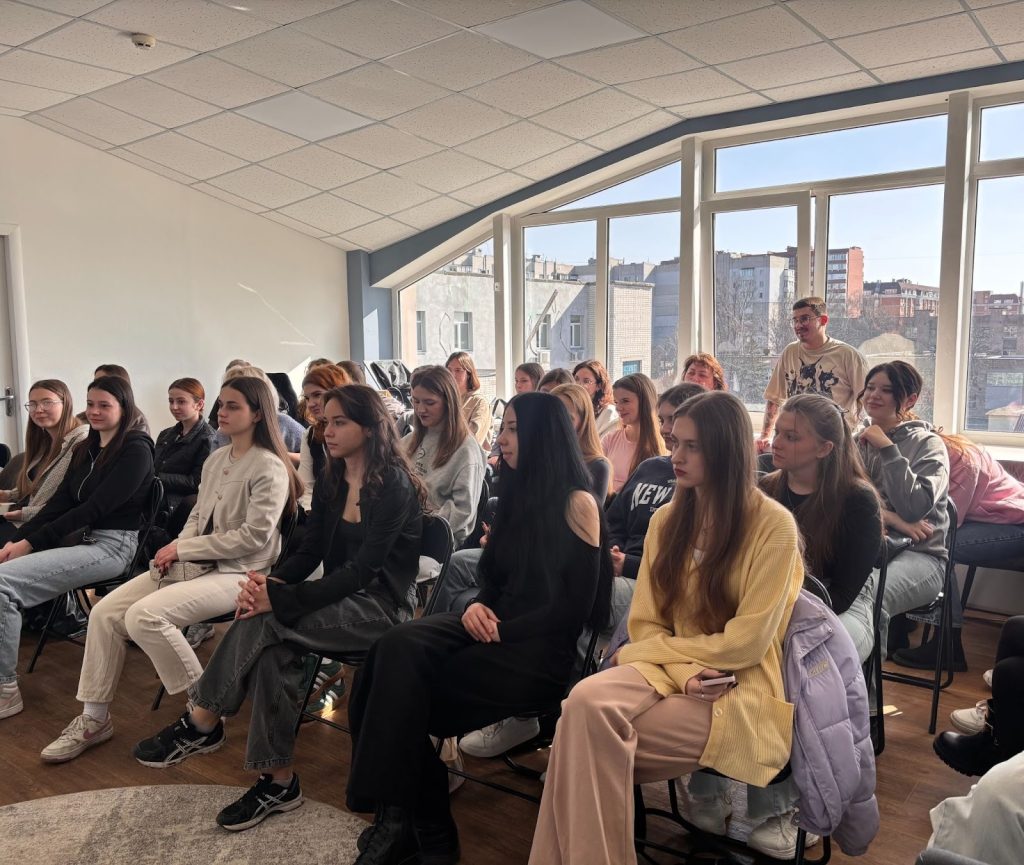
Participants in the Mediabaza Cherkasy meeting. Photo by Anastasia Neboha
“The war in Ukraine has changed the reporter’s role”
When preparing for a reproting trip to the front line, one should pay special attention to safety: make sure they have a helmet, a bulletproof vest, a first aid kit, take first aid courses, know the regulations for frontline reporting.
Stas Kukharchuk stressed that the war in Ukraine has changed the reporter’s role. While in the classic model the journalist is an observer, in a full-scale war this boundary is erased. In reality, the journalist must be ready not only to record events as they unfold, but also, if possible, to act.
“If someone is wounded nearby, what do you do? Are you taking a picture of them or saving them? What should you do first? If there is a chance to save someone’s life, you simply take it and save them,” Kukharchuk said.
Ethical dilemmas are an urgent issue when working on the front line. For instance, when it comes to the balance between taking a “powerful image” and being humane. Often, much of a war correspondent’s work does not make it to the air. After all, media professionals must apply self-censorship: so as not to reveal unit deployment locations or other critical information, etc.
“You can’t risk someone else’s life for the sake of a shot. This is a line that is very difficult not to cross, but it must not be crossed,” Kukharchuk said.
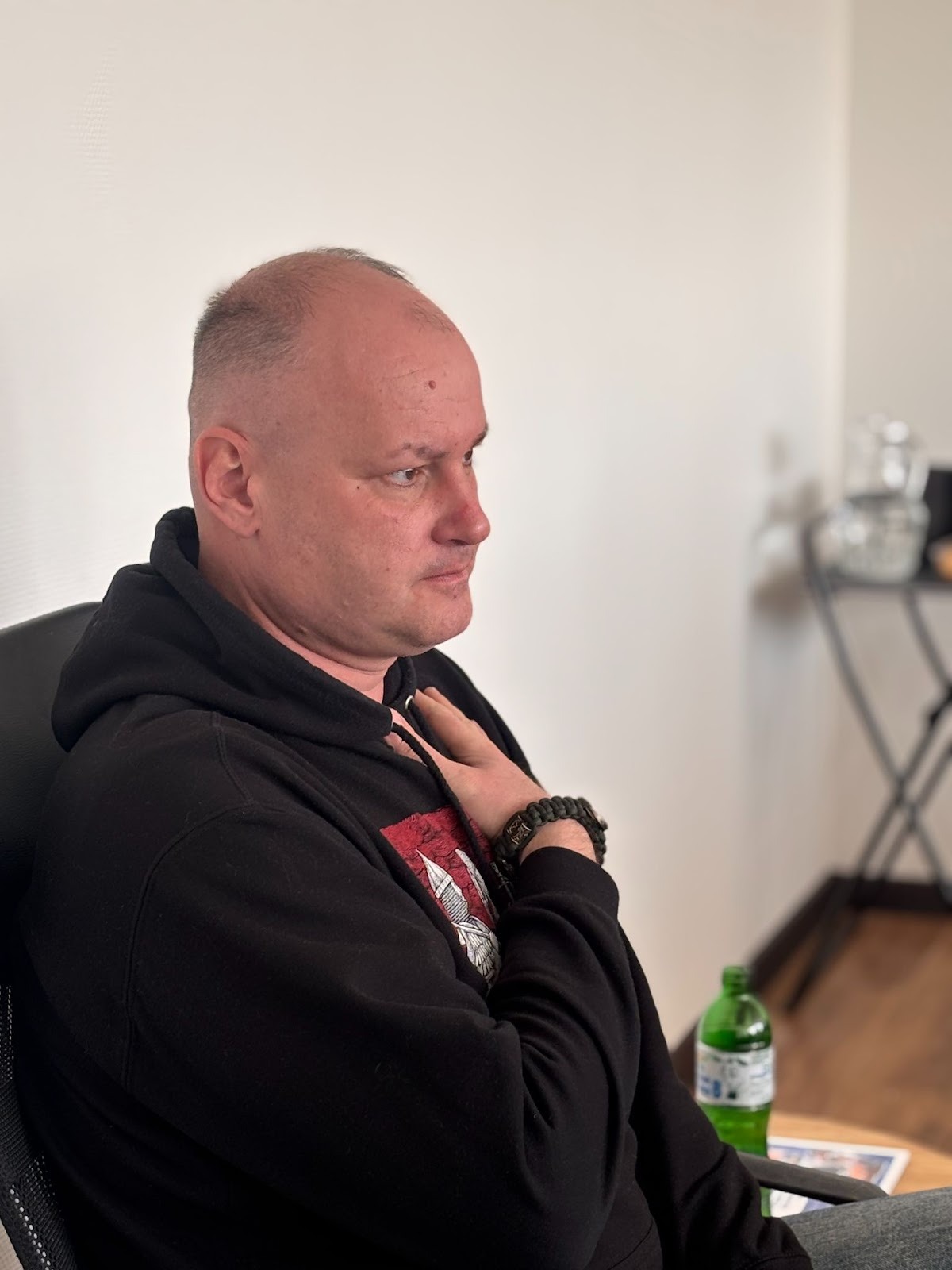
Inter TV correspondent Stas Kukharchuk. Photo by Anastasia Neboha
“If we stop doing this job, the war in Ukraine will be forgotten“
Still, Kukharchuk emphasised: the work of reporters remains crucial today. Even despite people growing tired of war-related content.
“Every photo, every news story about the war, about what is happening out there, affects society, and not only in Ukraine. It reminds the world about us. If we stop doing this job, the war in Ukraine will be forgotten. Then, an information vacuum will emerge. But there are no vacuums in nature, so the enemy’s narratives will fill it. That is why this job is important,” the media professional concluded.
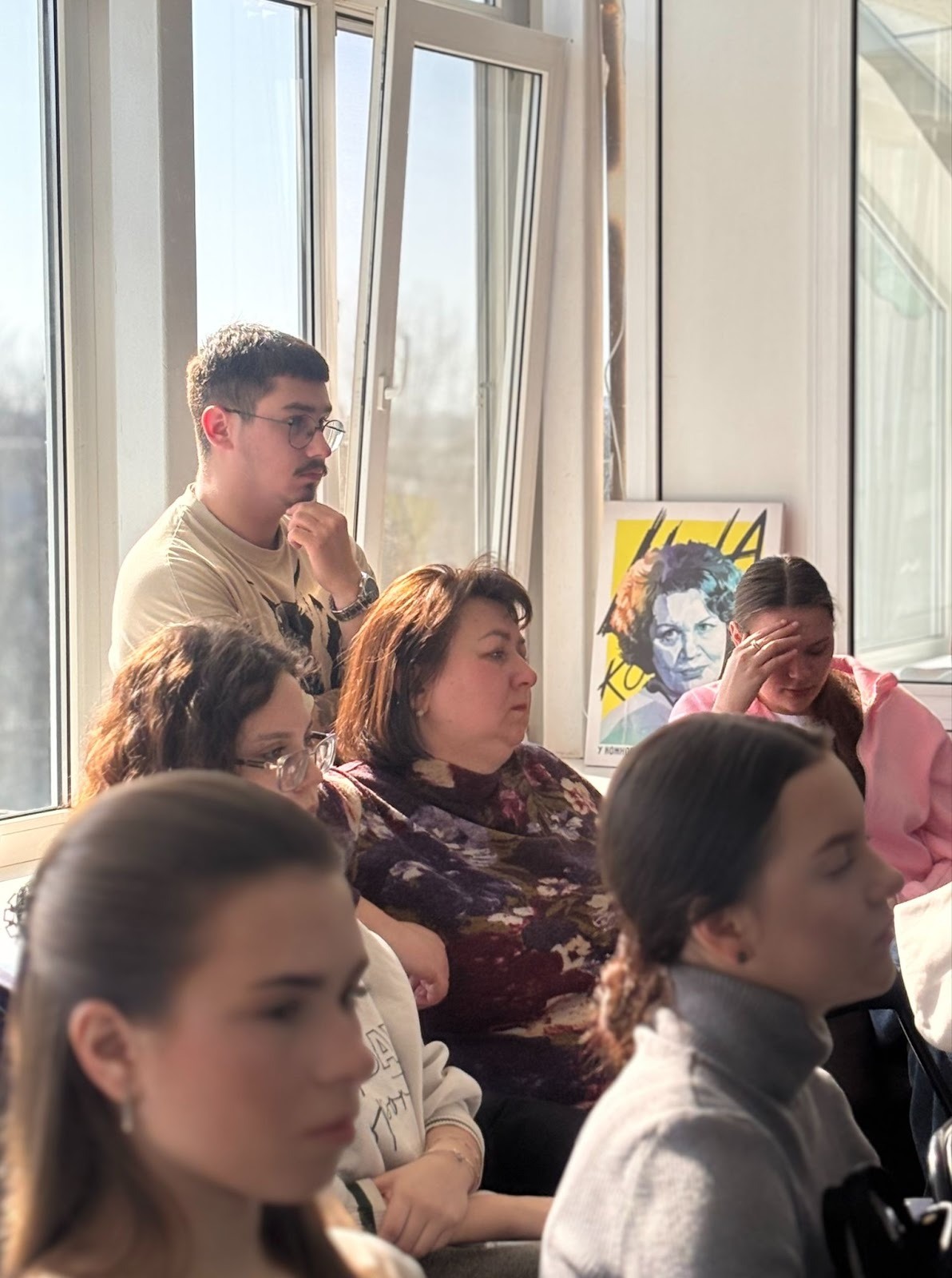
Participants in the meeting with the war correspondent in Mediabaza Cherkasy. Photo by Anastasia Neboha
Stas Kukharchuk’s advice was helpful to the media workers of Cherkasy, and some of his points sparked discussion. 18000 journalist Denys Nepohodyev said that thanks to the meeting, he was able to learn not just the important aspects of frontline reporting, but also about the “backstage” processes.
“I often watch war reporters’ videos from the front areas, and here I had the opportunity to listen, to talk with a person who is doing this professionally, in real life. Stas Kukharchuk is very cool and a great example both as a media professional and simply as a person who loves his country. It was a class that I definitely do not regret spending my time on,” the journalist shared.
Anastasia Neboha, Mediabaza Cherkasy SMM