

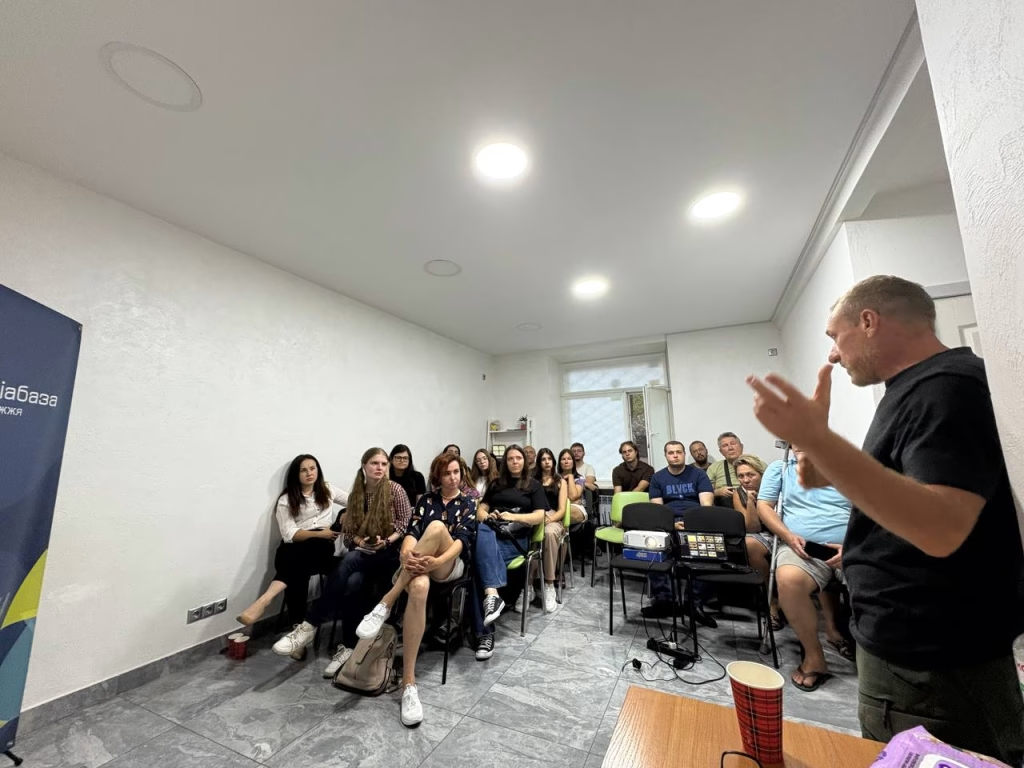
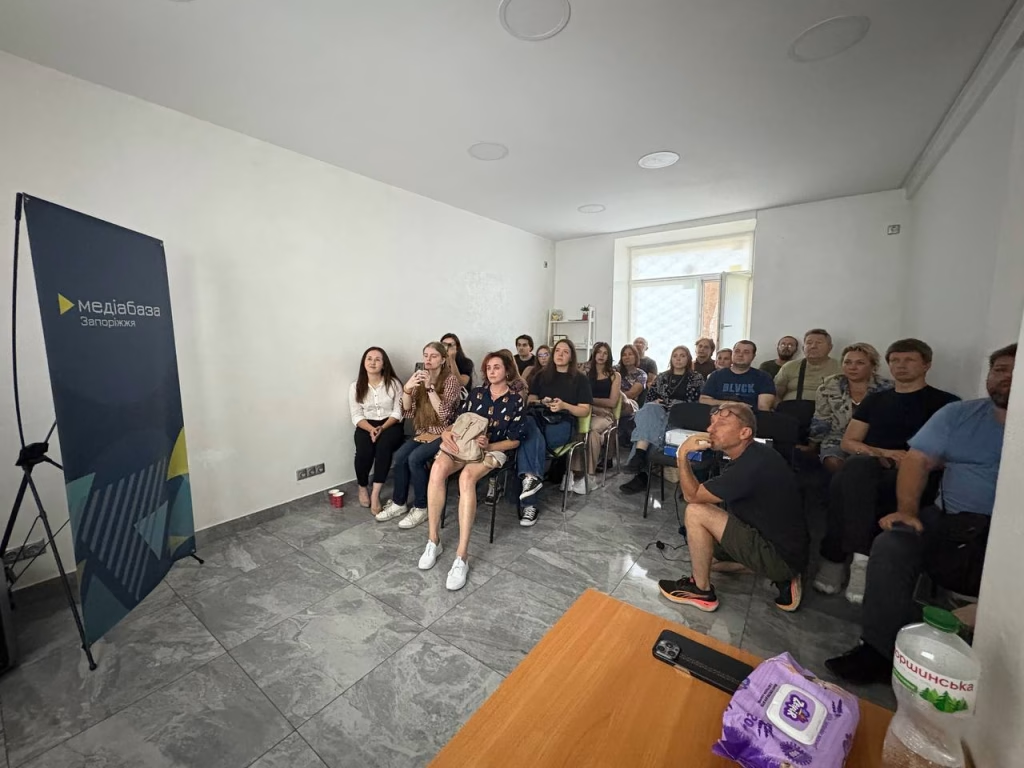
Photo correspondent Dmytro Smolyenko, who documents Russia’s war on Ukraine, gave a class on making high quality photo reports and discussed what it costs at the Institute of Mass Information’s Media Hub Zaporizhzhia. Here are some of his tips.
1. Reporting is about people, not equipment or “pretty pictures”. When fields are burning nearby or there is battered military equipment around, the real value always lies with people, their emotions and decisions. A photographer should search for the human in war.
2. Sometimes it is better not to take pictures purposefully but simply to live the moment. A photographer should be able to stop and not make a “shot” out of every situation. Sometimes you need to take a breath and just enjoy the moment, and sometimes you need to realise and accept that a shot is not worth your safety or attention.
3. A camera is both a tool and a protective barrier. In moments of fear, despair, pain or shame it is easier to hide behind a camera. For many photojournalists, a camera is not only a tool but also a kind of psychological shield. This is why sometimes photojournalists only realise the full range of emotions and pain when selecting the photos.
4. Do not get too close to the people featured in your reports. It is an extremely difficult experience to talk to a servicemember and bond with them only to learn about their death a week later.
“I advise you against befriending your subjects. It will hurt when they die,” says Dmytro.
5. Ethical dilemmas are inevitable. You should photograph everything, but it up to the editors or your self-censorship what to publish. A photographer often captures tragic scenes, such as the aftermath of shelling strikes, people’s injuries or deaths, but the decision on whether or not to show these to the whole world is made by the agency.
This relieves some of the moral burden on the photographer: “We are all living people, someone’s family. I would always ask myself: am I prepared to be in the shoes of this person in the frame, helpless? And I would tell myself, yes, I am prepared. I have also imagined my wife. Maybe I would even take a photo of her. Because here, you need to shoot first — it’s not a whim, it’s my job, it’s important here and now.”
6. A journalist’s safety on reporting trips is above all: everyone is responsible for themselves. In the “gray zone” even the soldiers are taking risks by bringing a photographer with them. You are a liability not only for yourself, but also for those around you.
“No one is responsible for you. If you decide to go, then you are responsible for yourself,” emphasizes Dmytro Smolyenko.
7. One good shot can replace an entire report. For instance, icons in the hands of a priest as he carries them out of a church that has been destroyed by the enemy. Or a close-up portrait of a sad-eyed soldier who says that he sacrificed attending his brother’s funeral for his army duty: these shots tell a story in themselves.
“You arrive, take one photo, that’s it, assignment done,” says Dmytro.
8. Experience is more important than technique. The right decisions come automatically when you shoot and analyse a lot. The camera is just a tool, what matters is your own perspective and experience: “Don’t be afraid if something doesn’t work out or if you didn’t have time to shoot something. Every mistake is valuable experience.”
Elmira Shahabudtdynova, Mediabaza Zaporizhzhia assistant coordinator