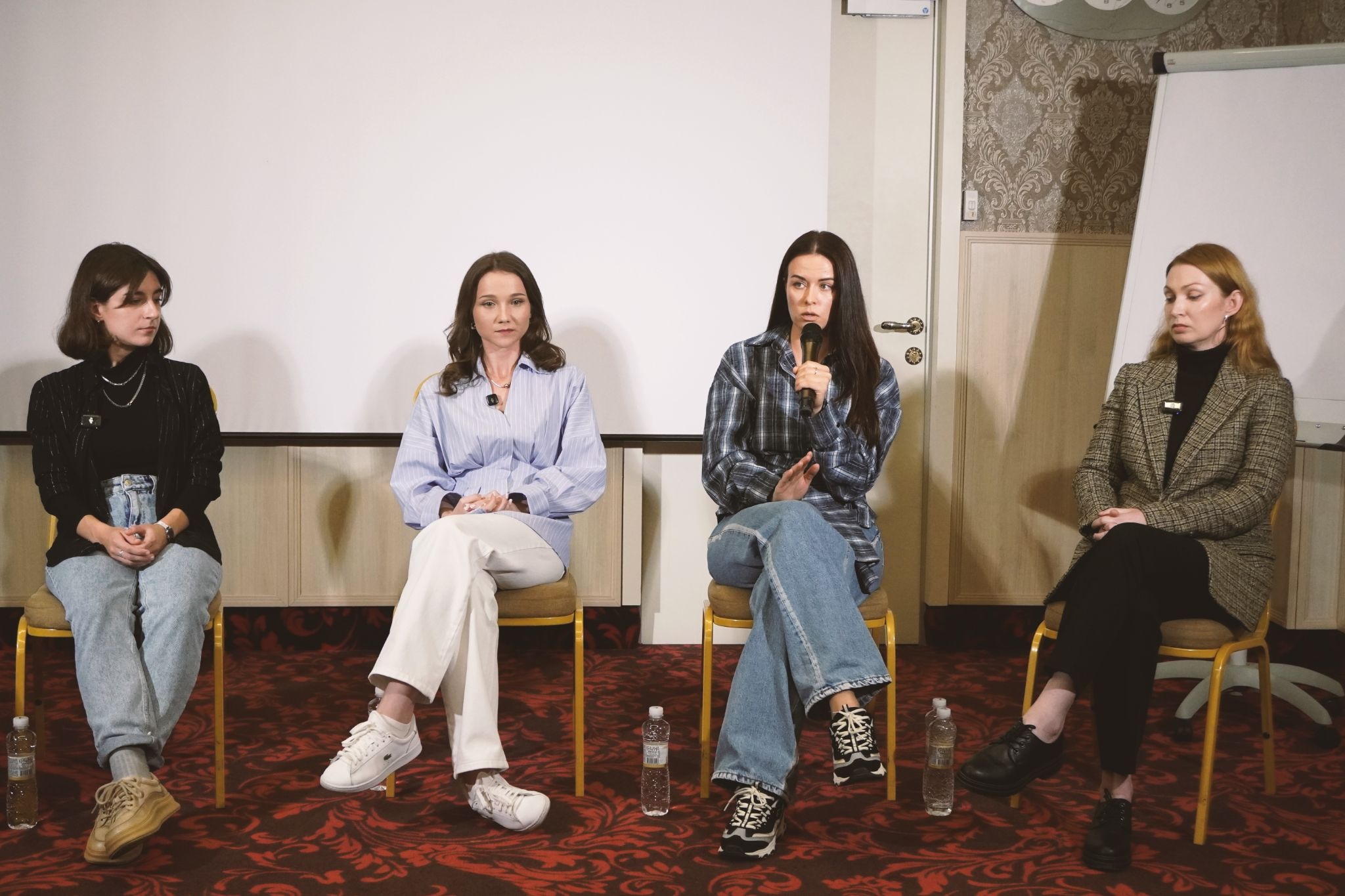

Journalists with Nakypilo and Gwara Media faced obstruction at least least three times while covering the aftermath of three Russian strikes in the city on 14–15 June, the journalists reported to the Institute of Mass Information’s regional representative Yulia Napolska.
The incidents were recorded at two strike sites: the Kharkiv Art Museum and the Kharkiv Zoo.
On June 14, Russian troops targeted the Kyivskyi and Kholodnohirskyi districts, damaging the Kharkiv Art Museum downtown.
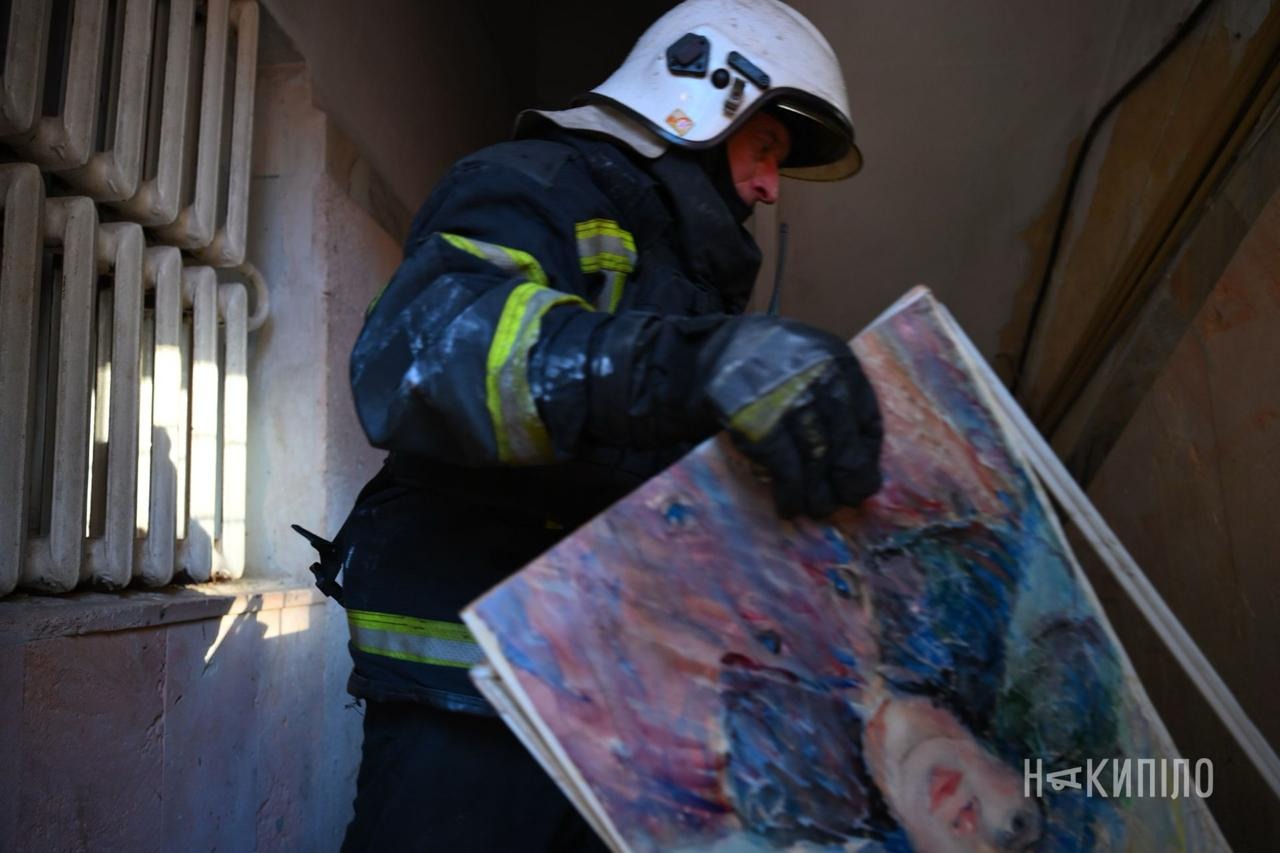
Nakypilo cameraman Ihor Leptuha said that upon arriving on site, they encountered a person in uniform who barred him and another journalist from entering the location or filming. The journalists were verbally forbidden from filming again when the evacuation of paintings began, being told that they were interfering with the effort.
The journalists faced restrictions again the following day, during a press conference near the museum. Nakypilo reporter Alisa Zhynkina says that a security guard claimed that entering the museum without the director present was prohibited, as was filming. She added that the volunteers on site were very aggressive.
“Then the director came and said that she had not been notified that journalists would be there, so she could not let them in. The conversation lasted about 15 minutes. Then she told her own version of events and kept repeating that she would not let them upstairs. In the end, we managed to get her to allow journalists in in groups of three, accompanied by museum staff. The director constantly expressed her dissatisfaction with the journalists’ work, saying, ‘There were some journalists here yesterday, I hoped that they would be polite, but looking at you I see that you are not,’” Zhynkina said.
She added that the museum director insisted that each journalist should have made arrangements with her personally, then she would have taken them on a tour. At the same time, the journalist said, the meeting had been officially approved by the Kharkiv OMA, which was why the journalists were there.
Another incident occurred on 15 June, after the Russian strike on the Kharkiv Zoo. Journalists arrived at the scene but were not allowed to film.
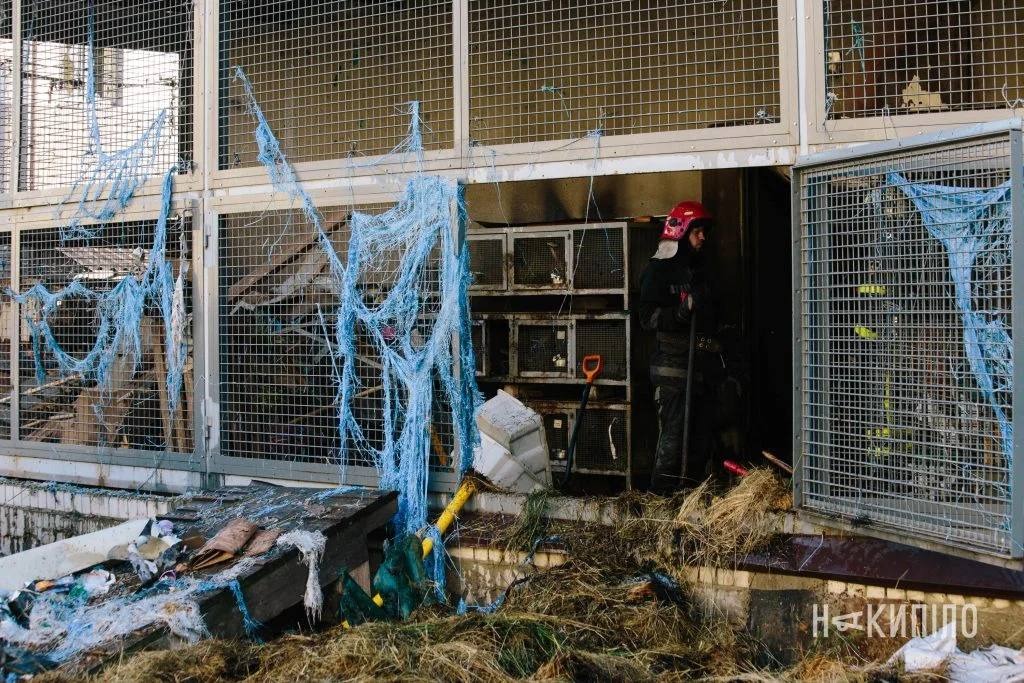
“Yet again, people at a strike site did not let us in, animal caretakers, as I understand it. They did not touch me, but they grabbed Sofia Bobok (a Kharkiv-based journalist) and a Suspilne Kharkiv journalist by the hands. Every time it’s employees who aren’t authorised to make decisions who are shouting at journalists and telling them they should do something. Classic,” said Nakypilo correspondent Pavlo Pakhomenko.
He added that this is not the first time that they have faced such difficulties, but the fact that it was a municipal institution was particularly concerning.
Ihor Leptuha says even though the journalists were eventually allowed into the zoo, they were asked to leave again some time later.
He said that journalists have been facing access problems at the zoo since the coronavirus pandemic. According to him, there are usually no issues if you are filming on a phone, but the situation was different as they were working at the arrival site. The security guard at the main entrance did not allow the journalists through and said that he did not know whom they should contact to get permission.
The journalists attempted to enter the zoo through another gate, also to no avail: a security guard stopped him again. Leptuha remarked that it had seemed odd to him that reporters with other media outlets had already been working there.
“By the time Yuriy Sydorenko [chief of information and public relations at the Kharkiv City Council] arrived with his journalist pool, we were already inside, filming, but then something happened again and we were asked to leave the zoo,” Leptuha added.
Gwara Media journalist Yelyzaveta Dyachenko reported obstruction as well, saying that only some of the journalists were allowed into the zoo. Asking if she could enter, she was denied, and the door was closed in front of her.
After repeated calls to press offices and personal conversations with Yuriy Sydorenko, the journalists did manage to get to the strike site.
“Sydorenko said that we had five minutes to film and do our job. We started working. There were people nearby who were taking away the animals, they were in ordinary clothes, some were in uniform, but with no identification marks. I heard them being indignant at the presence of journalists and demanding we be taken away. One of them started shouting into a loudspeaker: ‘Everyone who is not working to address the damage, leave the zoo premises.’ They approached us later, pushing us out. Finally, all the journalists left,” Yelyzaveta said.
She added that she had seen Bohdan Hladkykh, director of the Kharkiv City Council’s Emergency Situations Department, near the exit and asked him for a comment, but the official had replied that he would not comment on the situation.
In a comment to IMI, Yuriy Sydorenko admitted that the zoo staff’s behaviour around journalists had been inappropriate. He explained that the restrictions were necessary because they had to minimise the risks due to the threat of a second strike, and promised to take it up with the zoo workers.
“In normal scenarios, we try to help journalists and give everyone a chance to take pictures without time limits. So we ask for understanding of the situation that occurred today. As for the communication with the zoo security guards, we will talk to them and hope that working on the ground improves,” said Sydorenko.
The IMI representative also reached out to the Kharkiv OMA chief of strategic communications, Iryna Shcherbakova, for comment. She stressed that the administration advocated open dialogue, constructive cooperation, and equal access to socially important information for all media representatives in compliance with the law and established security requirements.
“However, no hard work, especially in wartime, is immune to individual misunderstandings or miscommunication. Such situations are isolated and are most often a consequence of the human factor,” she added.
On 13 January 2026, the security guards at a Nova Post terminal near Kharkiv, which was targeted in a Russian air strike earlier that day, barred journalists with the news outlets Nakypilo and Dumka from entering the site to film the aftermath of the strike.