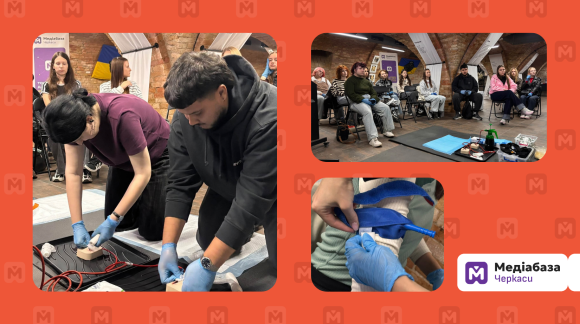

Self-regulation is key for media independence: it is not a binding law, but a conscious and voluntary corporate choice that the media community makes. This mechanism minimises intervention by the state and ensures a critically important increase in trust in Ukrainian media among the audience, said Roman Kifliuk, media expert and the national advisor for Ukraine at International Media Support (IMS), during the online class “Achieving Self-Regulation in Media: the Point, the Structures, and the Mechanisms”, organised by the Institute of Mass Information’s (IMI) regional hub Mediabaza Slovyansk.
Roman Kifliuk’s unique expertise is rooted in many years of experience, including the five-year media self-regulation program by ITP Ukraine (2019–2024), where he went from a participant to a topic mentor and national coordinator.
Self-regulation: from voluntary endeavour to a system
Roman Kifliuk cited an OSCE guidebook which defines self-regulation as “a joint endeavour by media professionals to set up voluntary editorial guidelines and abide by them in a learning process open to the public.”
The class discussed the emergence of most media associations being influenced by one of two factors: a common threat (which is especially relevant for Ukraine) or a common benefit. “It is not an ideal system that makes self-regulation strong, but the strength of your agreements. None of the systems currently existing in the world is perfect, but they are based on traditions, agreements, and an awareness that short-term benefits from violating the rules will lead to the collapse of a system that is stronger than any individual media outlet or journalist in the long term,” the expert explained.
Why self-regulation is necessary for democracy
The class detailed the reasons why media outlets independently set professional ethics standards.
Key benefits for media and society include the following:
- Minimising state intervention. Voluntary adherence to ethics standards offers an alternative to state regulation, allowing editorial freedom and independence to be preserved.
- Settling disputes out of court. Self-regulation mechanisms such as press councils allow to settle conflicts with the audience or persons mentioned in news pieces in a quick and civil manner, without involving the court. In countries with such a system, lawsuits are quite few in number.
- Boosting trust and reputation. The expert stressed that trust is a “key ingredient” of effective communication. Self-regulation increases trust, which directly correlates with media sustainability and monetisation prospects. “Being ethical is profitable, and being unethical is pricy,” he concluded.
- Evidence of accountabilty. Self-regulation shows that the journalist community is ready to be accountable to society for its work.
Historical models and mechanisms
Roman Kifliuk outlined the history of self-regulation in the media, comparing different countries’ approaches.
Citing Sweden, where the press freedom law dates back to 1766, the expert showed that it took more than 40 years to develop the first universal Code of Ethics (1916). This clearly showed that evolution is a gradual process that cannot be “skipped.”
However, the expert added, even though the Nordic countries have achieved similar results, their approaches to creating a self-regulation system can be radically different. For instance, in Denmark the system is enshrined in law, while in Sweden it is based entirely on voluntary agreements and traditions.
Roman Kifliuk described the three mechanisms of media self-regulation most commonly practiced in the world:
- A Code of Ethics: a set of universal rules (report the truth, adhere to facts, respect dignity, correct mistakes).
- A press council: a collegial body that reviews complaints from the audience and issues findings.
- A media Commissioner: a person or department in the editorial office that acts as an intermediary between the media and the audience.
Ukraine’s context: challenges and new opportunities
The class also focused on the challenges faced by Ukrainian media. The expert said that the shaping of the self-regulation system in Ukraine is still in progress, which correlates with the current level of democracy in the country.
In particular, the class participants discussed anonymous Telegram channels, which are not subject to regulation or codes of ethics but are a significant news source for Ukrainians. Roman Kifliuk proposed developing a self-regulation system in order to “attract the audience to the light side” – to high-quality, ethical media.
The expert highly appreciated the introduction of a co-regulation mechanism in Ukraine under the Law “On Media”. Roman Kifliuk believes that the establishment of five co-regulation bodies subordinate to the National Council on Television and Radio Broadcasting to develop codes and rules is “a fairly major innovation in Europe” and is being closely watched by the international journalist community.
by Varvara Verbytskma, Mediabaza Slovyansk communications manager