
The Odesa Oblast Military Administration (OMA) refused to share data about the salary of their chair Oleh Kiper with the Center for Public Investigations (CPI), citing martial law and security, the CPI reports.
Journalists sent the Odesa OMA a query regarding the salaries of the administration’s top officials, in particular chair Oleh Kiper and his deputies. The administration refused to share some of the requested information, saying that disclosing the data on Oleh Kiper’s salary during martial law could pose a threat to national security and “undermine the state body’s authority.”
CPI editor Olesya Lantsman said in a comment to the Institute of Mass Information representative in Odesa oblast that Oleh Kiper’s declaration should be publicly available because he oversees the use of a considerable amount of public resources (humanitarian aid, state procurement, property repairs) in wartime.
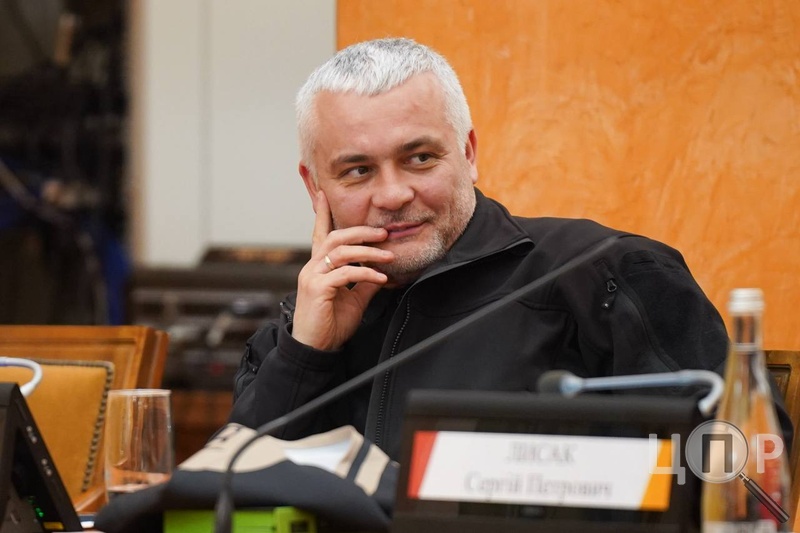
“The amassing of such power and colossal resources entails the highest corruption risks. The public interest is clear: the people of Odesa oblast have the right to know whether Oleh Kiper’s property status aligns with his official income. But there is also a state interest: Ukraine, as a EU candidate state, has undertaken obligations regarding transparency and anti-corruption reforms, and top officials’ declarations being inaccessible directly contradict them,” she said.
According to her, only four OMA chair declarations are missing from the NACP’s public access: those of Odesa, Kharkiv, Kherson, and Chernivtsi oblasts, while the OMA chairs of other frontline regions such as Sumy, Donetsk, Zaporizhzhia, and Mykolaiv, have submitted their declarations openly.
“So citing security risks as grounds for restricting access to the declaration is not a ubiquitous practice, but a selective one. It is telling that there have been repeated corruption allegations about Oleh Kiper. If these allegations are unfounded, an open declaration is the easiest way to refute them. If not, society and the police should have a way of verifying them,” Olesya Lantsman added.
The CPI remarked that the Law “On Access to Public Information” stipulates that data on the salaries of officials receiving funds from the state budget should be accessible. The organisation’s lawyers plan to appeal the Odesa OMA’s refusal in accordance with the procedure prescribed by law.