

Journalists have been finding it much harder to verify information from the occupied territories due to the lack of communication channels, people’s fear of speaking out, and growing risks to sources. The verification methods haven’t changed substantially in and of themselves: journalists continue to rely on people on the ground for checking information, journalist and Institute of Mass Information’s representative in Luhansk oblast Valentyna Troyan said in an interview with Detector Media.
She explained that she was in contact with people living in the occupied territories who were able to verify the information she received. If the data cannot be confirmed, she does not use it in her reporting.
“I have some people I can write to. I mean people who are actually able to check this. I don’t want to offend anyone, but elderly people generally tend to be less comfortable with modern technology than younger ones. So I do have people I can write to and ask, as a way of verifying information. I just do it carefully. If I can’t verify something, I simply don’t report on it,” she said.
Valentyna Troyan said that the biggest problem today isn’t a change in verification methods so much as reporters’ ability to safely reach out to a source. People may be too afraid to reply to journalists or may have no connectivity at all where they live.
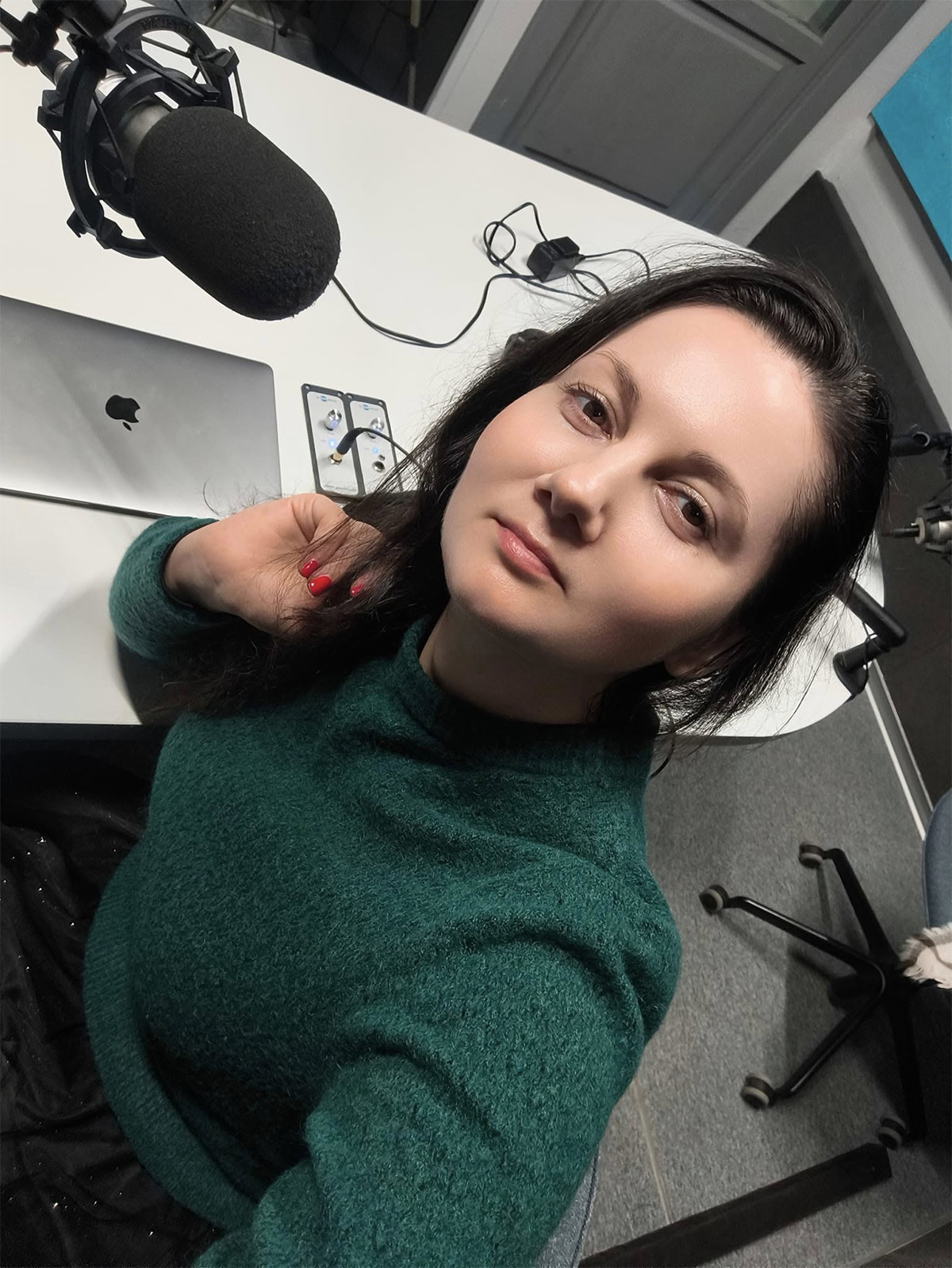
“The problem is that you can’t get hold of a person, either because they’re afraid to reply or because they have no connection. That’s a real, major problem. The verification methods themselves have stayed the same: if you have someone on the ground, you try to get in touch with them. But right now that’s genuinely difficult. And on top of that, it’s far more risky. I’ll put it this way: people have come looking for my sources,” Troyan said in response to a question about the risks faced by the people who help her verify information.
The journalist added that following such an incident, one of her sources rethought their own safety protocols, but stayed in touch.